

South Korea is proposing a fresh round of property tax reforms aimed at cooling a housing market that has repeatedly swung between surges and corrections, particularly in and around Seoul. The policy direction reflects a balancing act: reducing speculative pressure and price momentum while improving affordability for end-users, especially first-time buyers and households facing higher borrowing costs. By recalibrating who pays, how much they pay, and when they pay, the government is signaling that taxation will play a central role alongside supply measures and credit policy.

Global property markets are moving through a period defined by geopolitical uncertainty, shifting trade relationships, and uneven economic growth. Yet demand for prime real estate—assets with top locations, resilient income profiles, and strong tenant quality—remains notably durable. Investors and occupiers are adjusting how they price risk, where they deploy capital, and what “defensive” truly means, while cities and sectors with structural tailwinds continue to attract outsized interest.

London's ultra-prime residential market continues to demonstrate its resilience as a newly completed duplex penthouse at Chelsea Barracks has been listed for £48 million (approximately US$64 million). The prestigious residence, developed by Qatari Diar, the real estate arm of Qatar's sovereign wealth fund, underscores the enduring appeal of luxury properties in the UK capital despite broader economic uncertainties.
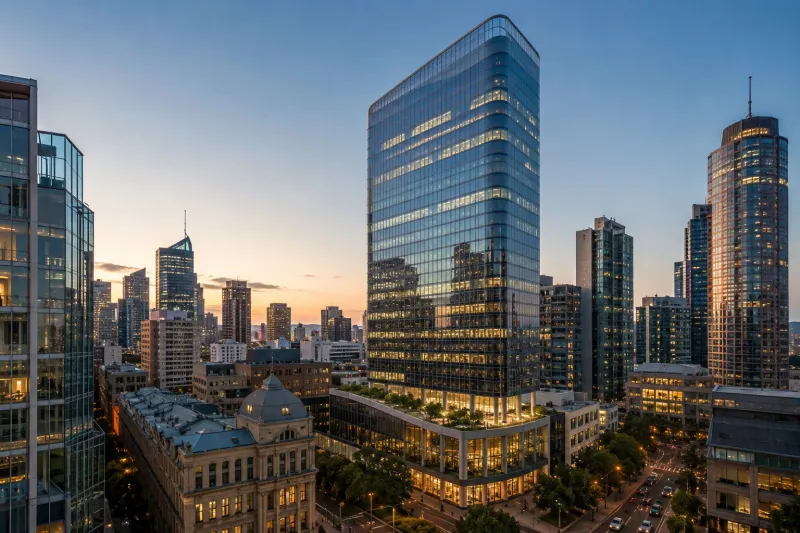
Australian real estate group Dexus has completed the sale of Brisbane's landmark 480 Queen Street office tower to global investment manager Barings in the city's largest-ever office property transaction. The record-breaking deal underscores the resilience of Australia's premium commercial real estate sector and reflects continued institutional demand for high-quality office assets despite ongoing challenges in the broader market.

Mortgage rates in the United States have increased for the second consecutive week, adding further pressure to prospective homebuyers as borrowing costs continue to climb. The latest rise reflects higher U.S. Treasury yields and ongoing geopolitical uncertainty, both of which have contributed to elevated financing costs across the housing market.
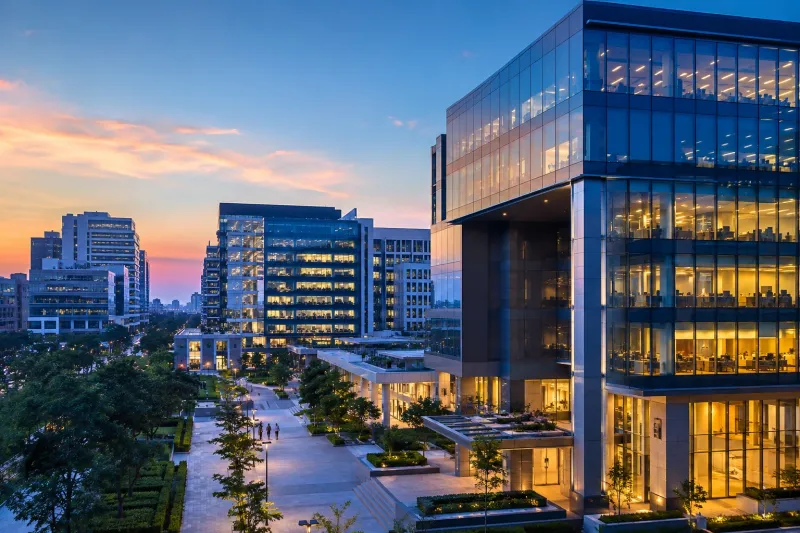
India's commercial real estate sector is experiencing unprecedented growth as multinational corporations continue to expand their Global Capability Centres (GCCs) across the country. Once established primarily as cost-saving back-office operations, GCCs have evolved into strategic innovation hubs responsible for technology development, research and development (R&D), engineering, finance, cybersecurity, and business operations. This transformation is driving record demand for premium office space in India's major business cities.
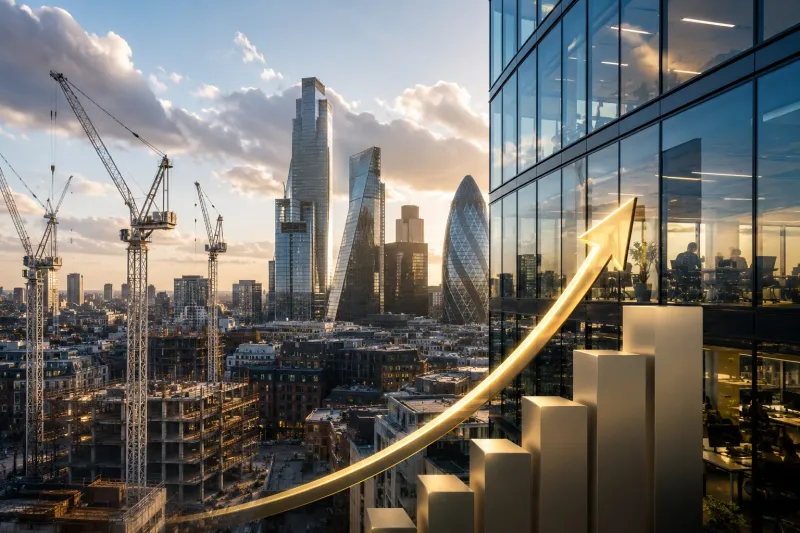
London's office property market is entering a new phase as prime office rents continue to climb despite a significant slowdown in new commercial developments. With construction activity dropping to its lowest level in more than two decades, limited supply and sustained demand for premium workspaces are driving rental prices to record highs across the capital.

South Korea is stepping up efforts to prevent its housing market from overheating after President Lee Jae Myung warned that the country could be heading toward a property bubble reminiscent of Japan's real estate boom and subsequent collapse in the late 20th century. Rising home prices, increasing household debt, and speculative buying have prompted policymakers to closely monitor market conditions and consider additional stabilization measures.

Global real estate investment trusts (REITs) are regaining investor attention as analysts point to compelling valuations and improving market fundamentals. After navigating a challenging period of elevated interest rates and economic uncertainty, REITs are increasingly being viewed as one of the most attractive opportunities in the property investment landscape.