

U.S. existing-home sales have fallen to their lowest level in 14 months, a fresh signal that the long-stretched housing market is losing momentum. While demand is being constrained by affordability pressures and still-elevated mortgage rates, supply is finally rebuilding in many regions. The combination is shifting bargaining power, changing pricing dynamics, and reshaping expectations for buyers, sellers, and policymakers.
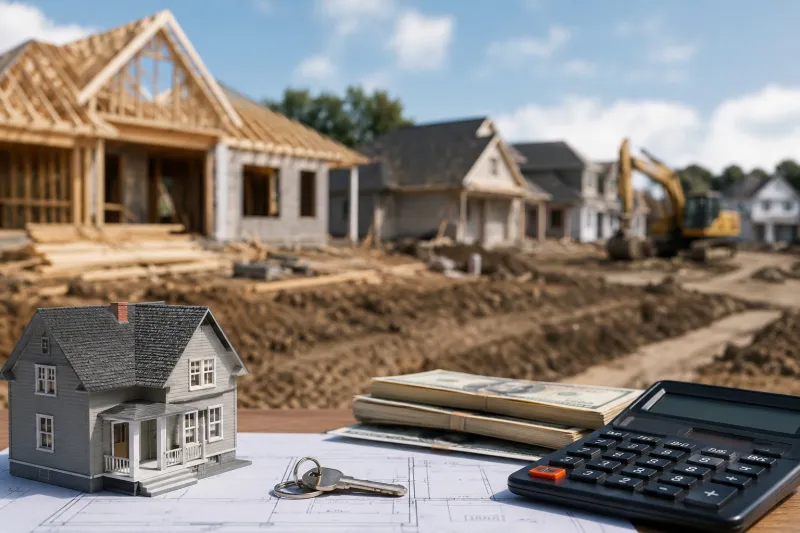
The U.S. housing market faced renewed pressure in July as single-family home construction fell sharply, highlighting the continued impact of elevated mortgage rates, weaker buyer demand and economic uncertainty on residential development.

U.S. home prices have continued to rise even as many households struggle with high mortgage rates, limited inventory, and elevated everyday costs. The result is a market that can look surprisingly strong on the surface—steady price gains and resilient demand—while underneath, affordability pressures are reshaping who can buy, where they can buy, and what they are willing to compromise on.

Mortgage rates in the United States have increased for the second consecutive week, adding further pressure to prospective homebuyers as borrowing costs continue to climb. The latest rise reflects higher U.S. Treasury yields and ongoing geopolitical uncertainty, both of which have contributed to elevated financing costs across the housing market.

For the first time since 2023, more U.S. consumers say they would rather buy a home than rent one, signaling a meaningful shift in housing sentiment. While high mortgage rates and tight inventory still define the market, households appear to be recalculating the trade-offs: rent growth feels less predictable, owning looks like a longer-term hedge, and expectations around future financing conditions are improving. The comeback in homeownership preference does not mean the market is suddenly easy. Still, it does suggest demand is re-forming in ways that could reshape pricing, inventory, and policy debates in the months ahead.
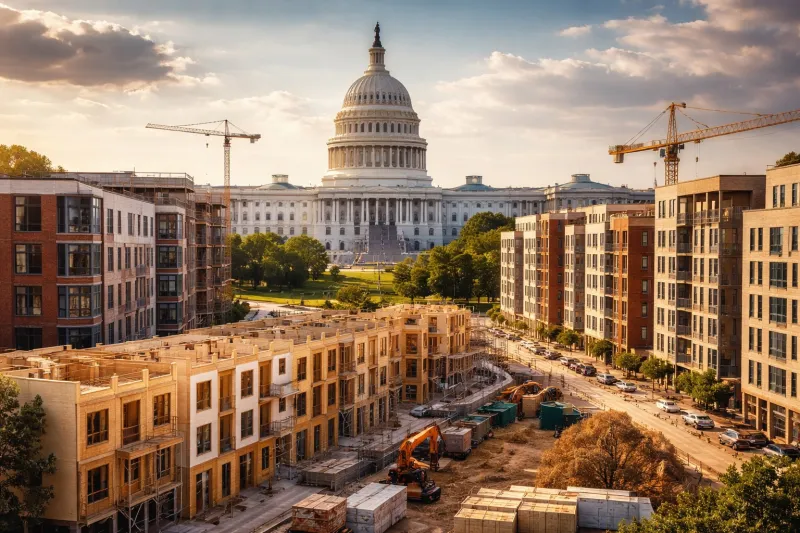
As home prices and rents remain elevated and mortgage rates keep monthly payments high, U.S. lawmakers are again turning housing into a front-burner economic issue. A new wave of proposals aims to expand supply, cut building costs, ease bottlenecks in local permitting, and improve access to financing—while balancing concerns about neighborhood impacts, environmental review, and taxpayer exposure. Below is a structured look at the reform push, what it targets, and what could determine whether it moves the needle on affordability.

In early January 2026, U.S. mortgage interest rates eased to the lowest levels seen in roughly three years, offering potential relief to prospective homebuyers and homeowners considering refinancing. This shift follows months of declining borrowing costs and market expectations of further rate softness.