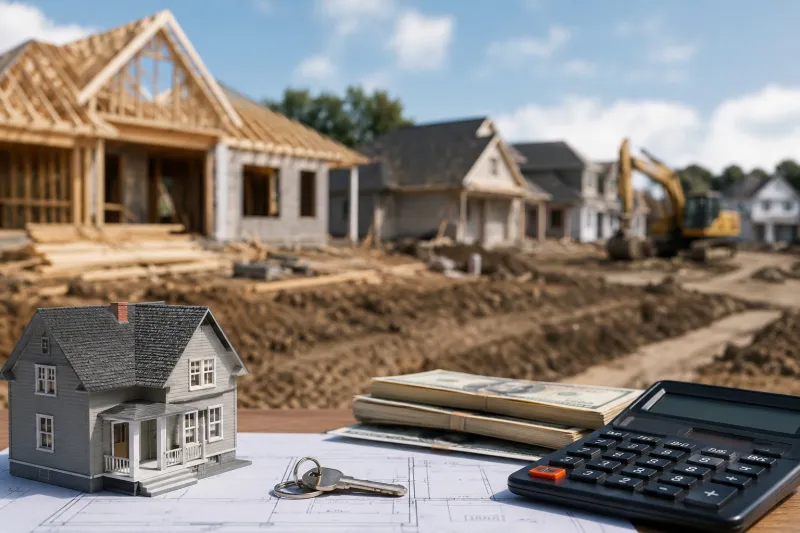

Homeownership returns: U.S. buyers pick owning over renting again
For the first time since 2023, more U.S. consumers say they would rather buy a home than rent one, signaling a meaningful shift in housing sentiment. While high mortgage rates and tight inventory still define the market, households appear to be recalculating the trade-offs: rent growth feels less predictable, owning looks like a longer-term hedge, and expectations around future financing conditions are improving. The comeback in homeownership preference does not mean the market is suddenly easy. Still, it does suggest demand is re-forming in ways that could reshape pricing, inventory, and policy debates in the months ahead.
- A sentiment shift that breaks the post-2023 pattern
- Why renting looks less attractive than it did a year ago
- Affordability is still tight, but buyers are adapting
- Mortgage rate expectations are doing quiet work
- Inventory constraints keep pressure on first-time buyers
- New construction is gaining relevance in the buying conversation
- Household formation and life stages are reasserting themselves
- The rent-versus-buy math is changing by market
- Credit standards, down payments, and the return of strategic budgeting
- What this shift could mean for prices, rents, and competition
A sentiment shift that breaks the post-2023 pattern
Consumer preference swinging back toward buying is notable because the prior cycle favored renting as affordability deteriorated and mortgage rates rose. The new tilt toward ownership indicates that many households now view renting as the riskier or less rewarding option, even if monthly payments on a purchase remain elevated.
In practical terms, this shift can show up before transaction data does: more online search activity for listings, rising inquiries to lenders, and greater willingness to attend open houses. Sentiment is not the same as sales volume, but it often foreshadows where demand will apply pressure next.
Why renting looks less attractive than it did a year ago
Many renters have faced repeated lease increases, fees, and limited control over housing conditions, which can make renting feel like a recurring negotiation rather than a stable plan. Even in markets where rent growth has cooled, the memory of sharp increases has changed perceptions of long-term cost.
Renters also tend to face moving costs, security deposits, and the non-financial stress of uncertainty at renewal time. When households compare these frictions to the predictability of a fixed-rate mortgage, the ownership premium can feel more justified than it did when rents were perceived as the cheaper, simpler alternative.
Affordability is still tight, but buyers are adapting
Affordability remains the central constraint: high prices and elevated interest rates keep the monthly payment hurdle steep. Yet consumers adapt when they believe conditions will not meaningfully improve by waiting. That adaptation can include lowering square-footage expectations, prioritizing smaller lots, or choosing condos and townhomes over detached homes.
Other tactics include expanding search radius, accepting longer commutes, or targeting homes that need cosmetic updates. These trade-offs reflect a psychological pivot from “waiting for a reset” to “finding a workable entry point,” which is consistent with a renewed preference for buying.
Mortgage rate expectations are doing quiet work
Even small changes in expectations about future mortgage rates can alter behavior. When consumers believe rates may ease over the next year, the idea of buying now and refinancing later becomes a viable narrative, especially for households that can manage today’s payment but dislike the uncertainty of renting.
That mindset also reduces the psychological penalty of locking in a higher rate. Buyers may focus on purchase price and home fit first, assuming that financing is a variable they can improve over time, rather than a permanent barrier.
Inventory constraints keep pressure on first-time buyers
Limited inventory remains a structural headwind. Many existing homeowners are reluctant to sell because they would give up low mortgage rates secured in prior years, which restricts the number of resale listings. This “rate lock” effect keeps supply tighter than demand would otherwise allow.
First-time buyers feel this most acutely because they do not have equity from a previous home to offset higher prices. As a result, the comeback in preference for buying may initially concentrate on segments where supply is more available, such as new builds, condos, or homes in outer suburbs.
New construction is gaining relevance in the buying conversation
Builders can sometimes offer what the resale market cannot: more consistent availability and financial incentives. Rate buydowns, closing cost credits, and design packages effectively lower the all-in monthly cost, which can make new homes competitive even when sticker prices appear higher.
New construction also reduces the fear of immediate repair surprises, an issue that has become more salient with aging housing stock. For consumers deciding between renting and buying, the promise of predictable maintenance in a new home can tip the balance toward ownership.
Household formation and life stages are reasserting themselves
Major life transitions do not always wait for perfect market conditions. Marriage, divorce, new children, caregiving needs, and job changes can create a practical need for more space or different locations. When these pressures build, buying becomes less about timing the market and more about meeting a household requirement.
This is especially relevant for millennials moving through peak household-formation years and for older buyers seeking stability or multigenerational arrangements. The renewed preference for ownership suggests life-stage demand is strengthening despite affordability challenges.
The rent-versus-buy math is changing by market
National averages hide the reality that the rent-versus-buy calculation is intensely local. In some metros, renting remains cheaper month-to-month; in others, rent has risen enough that owning feels closer in cost, particularly if buyers can bring a down payment and secure favorable terms.
Consumers are also factoring in non-monthly considerations such as tax benefits, home office needs, and the value of stability for schools. As more households run the numbers with these variables included, markets where ownership is comparatively attainable may see stronger demand first.
Credit standards, down payments, and the return of strategic budgeting
With affordability tight, lenders and borrowers alike are paying closer attention to credit quality and debt-to-income ratios. This environment rewards preparation: higher credit scores can materially reduce borrowing costs, and even modest improvements can change qualification outcomes.
Buyers are responding with more deliberate budgeting strategies, including paying down revolving debt, delaying major purchases, and exploring assistance programs. Common approaches include:
- Targeting first-time buyer grants or down payment assistance where available
- Choosing smaller starter homes to build equity sooner
- Using rate buydowns or seller concessions to manage early payments
What this shift could mean for prices, rents, and competition
If the preference for buying translates into more active demand, competition could intensify in entry-level price bands where supply is already thin. That can support prices even in a high-rate environment, particularly in markets with strong job growth and limited building.
On the rental side, increased buying interest may gradually ease demand for certain apartment segments, but the effect will vary by region and income bracket. In the near term, the more immediate impact may be behavioral: renters who plan to buy could become more price-sensitive at lease renewal, and landlords may face a tenant base that is actively comparing monthly rent to an ownership pathway.
Writer focused on delivering informative, accessible content