
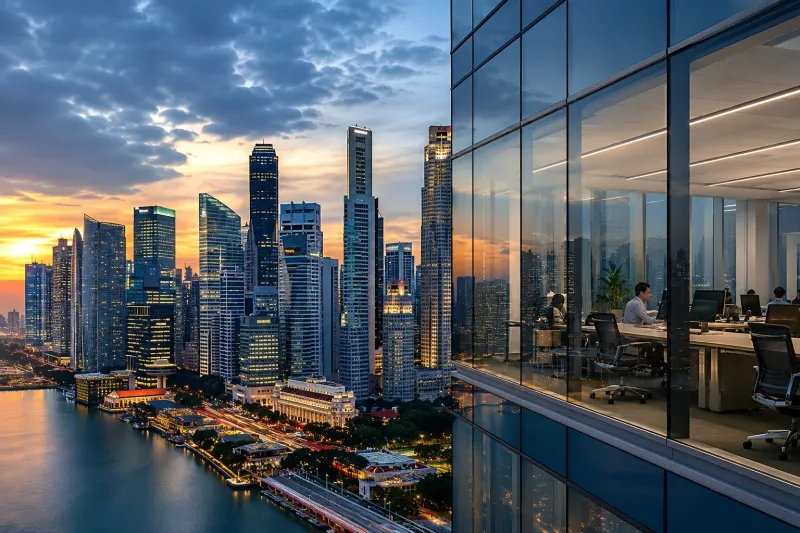
While office markets in many global cities are being reshaped by slower growth, hybrid work, and cautious corporate spending, Singapore continues to show uncommon strength at the top end of the market. Prime rents are still rising, supported by tight supply in core districts, sustained demand from high-value sectors, and a flight to quality that favors best-in-class assets. This article examines the drivers behind the upswing, the segments under pressure, and the signals occupiers and investors should watch next.

CapitaLand’s newly secured $1.9 billion real estate mandate is more than a headline number—it is a market signal. In a period marked by uneven valuations, higher funding costs, and cautious capital deployment, a mandate of this scale suggests that institutional investors see both resilience and opportunity in selective real estate strategies. The move also underscores how large managers with deep operating platforms are increasingly favored to source deals, manage risk, and execute asset-level improvements.
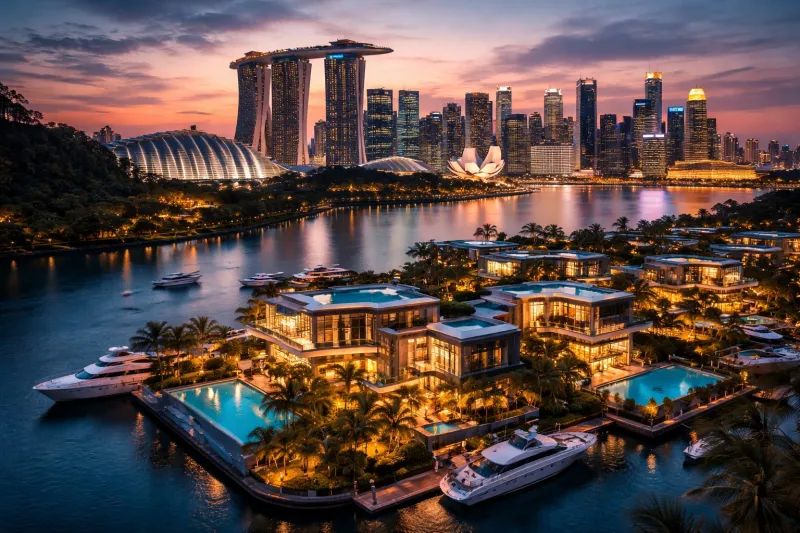
Singapore is rapidly consolidating its position as the global epicenter for $10M+ luxury real estate, drawing ultra-high-net-worth buyers who want more than prestige—they want durability, discretion, and a system that works. A rare combination of political stability, rule of law, deep capital markets, and world-class urban planning is reshaping demand for trophy homes, branded residences, and tightly held prime districts, even as policymakers fine-tune cooling measures to keep the market resilient.
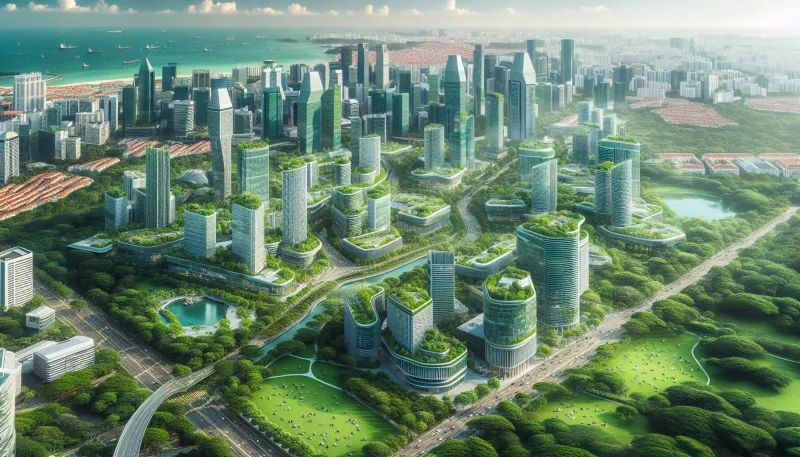
With rapid urbanization challenging cities worldwide, Singapore emerges as a beacon of sustainable urban development. This city-state has successfully balanced economic growth with environmental stewardship, creating an urban environment that prioritizes green spaces, efficient infrastructure, and innovative policies. The following explores the multifaceted approach Singapore employs to serve as a model for sustainable urban living.