
Singapore’s office market stays resilient as prime rents keep climbing
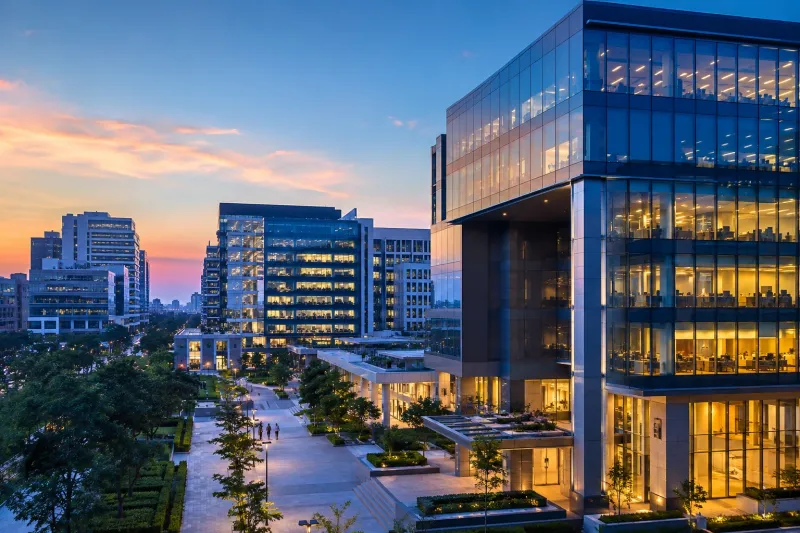
While office markets in many global cities are being reshaped by slower growth, hybrid work, and cautious corporate spending, Singapore continues to show uncommon strength at the top end of the market. Prime rents are still rising, supported by tight supply in core districts, sustained demand from high-value sectors, and a flight to quality that favors best-in-class assets. This article examines the drivers behind the upswing, the segments under pressure, and the signals occupiers and investors should watch next.
- Prime rents rise despite a cautious global backdrop
- Supply constraints in the core continue to support landlords
- Flight to quality accelerates the performance gap between buildings
- Demand is anchored by finance, professional services, and growth sectors
- Hybrid work reshapes space usage but not the need for premium locations
- ESG and green certification are becoming rent and leasing catalysts
- Decentralized submarkets offer value, but prime still sets the benchmark
- Tenant behavior becomes more selective, pushing negotiations into finer details
- Capital markets and development economics shape what comes next
- Key indicators to watch: vacancy, shadow space, and pre-commitments
Prime rents rise despite a cautious global backdrop
In contrast to the hesitation seen across major office hubs, Singapore’s prime office rents have continued to edge upward. The key dynamic is not broad-based exuberance, but persistent competition for a limited pool of premium space in the CBD and other prime nodes. Even as global boards scrutinize costs, many regional headquarters and high-margin businesses view Singapore as a strategic anchor market where office location and building quality can be directly linked to talent attraction, brand positioning, and regulatory certainty.
That combination has kept pricing power in the hands of landlords of top-tier buildings. Leasing decisions may take longer and require tighter internal approvals, but when occupiers commit, they tend to choose the best buildings, sustaining the rent trajectory at the prime end.
Supply constraints in the core continue to support landlords
One of the clearest reasons prime rents remain firm is the constrained availability of large, contiguous floor plates in the most coveted locations. New completions are not always synchronized with the timing and requirements of major occupiers, and a meaningful share of space is effectively spoken for well before completion. As a result, vacancy in the best assets can remain low even when the broader market loosens.
Landlords of prime towers benefit from this structural imbalance. With limited options for tenants that require scale, high specifications, and top connectivity, negotiations often center on lease terms, fit-out packages, and expansion rights rather than headline rent reductions.
Flight to quality accelerates the performance gap between buildings
Singapore’s office market is increasingly characterized by divergence: top-grade, well-managed assets maintain momentum while older, less efficient buildings face greater friction. Occupiers prioritize modern mechanical systems, strong indoor environmental quality, resilient building operations, and amenities that support collaboration. This has intensified the flight to quality, disproportionately benefiting prime towers.
For many tenants, the decision is less about taking more space and more about taking better space. The outcome is a widening spread in effective rents, incentives, and occupancy outcomes between premium and secondary stock, even within the same submarket.
Demand is anchored by finance, professional services, and growth sectors
Singapore remains a regional magnet for firms that value stability, connectivity, and a deep professional ecosystem. Financial institutions, legal and professional services firms, and multinational headquarters functions continue to be core demand drivers. Alongside them, select growth segments such as wealth management, fintech, cybersecurity, and advanced technology support leasing activity when other markets slow.
Importantly, demand quality matters as much as quantity. Many of these occupiers favor long lease tenures, strong covenants, and premium specifications, which reinforces pricing in prime buildings even when overall take-up fluctuates.
ESG and green certification are becoming rent and leasing catalysts
Sustainability is moving from a corporate aspiration to a leasing requirement. Occupiers with global reporting obligations increasingly screen buildings for energy performance, green certifications, and credible pathways to decarbonization. In Singapore, where policy direction and market expectations are both trending toward higher standards, ESG readiness is becoming a competitive differentiator.
Prime assets that can demonstrate lower operating intensity and robust sustainability credentials often command stronger demand and may sustain higher effective rents. Conversely, assets that cannot be efficiently upgraded risk higher vacancy and increased incentive pressure as tenants seek alignment with ESG targets.
Decentralized submarkets offer value, but prime still sets the benchmark
Decentralized business parks and city-fringe locations can provide cost advantages and modern specifications, attracting tenants that are price-sensitive or operationally oriented. These areas can also suit organizations adopting hub-and-spoke models, where teams split time between a central HQ and satellite sites closer to residential clusters.
Even so, prime CBD rents remain the market’s psychological and financial benchmark. When premium space is scarce and perceived as strategic, it influences decision-making across the island, shaping expectations around incentives, lease structures, and the relative attractiveness of alternatives.
Tenant behavior becomes more selective, pushing negotiations into finer details
Occupiers are not ignoring uncertainty; they are managing it through optionality and precision. This shows up in lease negotiations that emphasize flexibility, rights of renewal or expansion, early access for fit-outs, and carefully structured rent reviews. Decision cycles may lengthen, and tenants may run more competitive processes, but prime buildings still attract the strongest bids.
Landlords, for their part, defend headline rents while using targeted incentives to close deals. The result is a market where effective rents can vary deal-by-deal, yet the overall prime rental trend remains upward because the most sought-after space continues to clear at firm levels.
Capital markets and development economics shape what comes next
Rising financing costs and tighter investment underwriting have made new development and major repositioning decisions more complex. For office owners, holding costs, refinancing timelines, and capex requirements can influence leasing posture. For developers, feasibility hinges on achievable rents, construction costs, and pre-commitment levels.
In such an environment, limited new prime supply can persist, indirectly supporting rents. At the same time, owners of aging assets face mounting pressure to invest in upgrades to remain competitive, which can reduce short-term available stock during refurbishment and further tighten prime options.
Key indicators to watch: vacancy, shadow space, and pre-commitments
To assess whether prime rent growth can persist, market participants track a handful of leading indicators. The headline vacancy rate matters, but so does the split between premium and secondary vacancy, because prime rents are driven by scarcity in the best buildings rather than overall emptiness.
Another factor is shadow space that is leased but underutilized, or likely to be surrendered at lease expiry. If shadow space rises materially, it can soften demand. Conversely, strong pre-commitments for upcoming prime projects, healthy renewal volumes, and steady net absorption in top-tier buildings would reinforce the view that Singapore’s prime office segment can continue to defy global uncertainty.
- Prime vs. secondary vacancy to measure the true scarcity premium
- Lease renewals and tenant retention in top towers
- Pipeline timing and pre-leasing levels for new supply
- Shadow space signals from consolidation and hybrid work optimization
Writer focused on delivering informative, accessible content