

Seoul’s housing market has accelerated sharply, with reported price gains nearing 30% over the past two years in key districts, as an AI-led investment cycle reshapes where high-income jobs cluster and where capital flows. The result is a widening gap between wages and home values, heavier competition for limited supply in central neighborhoods, and a growing sense that even middle-class households are being priced out of the city’s most connected areas.
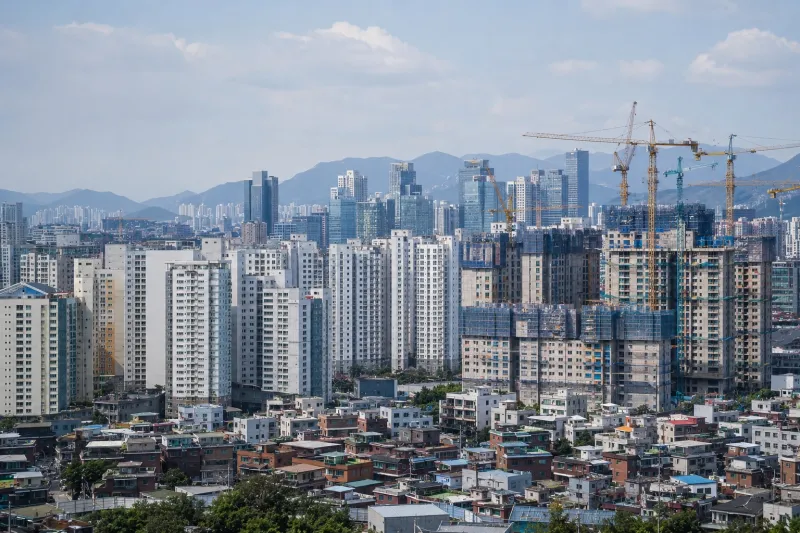
South Korea is widening its housing funding toolkit to tackle two problems at once: a persistent shortage of affordable homes in key urban areas and the growing difficulty young households face when trying to buy their first property. By channeling more public-backed finance into construction, redevelopment, and buyer support, policymakers aim to increase the number of homes coming to market while lowering the upfront barriers for younger and first-time purchasers. The approach blends supply-side incentives with targeted demand-side assistance, reflecting an effort to stabilize the housing ladder without reigniting speculative pressure.
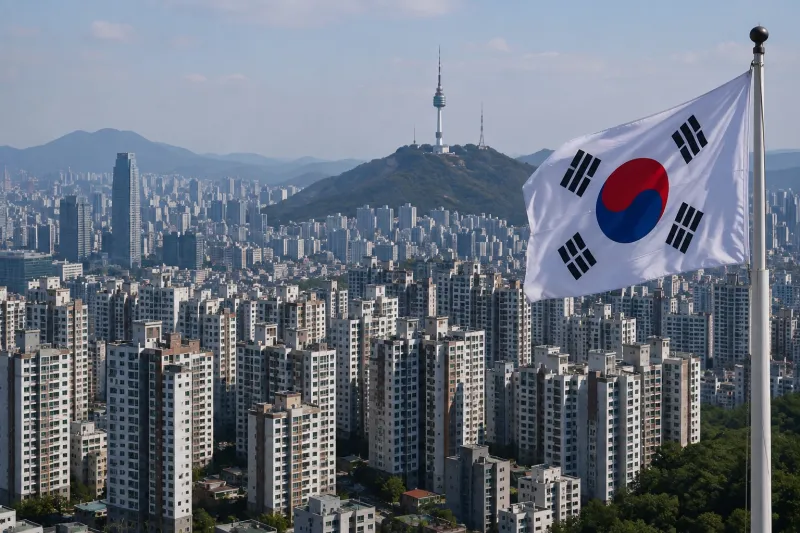
South Korea is proposing a fresh round of property tax reforms aimed at cooling a housing market that has repeatedly swung between surges and corrections, particularly in and around Seoul. The policy direction reflects a balancing act: reducing speculative pressure and price momentum while improving affordability for end-users, especially first-time buyers and households facing higher borrowing costs. By recalibrating who pays, how much they pay, and when they pay, the government is signaling that taxation will play a central role alongside supply measures and credit policy.