
Seoul property prices jump 30% in two years as the AI boom deepens the affordability crunch
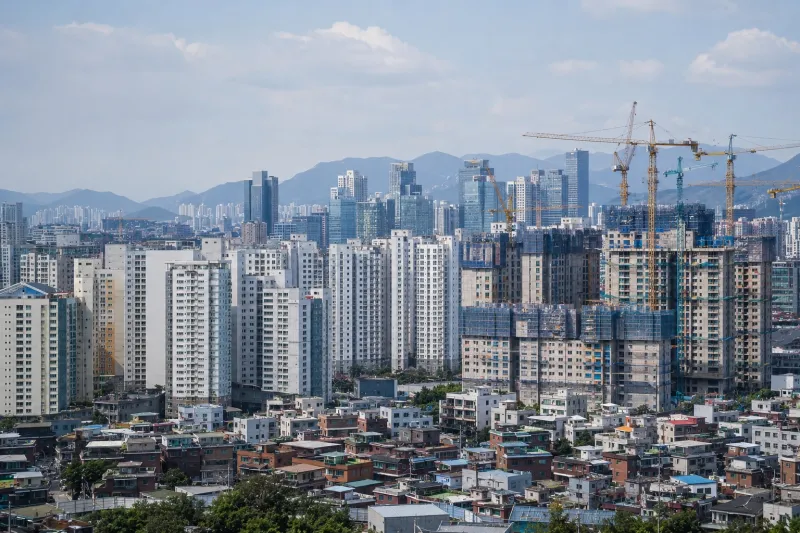
Seoul’s housing market has accelerated sharply, with reported price gains nearing 30% over the past two years in key districts, as an AI-led investment cycle reshapes where high-income jobs cluster and where capital flows. The result is a widening gap between wages and home values, heavier competition for limited supply in central neighborhoods, and a growing sense that even middle-class households are being priced out of the city’s most connected areas.
- A two-year surge that outpaces incomes
- How the AI boom concentrates demand in a few corridors
- Investor behavior shifts from speculation to “AI-adjacent” safety
- Supply constraints collide with premium preferences
- Renters feel the squeeze through deposits and monthly costs
- Wealth effects widen inequality across generations
- Credit conditions and policy signals amplify volatility
- The commute trade-off: affordability pushes households outward
- Corporate location choices reshape micro-markets
- What households and policymakers are debating now
A two-year surge that outpaces incomes
The recent run-up in Seoul property prices has been notable not only for its speed but for how decisively it has outstripped typical household income growth. While premium apartments in high-demand districts often lead the cycle, the pressure has increasingly spread outward as buyers “trade down” in location rather than in quality. This dynamic pushes up prices in previously more affordable neighborhoods, tightening the market citywide and amplifying the perception that homeownership is drifting out of reach.
How the AI boom concentrates demand in a few corridors
AI investment tends to create geographic concentration: data centers, research labs, chip design teams, and venture-backed startups cluster near universities, established business districts, and high-quality transit. In Seoul, that clustering effect reinforces demand for housing close to major employment nodes and innovation ecosystems. As firms compete for scarce talent, higher compensation packages and stock-linked upside can translate into greater purchasing power, intensifying bidding for apartments in the same well-connected corridors.
Investor behavior shifts from speculation to “AI-adjacent” safety
After periods when sentiment-driven speculation dominated, parts of the market now reflect a more targeted strategy: owning housing in areas perceived to benefit from long-term AI-related growth. Some buyers treat these districts as “durable demand zones,” expecting resilient rental markets and superior resale liquidity. This narrative can become self-reinforcing if enough participants believe a neighborhood is structurally advantaged, capital concentrates there, compressing yields and raising entry prices for end-users.
Renters feel the squeeze through deposits and monthly costs
Rising purchase prices typically filter into the rental market, and Seoul’s structure means renters can feel that pressure in multiple ways. Deposit-based arrangements can become harder to finance as required lump sums climb, while monthly rent can rise as landlords seek to match higher opportunity costs. For younger households and recent arrivals, the hurdle is not only the monthly payment but also the upfront capital needed to secure a lease, which can delay household formation and force longer commutes.
Wealth effects widen inequality across generations
When housing values surge, existing owners accumulate paper wealth while non-owners face a moving target. This fuels a generational divide: households that bought earlier often with family support or during softer markets gain equity that can be leveraged for better locations or additional properties. Meanwhile, first-time buyers confront higher down payments, tougher affordability tests, and greater exposure to interest-rate risk, deepening the gap between asset holders and wage earners.
Credit conditions and policy signals amplify volatility
Mortgage availability, debt-to-income rules, and shifting regulatory signals can quickly change buyer behavior. When market participants anticipate looser credit or softer restrictions, transactions can surge as buyers rush to lock in before conditions tighten again. Conversely, sudden tightening can freeze liquidity, creating a market where only the most capitalized households can transact. In such an environment, price discovery becomes uneven, and headline gains can coexist with localized stagnation depending on financing access.
The commute trade-off: affordability pushes households outward
As central Seoul becomes less attainable, more households accept longer commutes in exchange for space or a lower entry price. This outward shift increases pressure on transit-linked suburbs and satellite cities, where demand concentrates near rail lines and express routes. Over time, the “affordable ring” moves farther away, raising indirect costs such as time, childcare logistics, and transport expenses costs that don’t appear in purchase prices but materially affect quality of life.
Corporate location choices reshape micro-markets
In AI-driven expansions, corporate real estate decisions can ripple into residential markets. A new office hub, lab cluster, or accelerator program can lift demand in nearby neighborhoods, especially where international schools, healthcare, and lifestyle amenities align with the preferences of highly paid professionals. These micro-market effects often show up first in transaction speed and bidding intensity rather than official indices, catching local renters and buyers off guard.
What households and policymakers are debating now
The current debate centers on how to restore affordability without destabilizing the broader economy. Common proposals include:
- Accelerating supply through streamlined redevelopment approvals and targeted upzoning near transit.
- Expanding rental options with professionally managed long-term rentals and safeguards for vulnerable tenants.
- Adjusting credit and tax policy to curb speculative demand while protecting genuine first-time buyers.
- Investing in connectivity so job access improves even for households priced out of core districts.
For many residents, the immediate question is practical rather than ideological: whether to buy now and stretch finances, continue renting and risk further increases, or relocate to regain stability.
Writer focused on delivering informative, accessible content