
Evergrande Founder Sentenced to Life as China’s Property Crisis Deepens
The collapse of China Evergrande has reached another major milestone after founder Hui Ka Yan was sentenced to life imprisonment by a court in Shenzhen over financial crimes linked to the property developer’s downfall.
The sentence marks a dramatic end to the career of one of China’s most prominent property tycoons and highlights the continuing fallout from the country’s prolonged real estate crisis. Hui, once among Asia’s wealthiest individuals, pleaded guilty to eight charges, including misuse of funds, fundraising fraud, illegally taking public deposits, fraudulently issuing securities and bribery.
Evergrande’s Dramatic Collapse
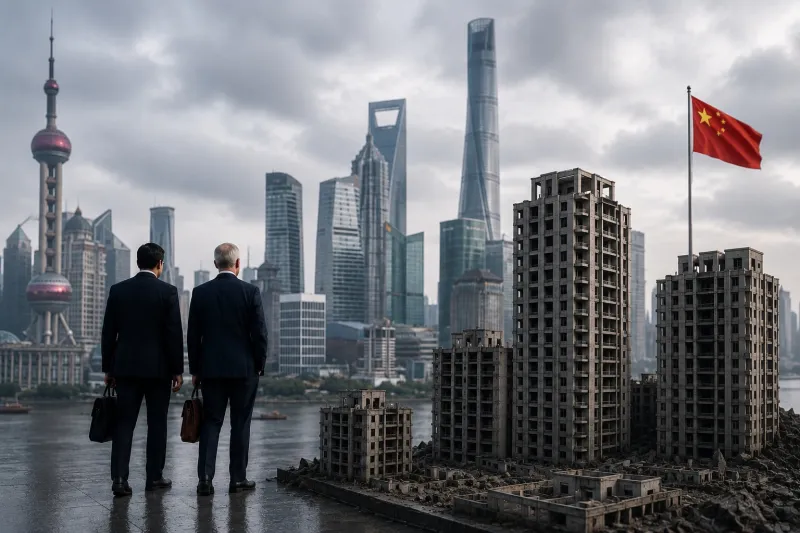
Evergrande expanded rapidly during China’s long property boom, becoming one of the country’s largest developers through an aggressive strategy of borrowing and expansion. The company built residential projects across numerous Chinese cities and diversified into businesses including electric vehicles, finance and entertainment.
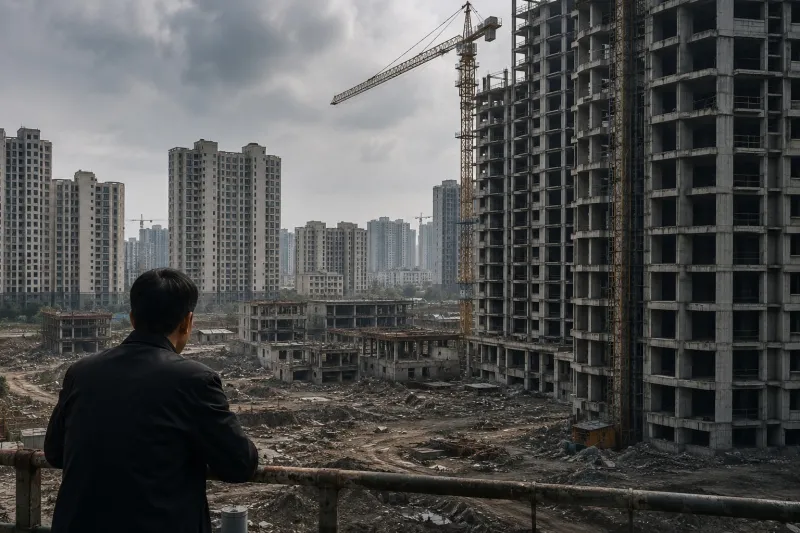
However, the developer accumulated enormous levels of debt as it continued to finance its expansion. Evergrande eventually defaulted in 2021 after struggling to meet its financial obligations, turning the company into the most prominent symbol of China’s property-sector crisis.
The developer had more than $300 billion in liabilities when its financial difficulties became a major international concern. Its collapse also raised fears about unfinished housing projects, unpaid suppliers, financial institutions and the wider stability of China's real estate market.
Court Orders Confiscation of Hui’s Assets
Alongside the life sentence, the Shenzhen court ordered the confiscation of Hui’s personal assets. Evergrande Group and its subsidiary Hengda Real Estate were also hit with combined fines of approximately 15.82 billion yuan, equivalent to around $2.3 billion.
The court's decision followed allegations of extensive financial manipulation. Authorities said financial information was falsified and liabilities concealed as the company attempted to maintain access to financing.
More than 50 individuals connected to Evergrande were also sentenced, with several senior executives receiving prison terms and fines.
A Symbol of China’s Property Crisis
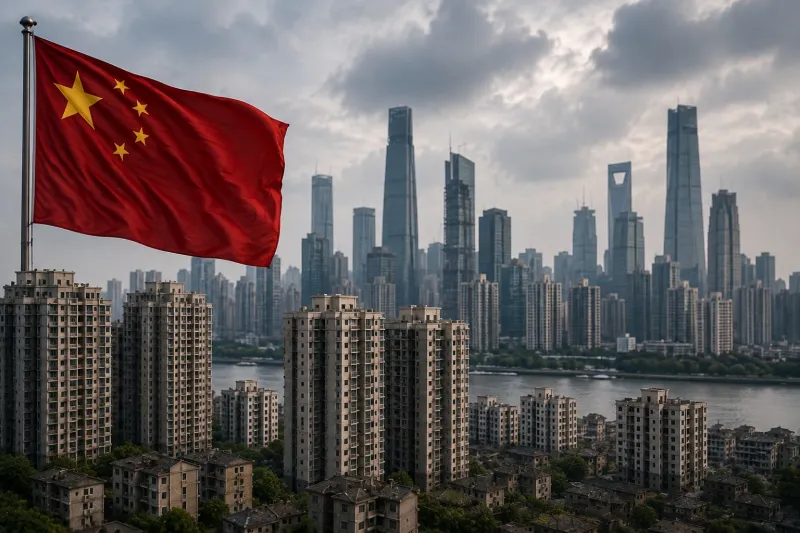
Evergrande's downfall has become closely associated with the broader problems facing China's property market. The sector has struggled with weak demand, falling confidence, high developer debt and a prolonged adjustment following years of rapid construction and rising property prices.
The crisis has also affected other major developers, with companies across the sector facing difficulties in repaying debt, completing housing projects and securing new financing.
For investors, Evergrande demonstrated the risks associated with a highly leveraged development model that depends heavily on continued sales and access to credit.
Creditors Still Face Uncertainty
While Hui’s sentencing closes an important chapter in the legal response to Evergrande’s collapse, it does not resolve the company's enormous financial problems.
Evergrande's liquidation process has continued as creditors attempt to recover money from the company's remaining assets. Recovery has been challenging, with asset sales producing only a fraction of the amounts owed to creditors. Offshore legal proceedings are also continuing as efforts are made to recover funds linked to Hui and other former executives.
The sentencing therefore provides a significant legal conclusion but offers limited immediate relief for creditors, homeowners and businesses that were affected by Evergrande's collapse.
What the Case Means for China’s Real Estate Market
The case underscores the Chinese government's tougher approach toward financial misconduct and excessive leverage within the property industry. It also illustrates how the consequences of the country's real estate boom are continuing years after the sector began its major correction.
Evergrande's rise and collapse changed perceptions of risk within China's property market. Developers are now operating in an environment where access to financing is more closely scrutinized, while investors and buyers have become more cautious.
The life sentence for Hui Ka Yan is likely to remain one of the most significant developments in the long-running Evergrande saga. However, China's property market still faces the larger challenge of restoring confidence, stabilizing demand and resolving the financial problems left behind by years of excessive borrowing.
Writer focused on delivering informative, accessible content