China’s Property Crisis Deepens as Evergrande Fallout Continues
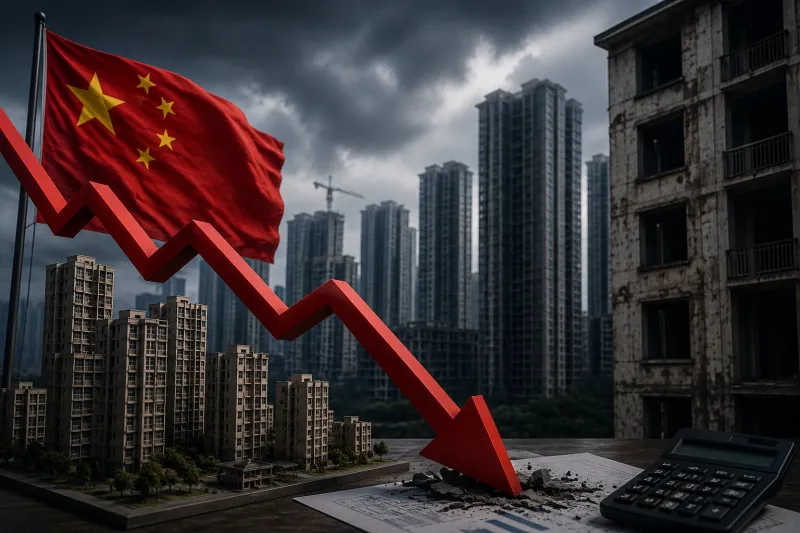
China’s property sector continues to face significant challenges as the fallout from the collapse of major developers weighs on housing demand, prices and market confidence.
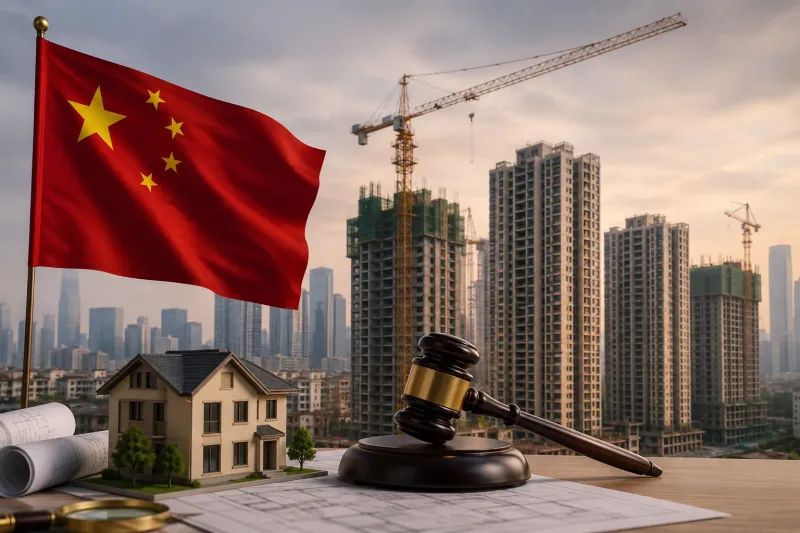
The situation has drawn renewed attention following the life imprisonment of Evergrande founder Hui Ka Yan, marking another major development in the prolonged crisis surrounding one of China’s largest property developers.
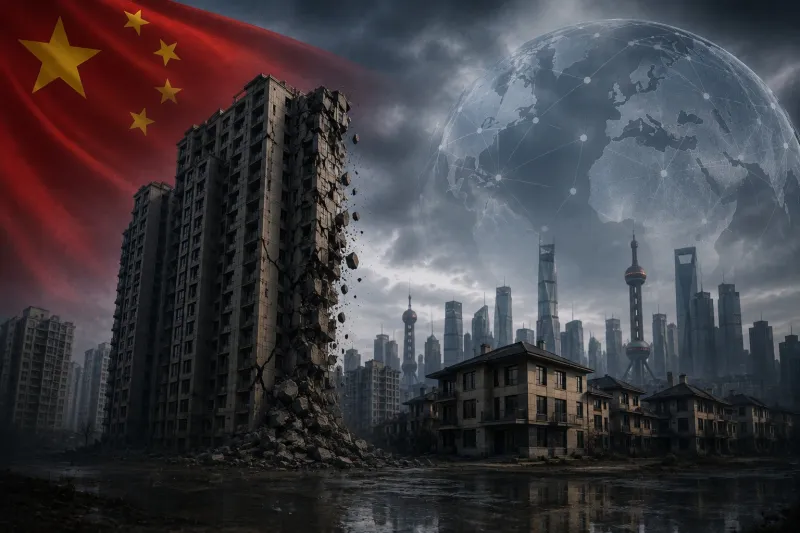
Evergrande’s collapse has become a symbol of the broader problems facing China’s real estate sector, where years of rapid expansion were followed by rising debt, declining sales and a growing number of unfinished residential projects.
Weak Housing Demand Remains a Major Challenge
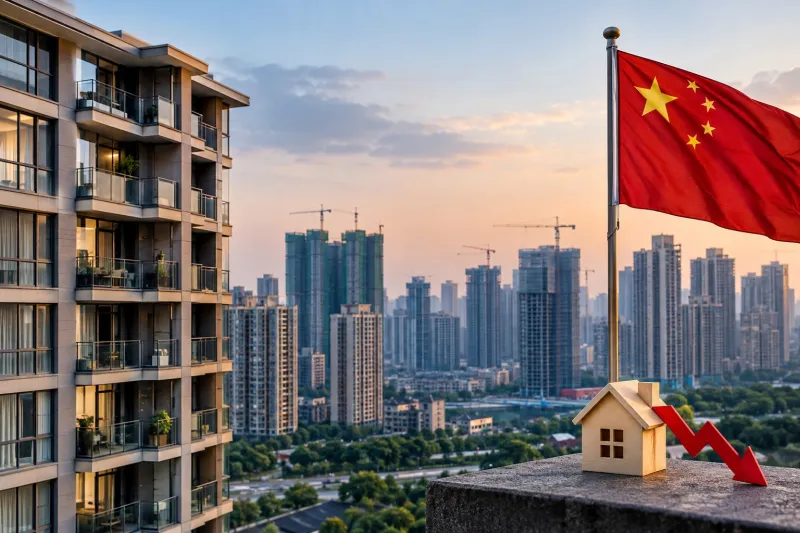
Property demand remains under pressure across several parts of China, particularly in smaller cities where population growth and economic activity are weaker. Lower buyer confidence has made it difficult for developers to generate sufficient sales to support new construction and repay existing obligations.
Although policymakers have introduced measures designed to support homebuyers and stabilize the sector, the recovery has remained uneven. Major cities have generally shown greater resilience, while lower-tier markets continue to experience weaker demand.
Falling or stagnant property values have also affected household confidence. For many Chinese households, residential property represents a significant portion of their wealth, meaning prolonged weakness in the housing market can have wider effects on consumer spending and economic activity.
Evergrande Fallout Continues
Evergrande’s financial troubles have had consequences extending far beyond the company itself. The developer accumulated enormous liabilities during its rapid expansion before struggling to complete projects and meet financial obligations.
The company's collapse raised concerns about whether other heavily indebted developers could face similar difficulties. It also highlighted the risks created by a property model heavily dependent on borrowing and advance home sales.
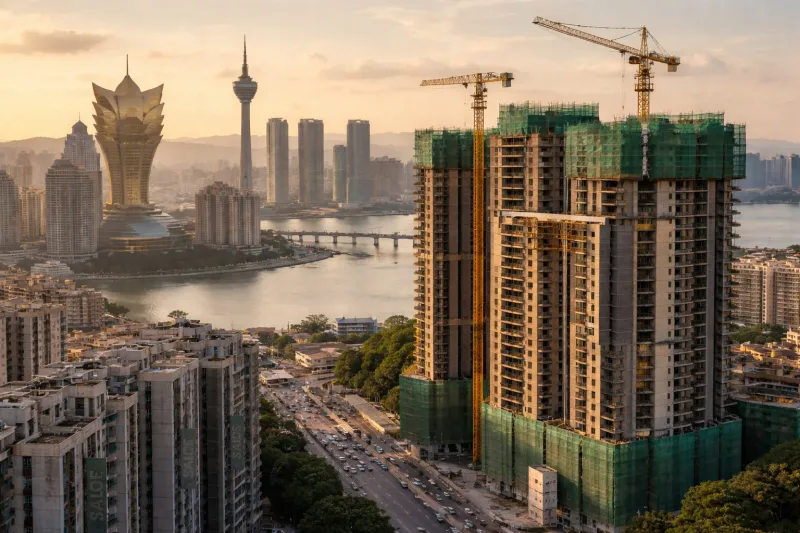
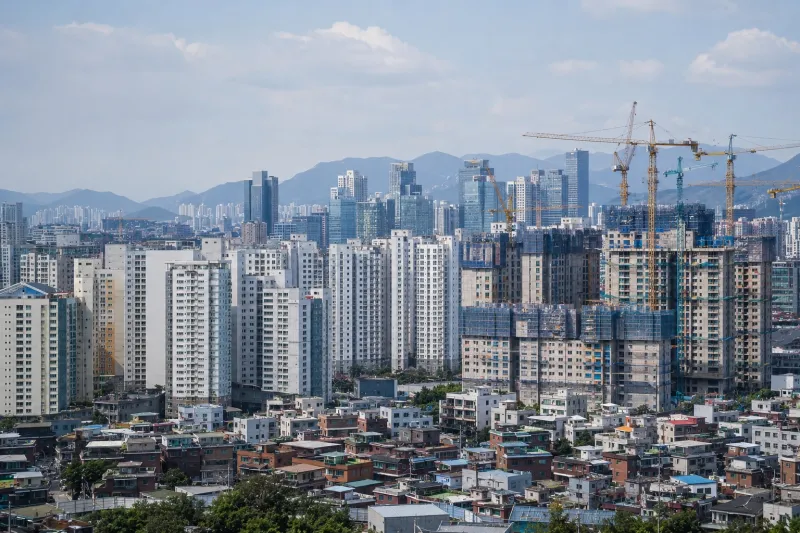
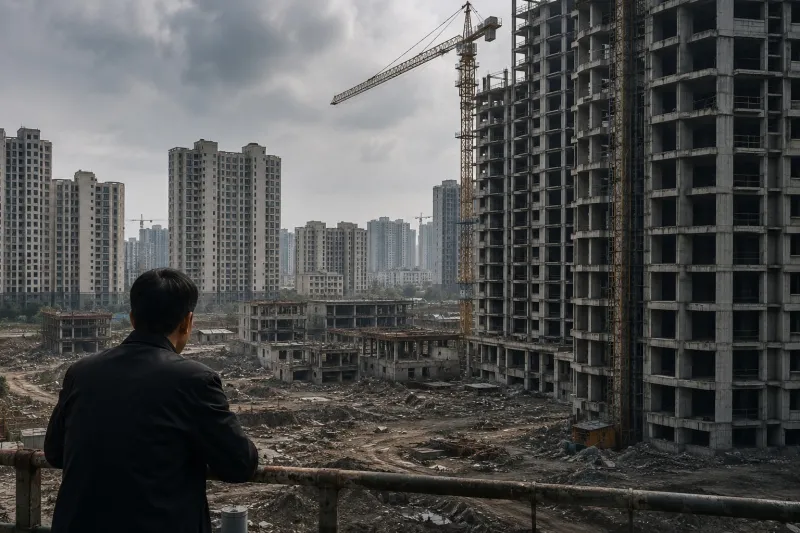
The problems have left unfinished housing projects in several parts of the country, creating pressure on authorities to ensure that buyers receive completed homes.
Government Efforts Face a Difficult Test
Chinese authorities have introduced a range of measures aimed at supporting the property market, including adjustments to housing restrictions, mortgage policies and financing conditions.
However, restoring confidence remains difficult. Lower interest rates and more favorable purchasing policies can encourage demand, but buyers may remain cautious if they are concerned about property values or the ability of developers to complete projects.
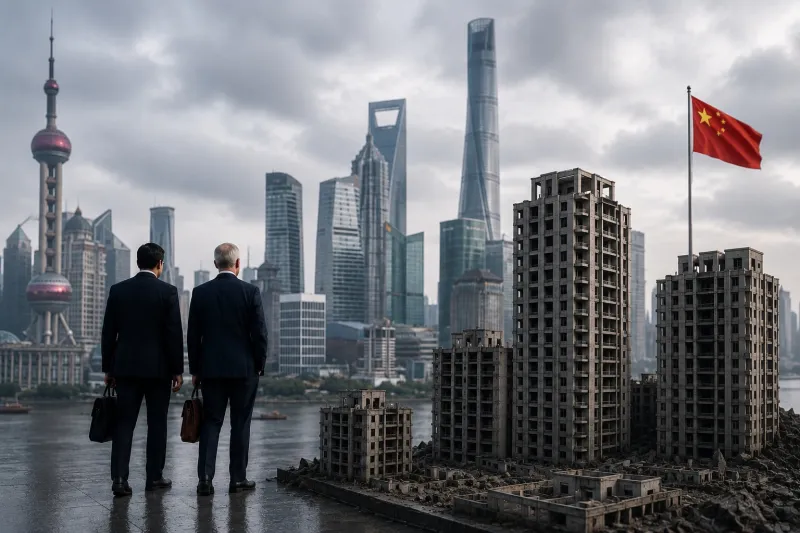
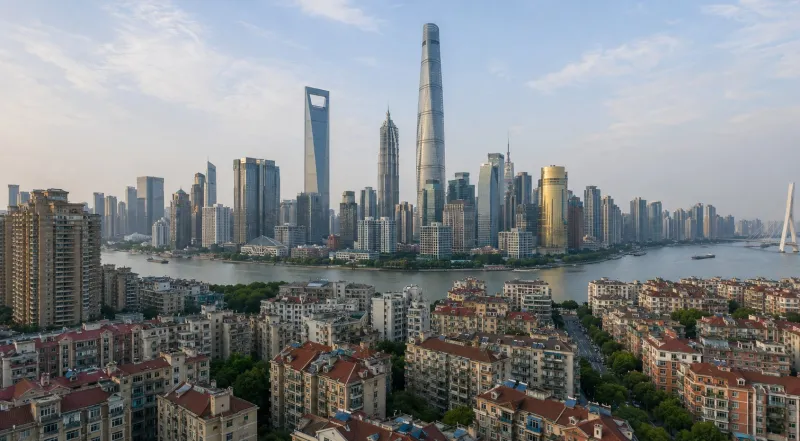
Recent policy moves in major cities such as Shanghai demonstrate the government’s continued efforts to stimulate housing demand and prevent further deterioration in the market.
Broader Economic Impact
China’s property sector plays an important role in the wider economy, affecting construction, household wealth, local government finances, banks and numerous industries connected to housing.
A prolonged downturn therefore creates challenges beyond residential real estate. Developers with large debt burdens may continue to restructure their businesses, while financial institutions face pressure to manage exposure to troubled companies.
At the same time, weaker land sales can reduce revenue for local governments, adding another layer of financial pressure.
Recovery Likely to Remain Uneven
China’s property market is unlikely to recover uniformly. Stronger economic centers with greater employment opportunities and population growth could see stabilization sooner, while smaller cities may continue to struggle with excess housing supply and limited demand.
The authorities face the difficult task of supporting housing demand while addressing excessive leverage and preventing a return to the debt-fueled expansion that contributed to the crisis.
The continuing fallout from Evergrande demonstrates how deeply the property downturn has affected China’s real estate industry. With homebuyer confidence still fragile and unfinished projects remaining an important concern, restoring stability will likely require sustained policy support and a gradual rebuilding of market confidence.
Writer focused on delivering informative, accessible content