
Shanghai Eases Housing Rules as China Steps Up Efforts to Revive Property Demand
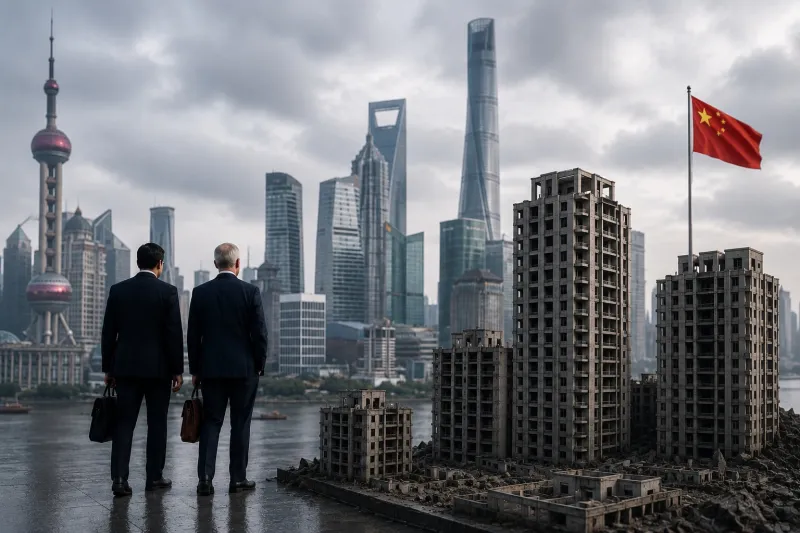
Shanghai has introduced new measures to support its residential property market as authorities intensify efforts to stabilize housing demand and restore confidence in China's struggling real estate sector.
The latest policy adjustments, which took effect on August 21, are designed to make home purchases more accessible while encouraging existing homeowners to upgrade to newer properties.
Lower Down Payments for Some Second Homes
One of the most notable changes is a reduction in the minimum down payment requirement for certain second-home purchases outside Shanghai's outer ring road.
The minimum down payment has been lowered from 20% to 15%, reducing the upfront financial burden for eligible buyers. The move could provide greater flexibility for households looking to purchase larger homes or move to different properties.
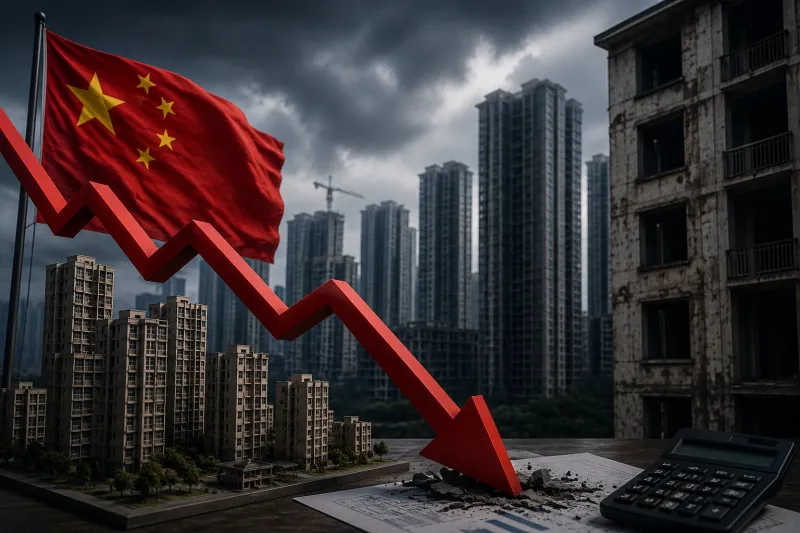
The adjustment comes as China's property market continues to experience weak demand, falling prices and cautious consumer sentiment.
Subsidies Aim to Encourage Home Upgrades
Shanghai is also offering temporary subsidies to encourage residents to sell existing homes and purchase new properties.
Eligible buyers can receive subsidies of up to 80,000 yuan when trading an existing property for a new home. The measure is intended to stimulate transactions in both the resale and new-home markets.
By encouraging homeowners to upgrade, authorities hope to increase housing activity without relying solely on first-time buyers.
Part of Wider Property Market Support
Shanghai's latest measures are part of broader efforts by Chinese authorities to stabilize the country's property sector.
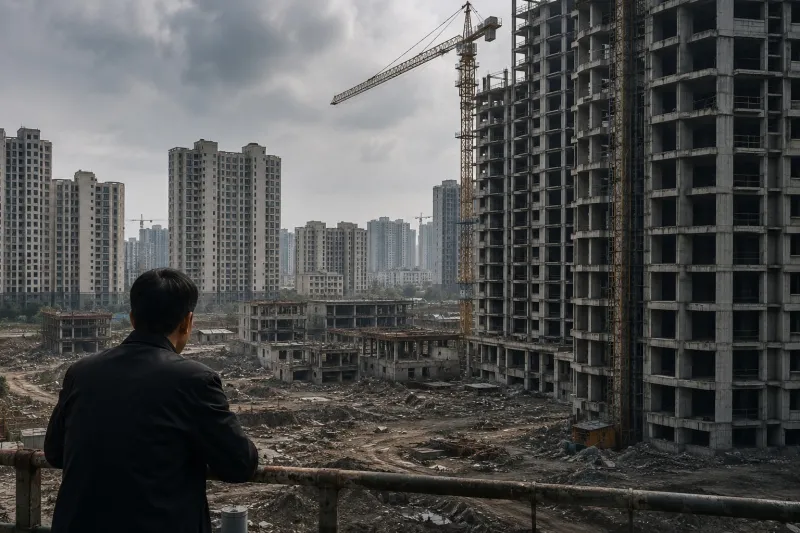
China's residential market has faced prolonged pressure from declining sales, falling home prices, high inventories and financial difficulties among developers. Although policymakers have introduced a series of measures to support the sector, the recovery has remained uneven across major cities.
The weakness in property has also become a concern for the wider economy because real estate plays an important role in household wealth, construction activity, employment and local government finances.
Major Cities Continue to Adjust Housing Policies
Shanghai's policy changes follow similar efforts in other major Chinese cities, where authorities have gradually relaxed purchasing restrictions and financing requirements.
The strategy reflects a shift toward targeted support rather than a single nationwide approach. Local governments are increasingly adjusting housing policies according to market conditions, particularly in larger cities where demand remains stronger than in many lower-tier markets.
Shanghai remains one of China's most important residential and commercial property markets, making policy changes there particularly significant for investor sentiment.
Outlook for Shanghai's Property Market
The effectiveness of the new measures will depend on whether they translate into stronger transaction volumes and improved buyer confidence.
Lower down payments could make purchases more accessible, while subsidies may encourage homeowners who have delayed upgrading to return to the market. However, broader economic uncertainty and concerns about property prices could continue to influence purchasing decisions.
Shanghai's latest move demonstrates that Chinese authorities remain committed to supporting the property market as they attempt to prevent further deterioration and encourage a more stable recovery.
Writer focused on delivering informative, accessible content