
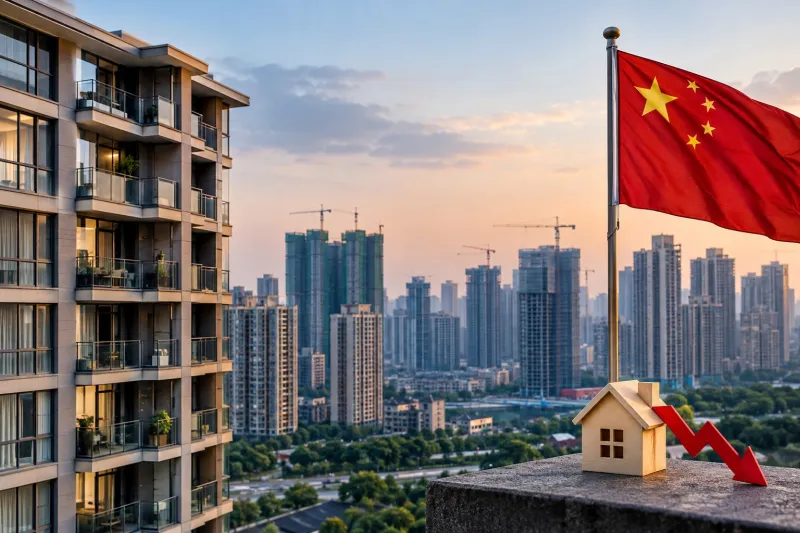
China’s property slump is deepening as official data and market indicators point to a third consecutive month of falling home prices, reinforcing worries about weak demand, strained developer balance sheets, and the broader drag on consumption and local-government finances. Despite incremental policy easing, buyers remain cautious, inventories are elevated in many cities, and confidence has yet to reset—raising the stakes for Beijing’s next steps to stabilise a sector that has long been central to growth.
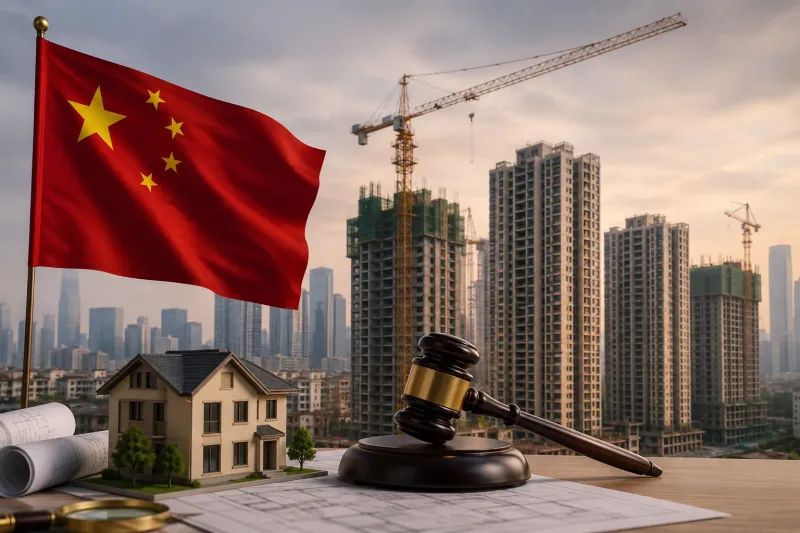
China is tightening housing rules again, aiming to contain financial risks that have accumulated in the property sector while steering the market toward a more sustainable footing. The shift reflects Beijing’s effort to balance multiple goals at once: preventing a renewed debt-driven real-estate boom, protecting households and banks from sharp price swings, and keeping construction and local-government finances from deteriorating further.

Binzhou, a city in China’s Shandong province, has rolled out a housing trade-in scheme designed to lower the friction of moving and rekindle demand in a sluggish property market. By encouraging households to swap older homes for newly built units—often with institutional support to handle the resale process—the policy aims to unlock pent-up upgrading demand, reduce inventories, and restore confidence without relying solely on broad, nationwide stimulus.
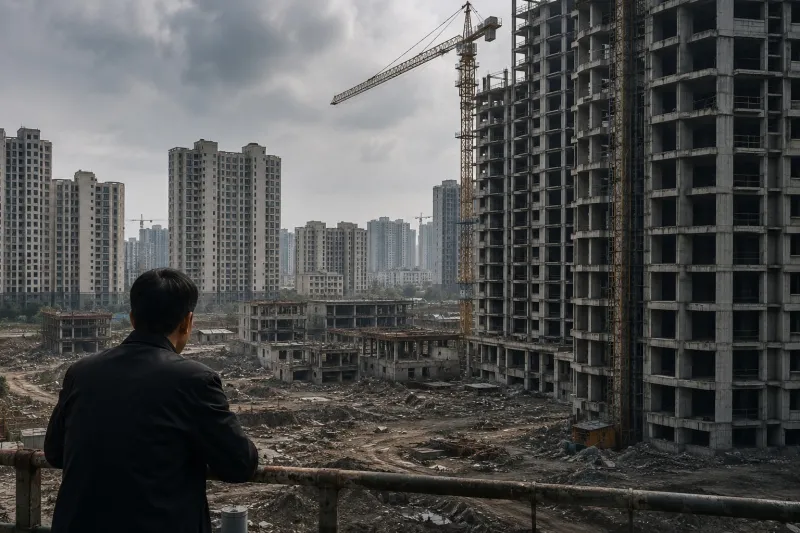
China’s property sector continues to face significant challenges as the fallout from the collapse of major developers weighs on housing demand, prices and market confidence.
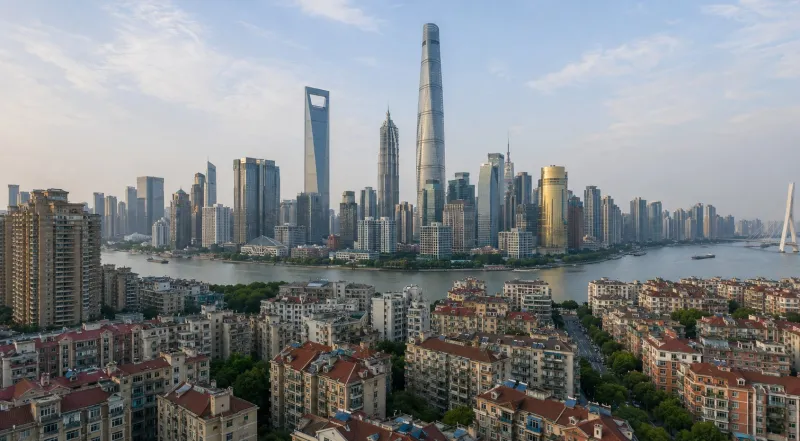
Shanghai has introduced new measures to support its residential property market as authorities intensify efforts to stabilize housing demand and restore confidence in China's struggling real estate sector.
The latest policy adjustments, which took effect on August 21, are designed to make home purchases more accessible while encouraging existing homeowners to upgrade to newer properties.

The collapse of China Evergrande has reached another major milestone after founder Hui Ka Yan was sentenced to life imprisonment by a court in Shenzhen over financial crimes linked to the property developer’s downfall.
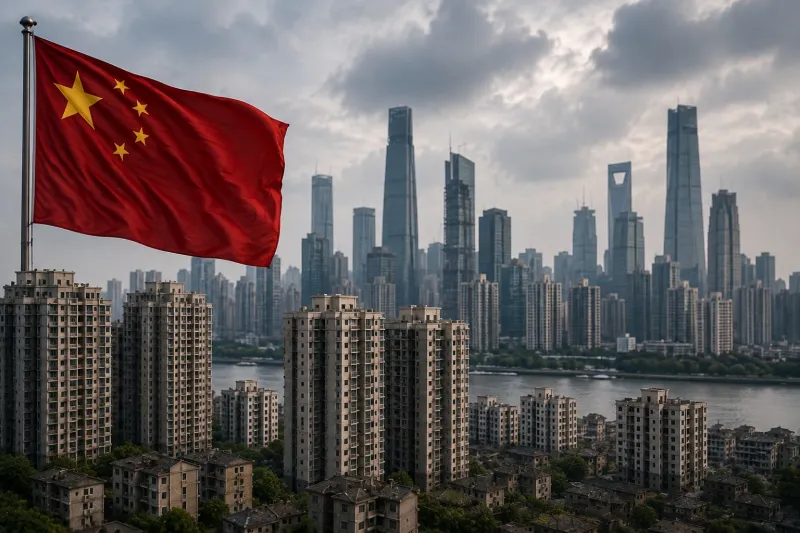
China’s property market continues to face significant pressure as weak demand and uneven market conditions weigh on home prices across the country. New-home prices remained broadly subdued in July, highlighting the challenges facing the world’s second-largest economy as policymakers seek to stabilize the housing sector.
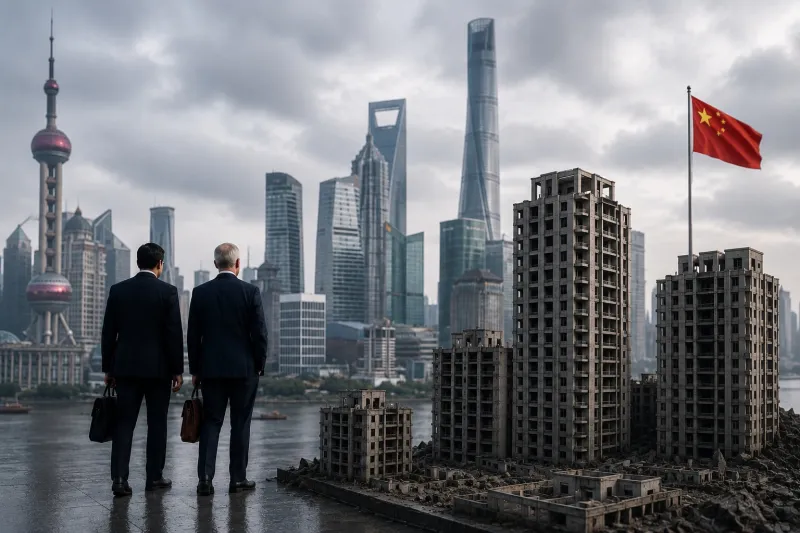
Global real estate investors are increasingly choosing certainty over optionality in China, and two prominent names—KKR and AEW—are emblematic of that shift. Both firms have been moving to reduce or exit China property holdings at sizable losses, reflecting a recalibration of risk after years of market stress, falling valuations, and tighter financing conditions. Their actions highlight how capital is repricing China real estate and how exit routes, once assumed to be plentiful, now demand compromises on price, timing, and structure.

China’s economic slowdown is no longer a domestic story confined to weaker consumption and softer industrial output. It is increasingly a global property market issue, reshaping capital flows, construction demand, leasing decisions, and risk pricing across regions. As investors reassess exposure to China-linked growth and developers face tighter funding conditions, the knock-on effects are emerging in everything from office vacancy assumptions to logistics pipeline timing and prime residential demand in international gateway cities.