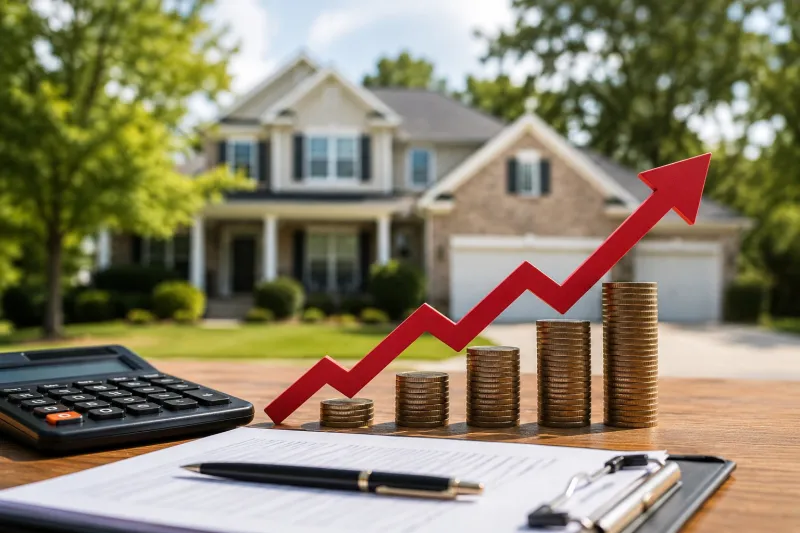

U.S. home prices keep climbing as affordability strains deepen
U.S. home prices have continued to rise even as many households struggle with high mortgage rates, limited inventory, and elevated everyday costs. The result is a market that can look surprisingly strong on the surface—steady price gains and resilient demand—while underneath, affordability pressures are reshaping who can buy, where they can buy, and what they are willing to compromise on.
- Prices rise on scarce supply
- Mortgage rates reshape demand rather than erase it
- The lock-in effect keeps homeowners on the sidelines
- Affordability hits first-time buyers the hardest
- Regional differences widen the affordability gap
- New construction helps, but not enough
- Buyers adapt with new strategies and compromises
- Investors and rentals influence local price dynamics
- Insurance, taxes, and upkeep add to the monthly burden
- What to watch next in prices and affordability
Prices rise on scarce supply
Home values have been buoyed primarily by a shortage of homes for sale. In many metros, listings remain well below pre-pandemic norms, which keeps competition alive even when borrowing costs are high. With fewer choices, buyers who are able to qualify often bid up the limited stock, supporting price growth. This supply constraint is especially visible in neighborhoods with strong schools, short commutes, and newer housing segments where turnover is already low.
Mortgage rates reshape demand rather than erase it
Higher mortgage rates have reduced purchasing power, but demand has not disappeared; it has shifted. Some buyers are extending their timelines, focusing on smaller homes, or targeting less expensive suburbs and secondary cities. Others are using larger down payments, rate buydowns, or adjustable-rate products to make monthly payments work. The market impact is less about a uniform drop in interest and more about a new sorting mechanism that favors higher-income and better-capitalized households.
The lock-in effect keeps homeowners on the sidelines
Many owners refinanced or bought when rates were much lower, and they are reluctant to trade a low monthly payment for a substantially higher one. This “lock-in” effect reduces move-up activity and keeps existing-home inventory tight. Even homeowners who want to relocate for work or lifestyle reasons may choose to delay, rent out their property, or remodel instead of selling. The practical outcome is fewer listings and continued upward pressure on prices, particularly in markets with stable employment.
Affordability hits first-time buyers the hardest
First-time buyers face the steepest barriers because they typically have smaller down payments and less equity. Rising prices increase the required cash to close, while higher rates raise monthly payments and debt-to-income ratios. These hurdles can force difficult tradeoffs, such as accepting longer commutes, prioritizing condos over single-family homes, or postponing homeownership entirely. In many areas, rent levels also remain high, making it harder to save for a down payment.
Regional differences widen the affordability gap
National averages hide large local variations. Some high-cost coastal markets have cooled relative to their peaks, yet they remain expensive compared with incomes. Meanwhile, parts of the Midwest and South can still offer lower price points, but fast population growth and limited building can push prices up quickly there too. Buyers increasingly compare metro areas based on the relationship between wages, taxes, insurance, and housing costs rather than price alone.
New construction helps, but not enough
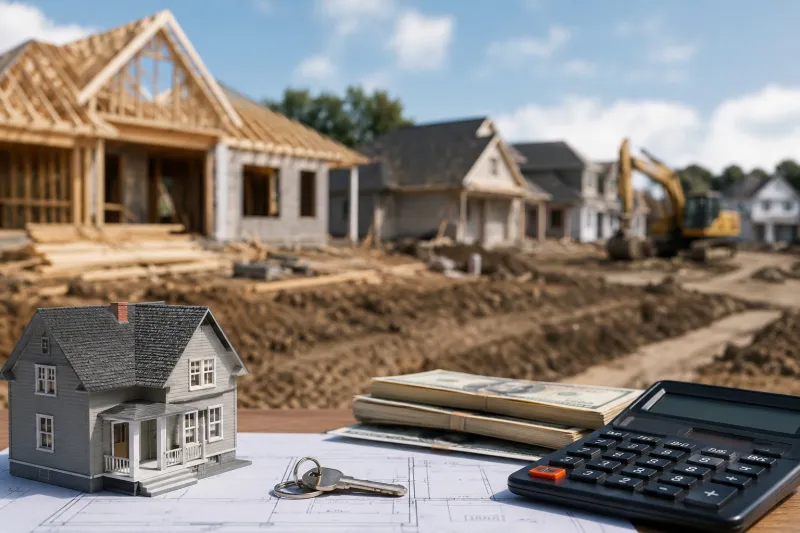
Builders have increased activity in many markets, and new homes sometimes represent a larger share of available inventory than usual. However, construction faces constraints that limit how quickly supply can expand, including land availability, permitting timelines, labor shortages, and material costs. Builders also tend to concentrate on higher-margin product, which may not align with entry-level affordability needs. Incentives like mortgage rate buydowns can support sales, but they do not fully offset the broader shortage.
Buyers adapt with new strategies and compromises
To cope with affordability, buyers are adjusting both expectations and tactics. Common approaches include:
- Choosing smaller homes or different property types, such as townhomes or condos
- Shopping farther out or targeting emerging neighborhoods
- Negotiating seller concessions to reduce upfront costs or buy down rates
- Using co-buying arrangements or family assistance for down payments
These adaptations can keep demand active, but they also change the profile of “winning” bids and influence what kinds of homes sell fastest.
Investors and rentals influence local price dynamics
Investor activity has cooled in some places as financing costs rose and rent growth normalized, but it remains an important factor in certain markets. Where rental demand is strong, investors can compete with owner-occupants, particularly for lower-priced single-family homes. At the same time, owners who do not want to sell may opt to rent their homes, increasing rental supply but keeping for-sale inventory constrained. These crosscurrents can sustain prices even when traditional buyer demand softens.
Insurance, taxes, and upkeep add to the monthly burden
Affordability is increasingly shaped by costs beyond the mortgage. In some regions, homeowners insurance has risen sharply due to climate-related risks, rebuilding costs, and insurer pullbacks. Property taxes can also reset higher after a sale, increasing monthly expenses for new buyers. Combined with maintenance and utilities, these ongoing costs can narrow the set of homes a buyer can reasonably carry, reinforcing demand for smaller or newer properties with fewer near-term repairs.
What to watch next in prices and affordability
The near-term path of home prices will likely depend on how quickly inventory improves relative to demand. Key indicators include listing growth, months of supply, wage trends, and the direction of mortgage rates. Also important are policy and market responses that could ease constraints, such as zoning reform, faster permitting, and expanded entry-level construction. If rates decline meaningfully, pent-up demand could re-enter quickly, supporting prices unless supply rises enough to absorb it.
Writer focused on delivering informative, accessible content