
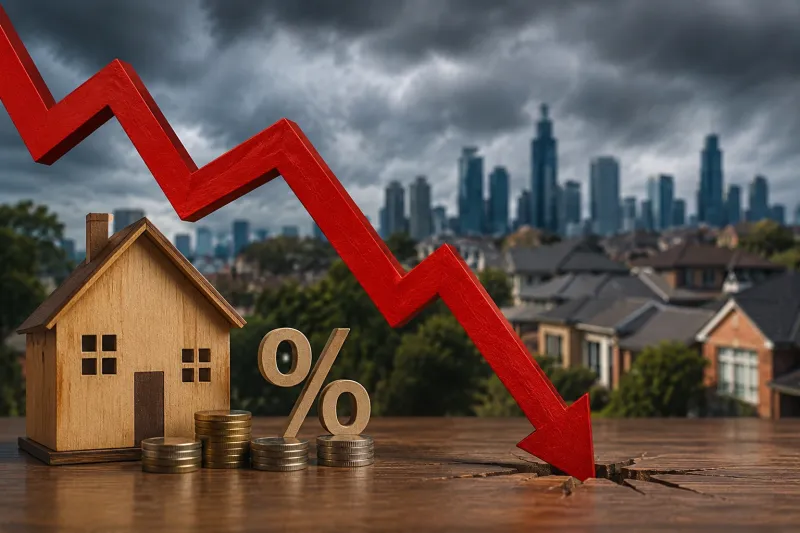
Australia’s housing market is entering a more fragile phase as policymakers revisit investor tax settings while interest rates remain restrictive. After years of resilience supported by migration-driven demand and tight rental conditions, analysts are now weighing a scenario where prices fall up to 10% in some segments if tax reforms dampen investor appetite and high borrowing costs keep owner-occupiers cautious. The potential downturn would not be uniform: it would vary sharply by city, property type, and buyer cohort.

As New York debates higher taxes on luxury real estate and high-income residents, Citadel is reinforcing its long-term bet on Miami—one of the most visible corporate relocations of the post-pandemic era. The contrast between New York’s push for additional revenue and Miami’s pro-growth posture is sharpening decisions for firms, talent, and wealthy households that can choose where to live and invest.

Dubai’s property market has shown renewed resilience, with transaction activity and pricing in several segments stabilizing after periods of volatility. Yet the regional security backdrop—shaped by war-related risks linked to Iran—has introduced a new layer of uncertainty for investors, developers, and tenants. This article examines how geopolitical stress is influencing sentiment, financing, and demand patterns, and why Dubai’s market mechanisms and policy toolkit are helping the sector absorb shocks while continuing to attract global capital.

Whitbread’s shares slipped after the owner of Premier Inn outlined a plan to pursue up to £2bn in property sale-and-leaseback transactions, a move that investors read as a meaningful shift in how the group wants to fund growth and manage its balance sheet. While monetising real estate can unlock capital and sharpen returns, it can also raise questions about future rent commitments, earnings resilience, and whether the company is trading long-term asset backing for near-term flexibility.

A UK-based property company is pushing into the French market at a moment when higher interest rates, cautious lenders, and uneven price expectations are testing real estate confidence across Europe. Rather than waiting for a clear upswing, the firm is betting that selective acquisitions, local partnerships, and disciplined underwriting can turn uncertainty into opportunity—provided it navigates regulation, taxation, and tenant demand with precision.

Germany’s housing market is entering an unusual phase: rents keep climbing while purchase prices in many areas have stopped rising or have softened. Higher financing costs, tighter lending, and cautious buyers have cooled transactions, yet a persistent shortage of rental homes and strong demand in growing cities continue to push rents upward. This divergence is changing how households calculate affordability, how landlords and investors assess returns, and how policymakers think about supply, regulation, and social stability.

Escalating conflict risk involving Iran is rippling far beyond the Middle East, and UK housing is feeling the shock. With energy markets on edge, inflation expectations twitching and interest-rate paths suddenly less predictable, several forecasters have pared back their outlook for UK house price growth—some cutting projections by around half as a direct response to the renewed geopolitical risk premium.

CapitaLand’s newly secured $1.9 billion real estate mandate is more than a headline number—it is a market signal. In a period marked by uneven valuations, higher funding costs, and cautious capital deployment, a mandate of this scale suggests that institutional investors see both resilience and opportunity in selective real estate strategies. The move also underscores how large managers with deep operating platforms are increasingly favored to source deals, manage risk, and execute asset-level improvements.
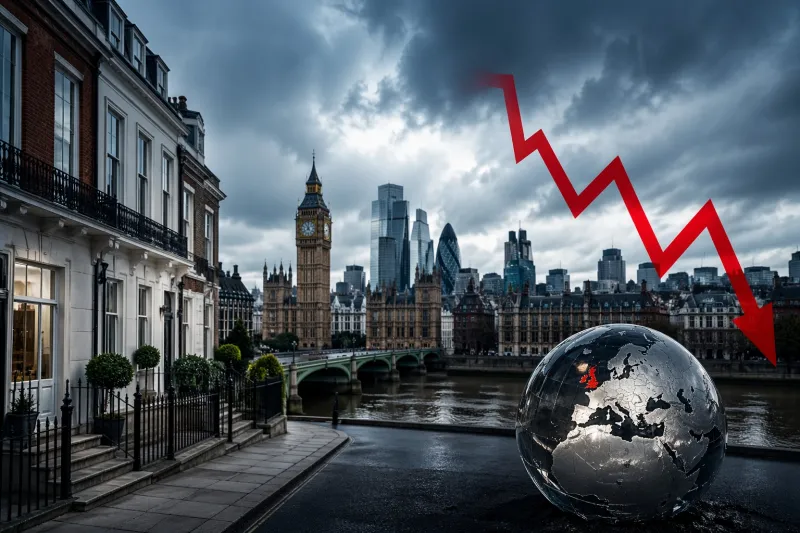
Once the default destination for global wealth, London’s prime housing market is now being counted among the weakest performers internationally. Price growth has lagged comparable cities, transaction volumes have thinned, and the buyer mix has shifted as taxes, regulation, and currency dynamics reshape demand. The result is a market that still trades on prestige, but no longer on momentum.