Global Commercial Construction in 2025–2026: Activity, Trends, and Major Projects
Commercial Construction Growth Outlook
The global commercial construction sector covering offices, retail, data centers, industrial facilities, and mixed-use property is evolving against a backdrop of economic uncertainty, rapid technological change, and shifting demand patterns. Industry forecasts suggest continued expansion in key segments, supported by long-term infrastructure needs and digital transformation, even as some traditional project types face slower growth.
Engineering and Construction Industry Outlook
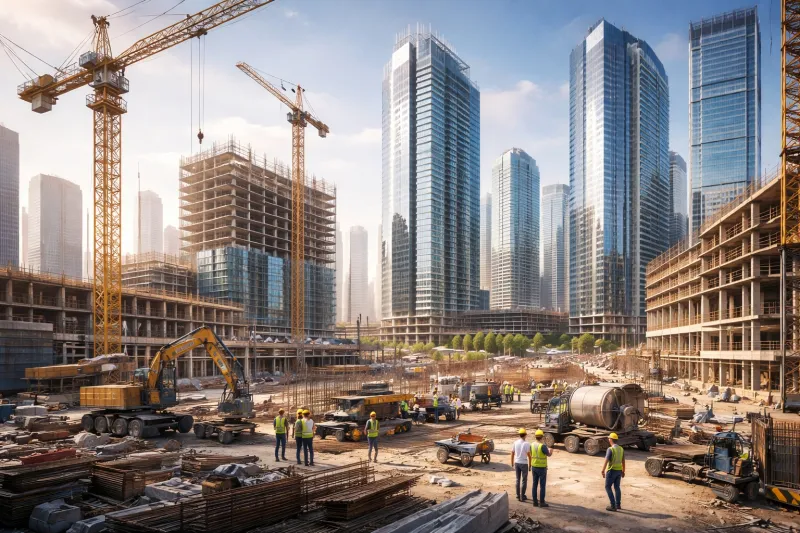
Recent analysis shows the broader engineering and construction industry experiencing tested growth momentum as 2025 closes, with commercial and non-residential construction remaining sensitive to economic headwinds like interest rates and material costs. Firms are recalibrating their strategies to sustain profitability and navigate supply chain constraints.
Commercial Real Estate Trends for 2026
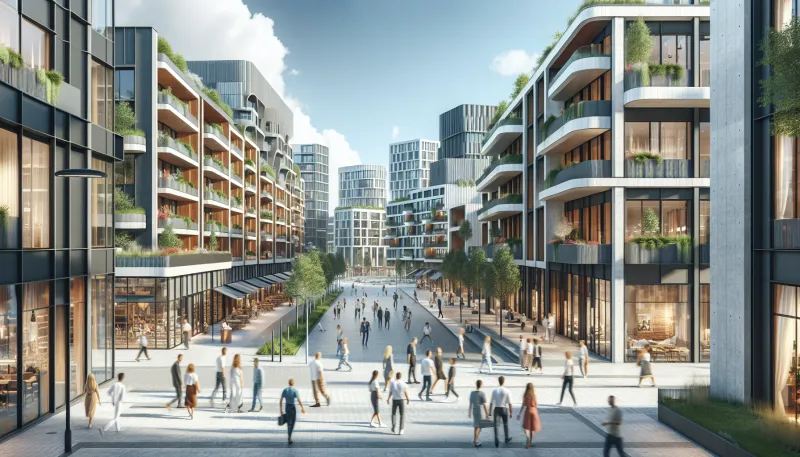
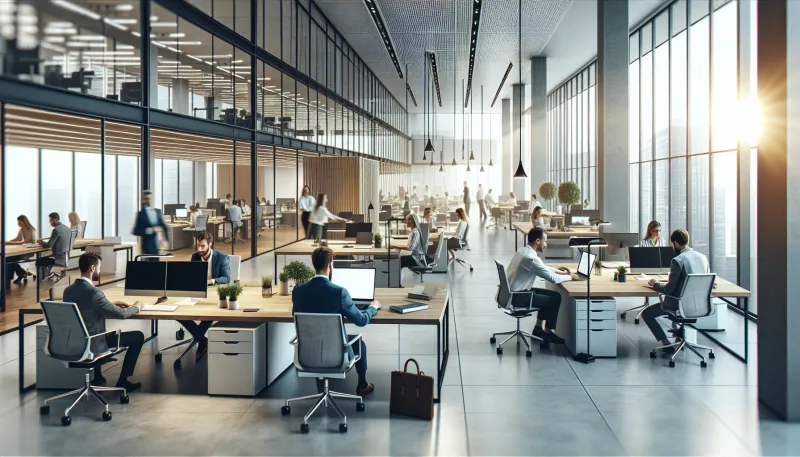
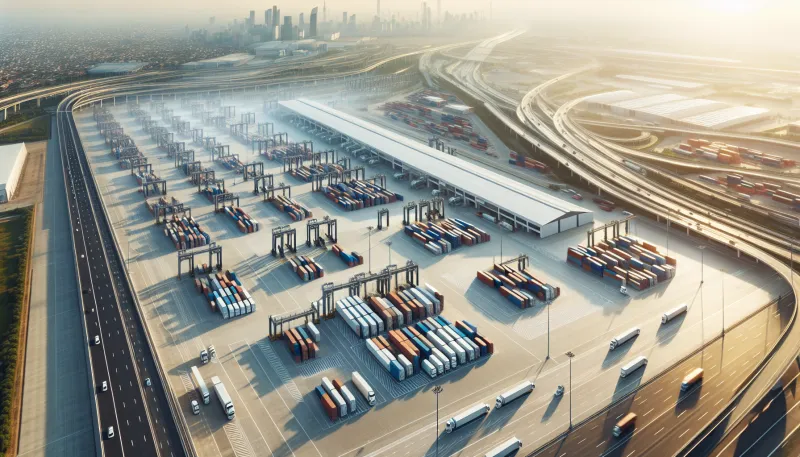
A 2026 global real estate outlook highlights six major forces reshaping commercial property markets, driven by evolving occupier demands, sustainability expectations, and post-pandemic workspace dynamics. While office and retail segments adapt to hybrid working trends and e-commerce pressures, industrial and logistics properties continue to attract investment.
Data Centers: A Leading Source of Commercial Construction Growth
One of the most dynamic areas in commercial construction is data center development. As AI, cloud computing, and digital infrastructure expand globally, construction of hyperscale and edge data centers has surged. Projects in Texas, for example including large campuses like Data City and HyperGrid raise the profile of the U.S. as a hub for digital infrastructure builds.
Experts also note that data center construction is emerging as a dominant driver of new commercial work worldwide, with facilities integrating advanced cooling systems, sustainability features, and high-capacity power infrastructure to support AI workloads.
Early Signs of Commercial Market Rebound
Despite challenges in parts of the U.S. and European office markets, recent commentary from property analysts points to encouraging signs of rebound. Limited supply and renewed investor interest in quality assets are starting to narrow return gaps, suggesting that commercial real estate could stabilize in key regions through 2026.
Key Drivers Shaping the Sector in 2025–2026
- Technological innovation: Digital tools like BIM, AI-driven project management, and digital twin platforms are transforming planning and execution, boosting efficiency and sustainability outcomes.
- Market divergence: While megaprojects and infrastructure builds expand, traditional office and retail construction face slower growth, creating a split in commercial construction performance.
- Sustainability focus: Green construction methods, energy efficiency and carbon reduction measures are increasingly required by investors, regulators, and occupiers alike.
Major Ongoing and Upcoming Commercial Projects
- Data Center Megaprojects: Large-scale AI and cloud computing facilities continue to attract significant capital, influencing regional construction priorities.
- Expo Real Asia Pacific 2026: Slated for June in Singapore, this major industry event will spotlight real estate and infrastructure investment trends across Asia Pacific, showcasing commercial developments and strategic partnerships in the sector.
Outlook Into 2026
While global non-residential construction faces moderate near-term growth projections, sectors anchored by digital infrastructure, life sciences, and logistics are positioned for robust expansion. Strategic investments, coupled with technological adoption and sustainability mandates, are shaping a complex but opportunity-rich landscape for commercial real estate and construction worldwide
Writer focused on delivering informative, accessible content