Building for resilience: Engineering in the age of climate risk
- Understanding the scope of climate risk
- Incorporating resilience into engineering principles
- Innovative materials for climate-adaptive structures
- Smart infrastructure and real-time monitoring
- Nature-based engineering solutions
- Retrofitting existing infrastructure
- Challenges in balancing cost and resilience
- Policy and regulatory frameworks supporting resilient engineering
- Education and capacity building for future resilience engineers
Understanding the scope of climate risk
Climate risk encompasses a wide array of hazards, including flooding, drought, heatwaves, hurricanes, and rising sea levels. Engineers must first grasp the geographical and temporal scales of these risks to design effective solutions. This requires integrating climate science data with local environmental conditions and social vulnerabilities, ensuring infrastructure is tailored to real-world challenges.
Incorporating resilience into engineering principles
Resilience in engineering goes beyond durability, emphasizing the ability to absorb disturbances and recover quickly. Engineers now incorporate this by prioritizing redundancy, flexibility, and adaptability in designs. Rather than simply preventing failure, resilient structures aim to maintain functionality during crises.
Innovative materials for climate-adaptive structures
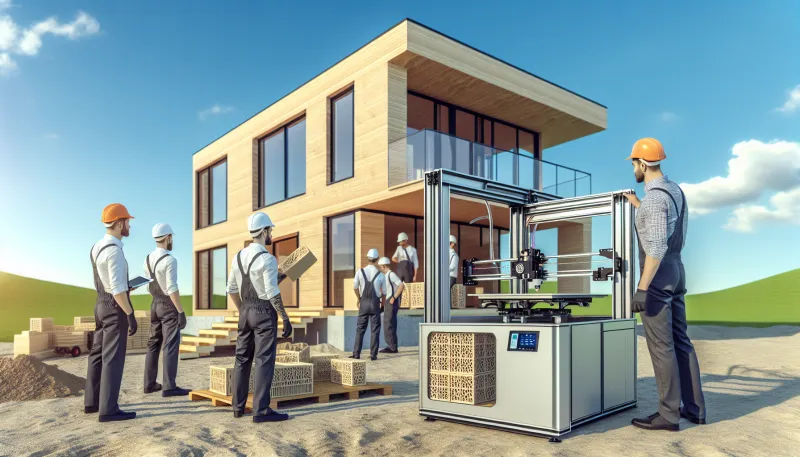
New materials play a critical role in climate-adaptive engineering. From self-healing concrete that repairs cracks caused by temperature fluctuations to corrosion-resistant alloys that withstand saltwater exposure, innovation in materials science enables infrastructure to last longer under harsh conditions, reducing maintenance and replacement costs.
Smart infrastructure and real-time monitoring
Integrating sensors and IoT technologies into engineering projects allows for continuous monitoring of structures. Smart infrastructure can detect early signs of stress or damage caused by extreme weather events, enabling timely interventions that prevent catastrophic failures. This proactive approach enhances safety and extends the lifespan of critical assets.
Nature-based engineering solutions
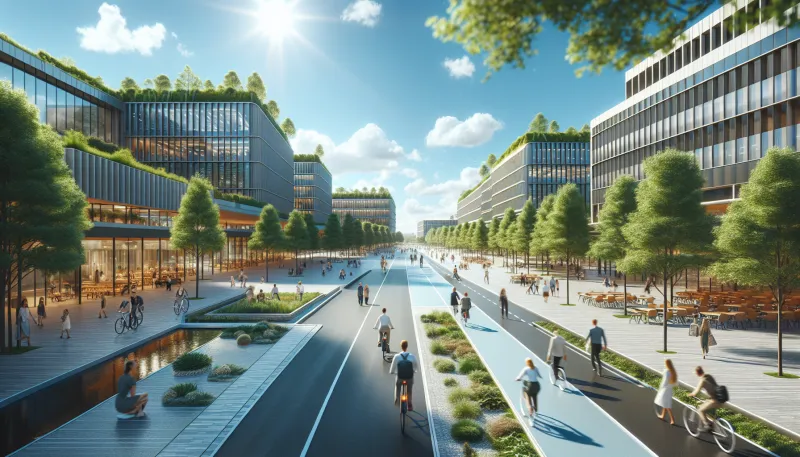
Leveraging ecosystems is a growing trend in climate-resilient design. Solutions such as restored wetlands for flood control, green roofs to mitigate urban heat, and mangrove planting for coastal protection demonstrate how blending engineering with natural processes creates sustainable, cost-effective resilience.
Retrofitting existing infrastructure
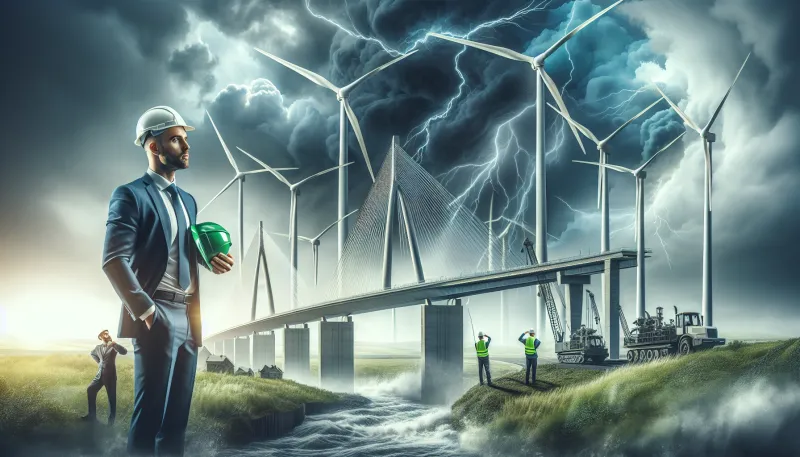
Much of today's infrastructure was built without climate risk in mind. Retrofitting involves upgrading existing structures to better withstand climate impacts. Whether reinforcing bridges to resist flooding or elevating roads to avoid sea-level rise, retrofitting extends service life and buys critical time for communities.
Challenges in balancing cost and resilience
While resilience is essential, it often comes with increased upfront costs. Engineers must navigate budget constraints and competing priorities, advocating for investments that pay off over the long term through reduced disaster damages and faster recovery. Cost-benefit analyses and stakeholder engagement are crucial tools in this process.
Policy and regulatory frameworks supporting resilient engineering
Effective resilience engineering depends on supportive policies and standards. Governments and regulatory bodies worldwide are updating codes to require climate risk assessments and resilient design practices. These frameworks ensure that resilience becomes a mandatory criterion rather than an optional goal.
Education and capacity building for future resilience engineers
Preparing engineers to build for resilience starts with education. Universities and professional programs are increasingly emphasizing climate risk, sustainable design, and systems thinking. Continuous professional development and interdisciplinary collaboration help equip engineers with the skills needed to tackle evolving climate challenges.
Tommy is a property-passionate journalist who covers the forces shaping housing and the built environment. With a data-driven approach and a reporter’s curiosity, he writes on market cycles, urban development, PropTech, and policy—always connecting numbers to everyday lives. [Name]’s work blends clear analysis with on-the-ground reporting to help readers navigate trends, opportunities, and risks across residential and commercial real estate.