
Gulf markets rally as U.S.–Iran progress sparks a real estate surge
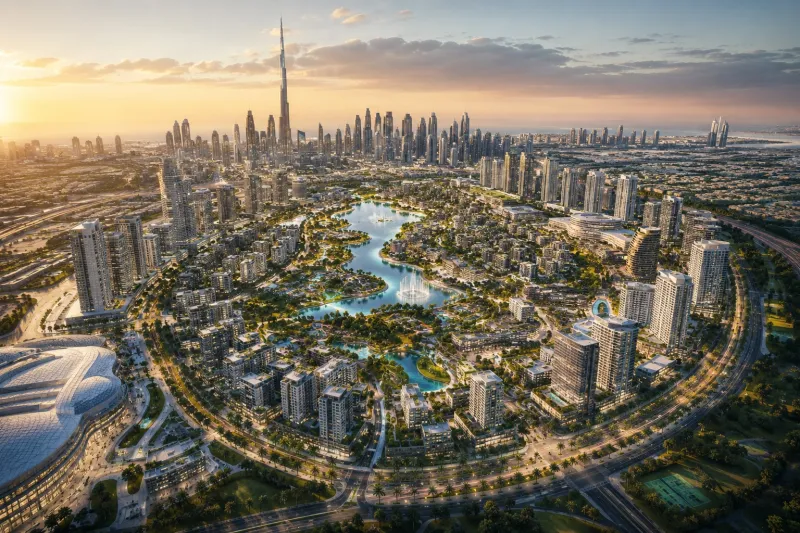
Equity markets across the Gulf advanced as signs of progress in U.S.–Iran diplomacy improved regional risk sentiment and encouraged investors to rotate into cyclicals, led by real estate. Developers and property-linked names outperformed on expectations that de-escalation could support capital flows, tourism, trade corridors, and financing conditions—factors that can quickly translate into higher transaction volumes and firmer pricing in key Gulf hubs.
- Diplomatic momentum reshapes risk pricing
- Why real estate stocks led the rally
- Energy linkage: From oil risk premium to domestic liquidity
- Financing conditions and rate expectations
- Capital flows and foreign participation
- Tourism, aviation, and the demand for prime property
- What the rally says about investor positioning
- Policy and regulation: A supportive backdrop matters
- Key risks investors still monitor
- How to read the next signals in Gulf real estate equities
Diplomatic momentum reshapes risk pricing
Even incremental U.S.-Iran progress tends to be felt immediately in Gulf asset prices because it alters the probability distribution of adverse outcomes. Investors typically react by lowering the geopolitical risk premium embedded in equities, credit, and forward currency hedges. In practical terms, that can mean tighter credit spreads, improved equity multiples, and a stronger appetite for sectors most sensitive to confidence and mobility. Real estate, which relies on long-duration expectations and consistent transaction pipelines, is often among the earliest beneficiaries when perceived tail risks recede.
Why real estate stocks led the rally
Developers and property managers are leveraged to sentiment because demand is influenced by household and corporate willingness to commit capital over long timeframes. When geopolitical headlines stabilize, the market starts to price in fewer disruptions to visitor inflows, fewer delays to corporate relocations, and steadier high-net-worth demand. Listed real estate companies can also re-rate quickly as investors anticipate higher pre-sales, stronger occupancy, and improved cash conversion. The sector’s sensitivity to both confidence and financing makes it a natural leader during risk-on sessions sparked by diplomatic breakthroughs.
Financing conditions and rate expectations
Property equities respond disproportionately to changes in financing conditions because the sector is capital-intensive and valuation-sensitive. A risk-on environment can compress funding costs for developers and improve access to bond and sukuk markets, while also encouraging banks to compete more aggressively in mortgage lending. If calmer geopolitics contributes to a broader decline in volatility, investors may begin to price a gentler rate path, lifting real estate valuations through lower discount rates. The combination of improved credit availability and better affordability expectations can quickly feed into stronger sales momentum.
Capital flows and foreign participation
Foreign investors often view Gulf real estate as both a yield play and a diversification hedge, but they demand clarity around regional stability. Diplomatic progress can reduce the frictional cost of investing, with less need for heavy hedging, lower perceived headline risk, and greater confidence in exit liquidity. Listed developers may benefit first as they offer immediate exposure without transaction costs typical of physical property purchases. Over time, sustained stability can also support direct real estate buying, which in turn strengthens developers’ pricing power and land monetization plans.
Tourism, aviation, and the demand for prime property
Gulf real estate demand is closely tied to tourism and international connectivity, particularly in markets built around hospitality, retail, and short-stay rentals. When tensions ease, airlines, travel operators, and event organizers tend to plan with greater confidence, supporting footfall and occupancy across prime districts. That boosts revenue expectations for property owners and enhances the outlook for mixed-use developments anchored by hotels and malls. For investors, the improved visibility can justify higher earnings estimates and a stronger pipeline of project launches.
What the rally says about investor positioning
Outperformance in real estate often signals a broader shift from defensive to cyclical positioning. Portfolio managers who had been underweight risk assets may use a diplomatic catalyst to rebuild exposure, starting with liquid names that offer beta to sentiment and domestic growth. Developers also tend to have clear catalysts, pre-sales updates, handovers, and new project announcements that can magnify momentum once the market narrative turns supportive. In this context, the rally reflects not only optimism about geopolitics but also a re-opening of the risk budget across regional portfolios.
Policy and regulation: A supportive backdrop matters
Real estate performance in the Gulf is shaped by policy choices that affect residency, ownership rules, taxation, and development permitting. When external risks subside, investors tend to refocus on structural reforms such as visa programs, foreign ownership expansions, and initiatives aimed at improving transparency and market depth. Governments may find it easier to execute longer-term housing and urban development strategies in a calmer regional environment. A stable diplomatic climate also helps regulators maintain consistent messaging—important for sustaining buyer confidence and preventing stop-start cycles in transaction activity.
Key risks investors still monitor
Markets can quickly reverse if diplomatic progress stalls or if new flashpoints emerge, so investors keep a close eye on headline sensitivity and volatility. Real estate also faces sector-specific risks, including project execution, construction cost inflation, and the potential for localized oversupply in certain segments. Credit conditions remain crucial; any tightening in mortgage availability or developer funding can slow sales and compress margins. Many investors, therefore, balance optimism with selectivity, favoring firms with strong balance sheets, visible pre-sales, and diversified revenue streams.
How to read the next signals in Gulf real estate equities
The durability of the move will be tested by operational indicators rather than headlines alone. Investors typically track a short list of high-frequency signals:
- Pre-sales and booking trends for new launches, indicating demand depth.
- Mortgage growth and lending standards, reflecting affordability and bank risk appetite.
- Occupancy and ADRs in hospitality-linked assets are a proxy for tourism strength.
- Cash collections and handovers, which determine balance-sheet resilience.
- Land acquisitions and pipeline quality, shaping multi-year earnings visibility.
If these metrics remain firm alongside continued diplomatic engagement, real estate stocks may retain leadership within Gulf equities as investors price a more stable, growth-friendly regional outlook.
Writer focused on delivering informative, accessible content