Brisbane and Adelaide surge ahead in Australia’s luxury property race
Australia’s luxury housing hierarchy is being reshaped as Brisbane and Adelaide increasingly outshine Sydney and Melbourne on key measures such as price momentum, buyer competition, and lifestyle-driven demand. While the traditional giants remain the most expensive markets in absolute terms, the latest rankings in premium performance are tilting toward cities where high-end stock is tighter, interstate migration is stronger, and prestige suburbs are gaining global visibility.
- What “luxury rankings” are actually measuring now
- Why Brisbane is outperforming in the premium segment
- Adelaide’s quiet rise from “value city” to prestige contender
- Sydney remains the price king, but rankings reward speed and scarcity
- Melbourne’s premium market is recalibrating, not collapsing
- Prestige supply constraints are sharper in Brisbane and Adelaide
- The new luxury buyer: lifestyle, flexibility, and “liveable prestige”
- Interest rates and borrowing capacity hit markets differently at the top end
- Suburb-level hotspots reshaping national perceptions
- What this shift means for sellers, buyers, and developers in 2026
What “luxury rankings” are actually measuring now
In today’s market, “luxury rankings” rarely mean a simple list of the most expensive postcodes. They typically combine several indicators: growth in the top quartile (or top decile), clearance rates and days on market for prestige listings, the share of transactions above high price thresholds, and the depth of qualified demand relative to available supply. Brisbane and Adelaide are climbing because they score strongly on momentum and competition, even if Sydney and Melbourne still dominate on total price levels and the number of trophy homes.
Adelaide’s quiet rise from “value city” to prestige contender
Adelaide’s climb is rooted in a different dynamic: a historically underbuilt prestige pipeline, limited turnover in blue-chip suburbs, and a growing cohort of higher-income buyers seeking stability and space. The city’s premium market benefits from relatively low volatility, which appeals to risk-aware purchasers and family offices looking for defensive exposure. As a result, prestige homes that do come to market can attract intense interest, pushing up prices and improving ranking metrics tied to competition, speed of sale, and the frequency of strong results above reserve.
Sydney remains the price king, but rankings reward speed and scarcity
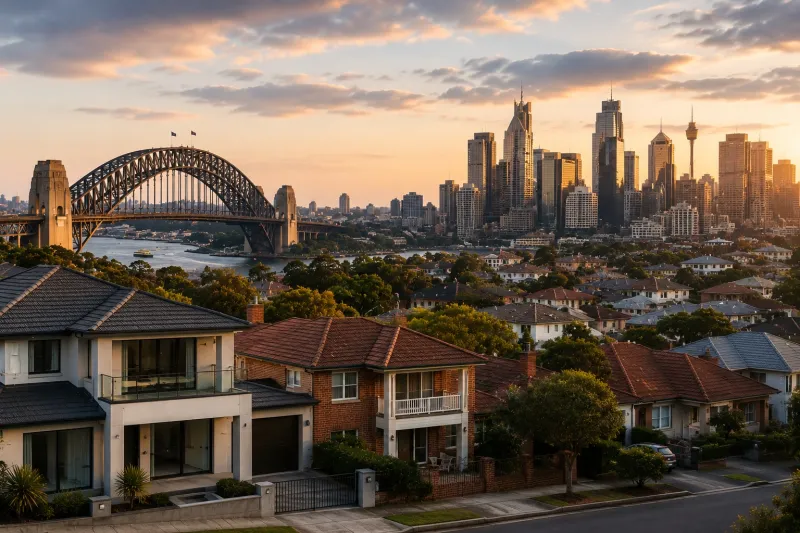
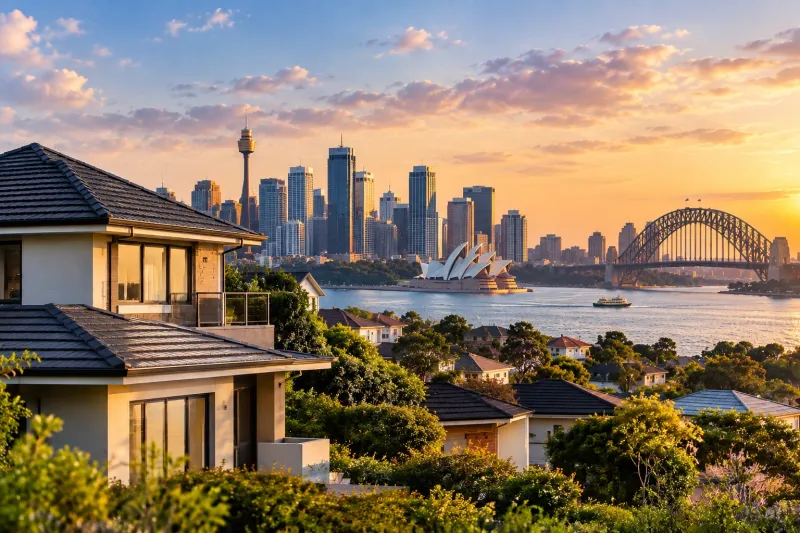
Sydney continues to command Australia’s highest luxury price tags, with globally recognisable harbourfront addresses and an unmatched concentration of high-net-worth households. Yet many performance-based rankings now reward markets where demand growth outpaces supply growth most sharply. In Sydney, the luxury segment can be segmented and sensitive to sentiment, interest-rate expectations, and stock quality; when buyers become selective, days on market can lengthen for anything that is not best-in-class. This can soften “ranking” outcomes even while headline prices remain extraordinary.
Prestige supply constraints are sharper in Brisbane and Adelaide
One of the clearest drivers of the ranking change is the intensity of supply constraints in the upper end of Brisbane and Adelaide. When prestige owners are reluctant to sell, and new luxury construction is limited by land scarcity, planning complexity, or replacement-cost pressures, the market becomes highly competitive for the few listings that meet buyer expectations. In such conditions, rankings tied to clearance rates, sales-to-listings ratios, and price growth in the top tier can swing decisively in favour of the tighter market.
The new luxury buyer: lifestyle, flexibility, and “liveable prestige”
Luxury demand is increasingly shaped by lifestyle and flexibility rather than proximity to a single CBD. High-income households prioritise work-from-anywhere readiness, outdoor space, wellness infrastructure, and everyday convenience, such as schools, dining, and coastal or river access, over pure status addresses. Brisbane and Adelaide align well with this “liveable prestige” profile, where buyers can secure architectural homes with land and privacy while retaining strong amenity. For many, the perceived uplift in daily life justifies premium pricing and fuels faster decision-making.
Interest rates and borrowing capacity hit markets differently at the top end
Higher rates reduce borrowing capacity, but the effect varies across cities and buyer types. Sydney and Melbourne luxury buyers often face larger absolute debt requirements, making them more sensitive to financing costs even when incomes are high. In Brisbane and Adelaide, some premium purchases still sit at relatively lower price points, which can widen the pool of eligible buyers and sustain competitive tension. Additionally, buyers upgrading from expensive southern markets may arrive with significant equity, allowing them to transact with smaller loans or all-cash purchases, another factor that can lift ranking metrics like speed of sale.
Suburb-level hotspots reshaping national perceptions
Rankings are ultimately built from suburb-level performance, and several prestige pockets in Brisbane and Adelaide are now setting the pace. In Brisbane, river-adjacent enclaves and established inner suburbs have benefited from limited turnover and strong renovation activity that raises the overall quality of available stock. In Adelaide, tightly held eastern and coastal-adjacent prestige areas are seeing renewed competition, particularly for character homes with modern upgrades. These micro-markets create a narrative of outperformance that carries into national luxury league tables.
What this shift means for sellers, buyers, and developers in 2026
For sellers in Brisbane and Adelaide, the new rankings signal an opportunity to capitalise on scarcity provided pricing is disciplined, and presentation meets luxury expectations. For buyers, the shift suggests that waiting for “old hierarchy” discounts may be costly in the fastest-moving prestige suburbs, where quality listings can attract multiple bidders. Developers and renovators should note that the premium market is increasingly rewarding turnkey, design-led homes with strong sustainability credentials and low ongoing maintenance. Across all cities, the competitive edge is moving toward properties that combine standout architecture with effortless liveability.
Writer focused on delivering informative, accessible content