

China’s property market continues to face significant pressure as weak demand and uneven market conditions weigh on home prices across the country. New-home prices remained broadly subdued in July, highlighting the challenges facing the world’s second-largest economy as policymakers seek to stabilize the housing sector.

Across Portugal and Spain, the housing market is tightening as population shifts, tourism-driven demand, and investment flows collide with years of underbuilding and slow permitting. Prices and rents are rising faster than incomes in many cities, pushing residents outward and intensifying political pressure to expand supply while rethinking short-term rentals, vacant homes, and investor-led development.

South Korea is widening its housing funding toolkit to tackle two problems at once: a persistent shortage of affordable homes in key urban areas and the growing difficulty young households face when trying to buy their first property. By channeling more public-backed finance into construction, redevelopment, and buyer support, policymakers aim to increase the number of homes coming to market while lowering the upfront barriers for younger and first-time purchasers. The approach blends supply-side incentives with targeted demand-side assistance, reflecting an effort to stabilize the housing ladder without reigniting speculative pressure.
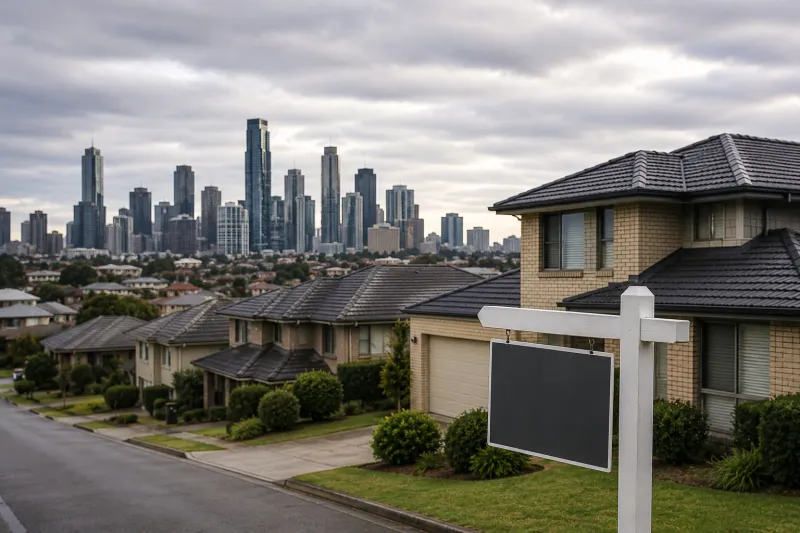
After years of relentless momentum, Australia’s housing market is losing speed. Falling or flat prices in key regions, longer selling times, and softer auction results are reshaping household expectations—and raising questions about what a property downturn means for consumption, construction, and financial stability. With interest rates higher than the ultra-low era and cost-of-living pressures still elevated, housing is increasingly acting less like an engine of growth and more like a potential drag on the broader economy.

Dubai’s real estate market has drawn $40.4 billion in foreign property investment, underscoring how the emirate continues to convert international demand into capital inflows. Buyers are weighing lifestyle, yields, and long-term residency options against a backdrop of improving global travel and a broad shift toward “safe-haven” cities. The result is a market where prime districts, off-plan launches, and income-generating rentals are increasingly shaped by cross-border decisions rather than purely domestic cycles.

Germany’s commercial real estate sector is under renewed pressure as falling valuations collide with weak growth, tighter financing and cautious occupiers. After years of cheap debt supporting pricing, investors and lenders are now recalibrating risk, while owners face tougher refinancing terms and higher requirements for energy upgrades. The result is a market where price discovery is slow, transaction volumes remain subdued and the gap between prime assets and everything else is widening.
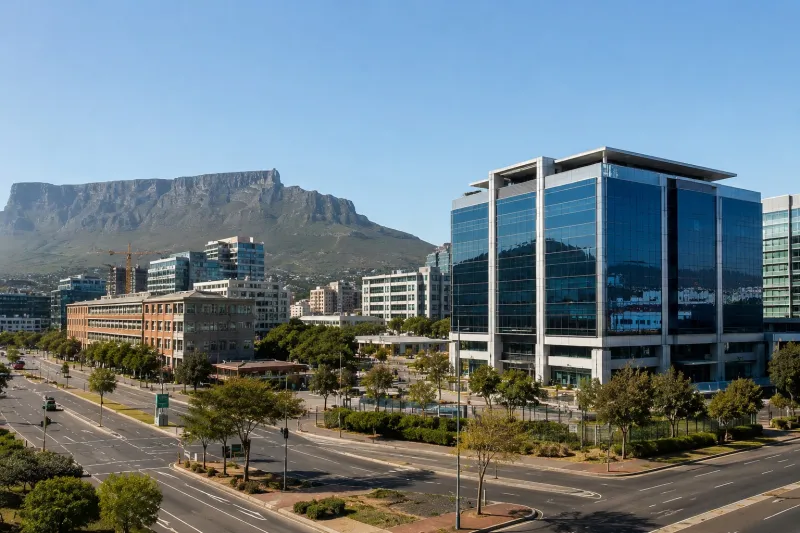
South Africa has emerged as the strongest performer in global commercial real estate, posting an 11.9% annual return that outpaces many mature markets. The result is not just a headline number: it reflects a distinctive combination of higher income yields, repricing that has improved entry points, and tenant demand patterns that have shifted toward resilient nodes. For investors and occupiers alike, the performance raises practical questions about what is driving returns, where risks are concentrated, and which segments are most likely to sustain momentum.

U.S. home prices have continued to rise even as many households struggle with high mortgage rates, limited inventory, and elevated everyday costs. The result is a market that can look surprisingly strong on the surface—steady price gains and resilient demand—while underneath, affordability pressures are reshaping who can buy, where they can buy, and what they are willing to compromise on.

After years of outsized gains and rapid swings in borrowing conditions, Australia’s housing market is shifting into a cooler phase. The most visible changes are emerging in Sydney and Melbourne, where prices are correcting faster than in many other capitals as buyers become more rate-sensitive, listings rebuild, and vendors adjust expectations. While the downturn is not uniform, the balance of power is gradually moving away from sellers in several key segments.