Surfers Paradise poised for Australia’s tallest skyscraper after Trump-linked deal
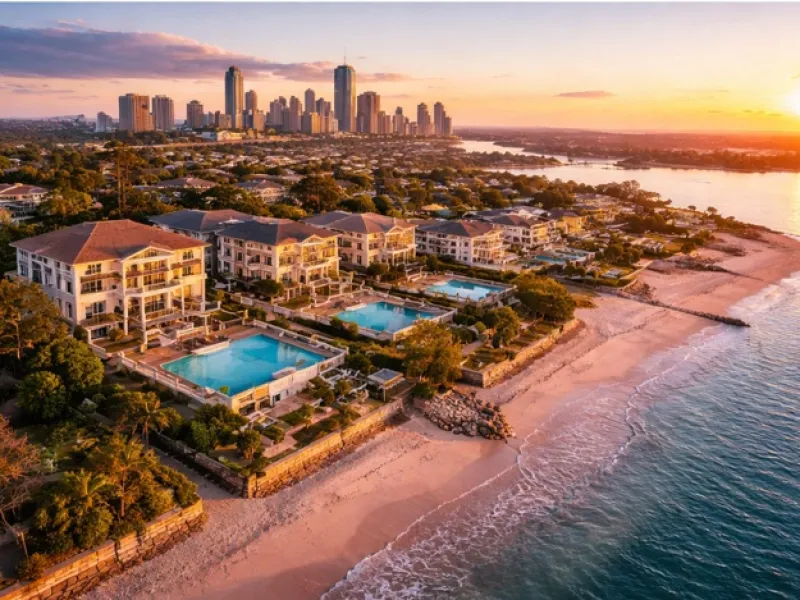
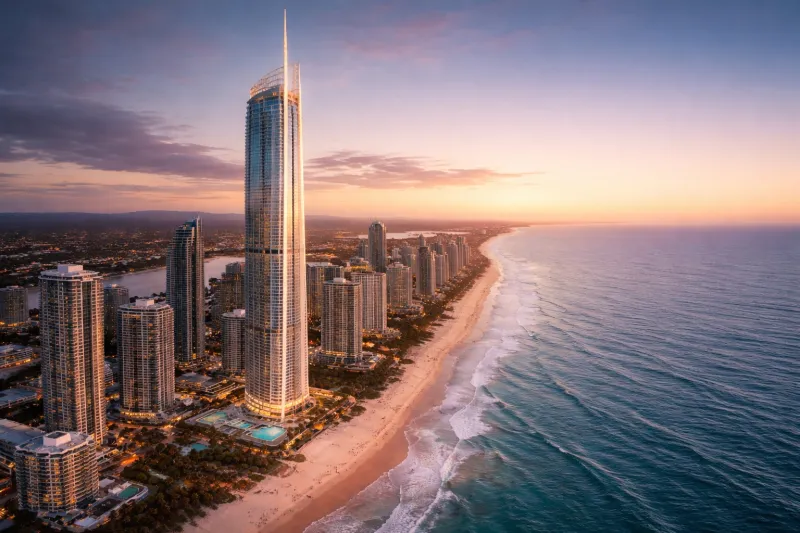
Surfers Paradise is edging closer to a new architectural landmark after a high-profile development agreement associated with the Trump brand cleared a key hurdle, setting the stage for what could become Australia’s tallest skyscraper. The proposal blends luxury residential and hotel offerings with a tourism-driven narrative aimed at reshaping the Gold Coast skyline, while reigniting debate about planning, financing, and the real-world meaning of “tallest” in a country where supertalls remain rare.
- Why Surfers Paradise is chasing a record-breaking tower
- What the Trump agreement actually changes
- From concept to approvals: the path a mega-tower must take
- How “Australia’s tallest” is defined and contested
- Engineering realities on a coastal high-rise site
- Financing and pre-sales: why the deal matters to capital
- Tourism and jobs: the economic case presented to the public
- Community concerns: shadows, congestion, and coastal character
- Sustainability expectations for a next-generation skyscraper
- What comes next: timelines, milestones, and risk points
Why Surfers Paradise is chasing a record-breaking tower
The Gold Coast has long used vertical development as a shorthand for confidence: towers signal investment, tourism growth, and an international-facing identity. In Surfers Paradise, where beachfront views translate directly into premium prices, an “Australia’s tallest” headline functions as both marketing and a competitive strategy to pull buyers, hotel guests, and global attention away from rival destinations such as Sydney and Melbourne.
Developers argue that a landmark tower can consolidate high-end accommodation and residences in a single footprint, freeing surrounding streets for upgrades and activating retail and public-realm improvements. Critics, however, see record-chasing as a branding exercise that can distract from infrastructure capacity, coastal resilience, and the cumulative impacts of dense high-rise clusters.
What the Trump agreement actually changes
In many Trump-branded projects outside the United States, the core arrangement is a licensing-and-services deal rather than Trump Organization equity ownership. That distinction matters: it can reduce direct capital exposure for the brand while still tying the project’s prestige and risk to a globally recognizable name. The agreement’s practical impact is often concentrated in branding rights, design standards, and hotel or residential service specifications.
For lenders and off-the-plan buyers, a recognized brand can be positioned as a trust signal, potentially assisting pre-sales targets and hospitality partnerships. At the same time, the association can be polarizing, raising reputational questions for local stakeholders and making the development more sensitive to political and media cycles.
From concept to approvals: the path a mega-tower must take
A proposal of this scale usually moves through staged design submissions, impact assessments, and negotiations around height, setbacks, wind effects, shadowing, and traffic. Local planning frameworks on the Gold Coast can accommodate tall buildings. However, a record-height tower still demands rigorous evidence on public safety, evacuation logistics, and how the building integrates with surrounding streets and beaches.
Typical approval friction points include view corridors, podium scale, and the tower’s relationship to public space. Developers often respond with design revisions, thinner floorplates, improved ground-level permeability, or contributions to streetscape upgrades to demonstrate that the project is not only tall but also functional and beneficial at the pedestrian level.
How “Australia’s tallest” is defined and contested
“Tallest” is not always straightforward. Industry comparisons can be made using several benchmarks, including:
- Architectural height (including spires)
- Highest occupied floor
- Tip height (including antennas)
Developers sometimes emphasize the metric most favorable to their design, while rivals and commentators highlight alternative measures. For the public, the label can feel binary, but in practice, it can be a moving target as competing projects advance. If another major city approves a taller structure on a different metric, claims can quickly become disputed, requiring careful wording in marketing and official communications.
Engineering realities on a coastal high-rise site
Building extremely tall beside the ocean raises specific technical challenges. Salt-laden air accelerates corrosion, demanding robust materials, detailing, and long-term maintenance planning. Wind engineering is also critical: coastal gusts, occupant comfort criteria, and façade performance must be addressed through advanced modeling and, often, wind-tunnel testing.
Foundation systems must address local ground conditions, groundwater, and potential settlement risks, especially where deep basements, car parks, or service levels are proposed. A super-tall tower will also require sophisticated vertical transportation planning, with elevator zoning and destination control systems to manage peak hotel and residential traffic efficiently.
Financing and pre-sales: why the deal matters to capital
Super-tall projects depend on layered financing that typically includes equity, construction debt, and significant pre-sales commitments. In Australia, off-the-plan apartment sales can play a central role, but they are sensitive to interest rates, buyer sentiment, and regulatory settings affecting foreign purchasers.
A prominent brand agreement can strengthen the sales narrative, potentially lifting price-per-square-metre assumptions and improving lender confidence, though it can also heighten scrutiny around delivery risk. Cost volatility, especially for high-spec façades and mechanical systems, has become a major factor, and developers often seek fixed-price components where possible to reduce exposure.
Tourism and jobs: the economic case presented to the public
Supporters of the tower frame it as a tourism catalyst: a luxury hotel and observation experience can generate new visitation and extend average lengths of stay. Construction would create a multi-year pipeline of work across trades, engineering, professional services, and suppliers, followed by ongoing hospitality and building-management employment.
Local businesses often anticipate spillover benefits, from increased foot traffic to higher demand for dining, entertainment, and transport. Yet the net impact depends on whether the project expands the overall visitor market or simply shifts spending from existing venues, and whether workforce housing and commuting capacity keep pace with the hospitality staffing needs.
Community concerns: shadows, congestion, and coastal character
High-rise proposals in Surfers Paradise routinely attract objections centered on liveability. Key issues include increased traffic, parking pressure, and perceived crowding in already-busy beachfront corridors. Residents also raise concerns about shadow impacts on public beaches and parks, particularly during winter months when the sun is lower.
There are also cultural questions about identity: whether an ultra-luxury, globally branded tower aligns with the Gold Coast’s evolving character or accelerates a shift toward exclusive enclaves. Developers typically respond with commitments to improved pedestrian connections, retail activation, and design elements intended to soften the tower’s presence at street level.
Sustainability expectations for a next-generation skyscraper
Modern tall buildings are increasingly judged on operational performance, not just spectacle. Energy efficiency measures, such as high-performance glazing, shading strategies, and smart building management, can materially reduce running costs and emissions, but must be balanced against expansive views and luxury expectations.
Water efficiency and resilience planning are also important on the coast. Proponents may highlight initiatives such as low-carbon concrete mixes, electrified plants, and waste reduction programs during construction. However, sustainability claims can face skepticism if the project’s embodied carbon and long-term maintenance demands are not transparently addressed in publicly available documentation.
What comes next: timelines, milestones, and risk points
After a headline agreement, the decisive phase is execution: locking in final design, securing approvals, and converting interest into firm commitments from buyers, hotel operators, and financiers. Major milestones typically include planning determination, detailed design sign-off, early works, and the formal award of construction contracts.
The key risk points are familiar for mega-projects: cost escalation, changes in market demand, and delays in approvals or supply chains. Even with strong branding, the project’s credibility will ultimately be judged on whether it can move from renderings to a funded construction program with a realistic schedule and clear accountability for delivery.
Writer focused on delivering informative, accessible content