

China is tightening housing rules again, aiming to contain financial risks that have accumulated in the property sector while steering the market toward a more sustainable footing. The shift reflects Beijing’s effort to balance multiple goals at once: preventing a renewed debt-driven real-estate boom, protecting households and banks from sharp price swings, and keeping construction and local-government finances from deteriorating further.

Saudi Arabia’s property market is showing continued resilience even as transaction momentum slows, according to CBRE. While fewer sales can signal a cooling cycle, the underlying picture remains supported by structural demand, government-backed development, and selective strength across residential, hospitality, and logistics. The shift is increasingly about composition—where demand concentrates, which price points move, and how developers and investors adapt—rather than a broad-based downturn.

Binzhou, a city in China’s Shandong province, has rolled out a housing trade-in scheme designed to lower the friction of moving and rekindle demand in a sluggish property market. By encouraging households to swap older homes for newly built units—often with institutional support to handle the resale process—the policy aims to unlock pent-up upgrading demand, reduce inventories, and restore confidence without relying solely on broad, nationwide stimulus.

After several cautious years, foreign investors are returning to Japan’s real estate market in force, drawn by a rare mix of stability, scale, and pricing that still looks compelling next to many Western cities. A weaker yen has made acquisitions cheaper in foreign-currency terms, while Tokyo and other major hubs continue to offer deep liquidity, institutional-grade assets, and resilient tenant demand. From offices and logistics to hotels and multifamily housing, Japan is increasingly positioned as a core destination in global portfolios rather than a niche allocation.
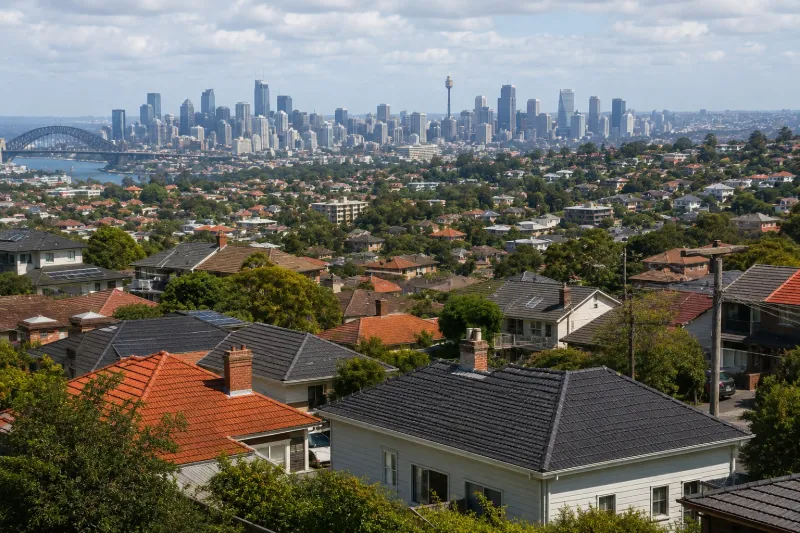
Australia’s housing market is showing signs of cooling, with national home prices falling by around 2% and mortgage applications declining by more than 20%. The slowdown reflects weaker buyer activity and growing pressure on household finances, but analysts say the latest conditions do not yet point to a major housing crash.
The decline comes as higher borrowing costs continue to influence purchasing decisions. Elevated mortgage rates have made home loans more expensive, prompting some prospective buyers to delay purchases or reduce their budgets.
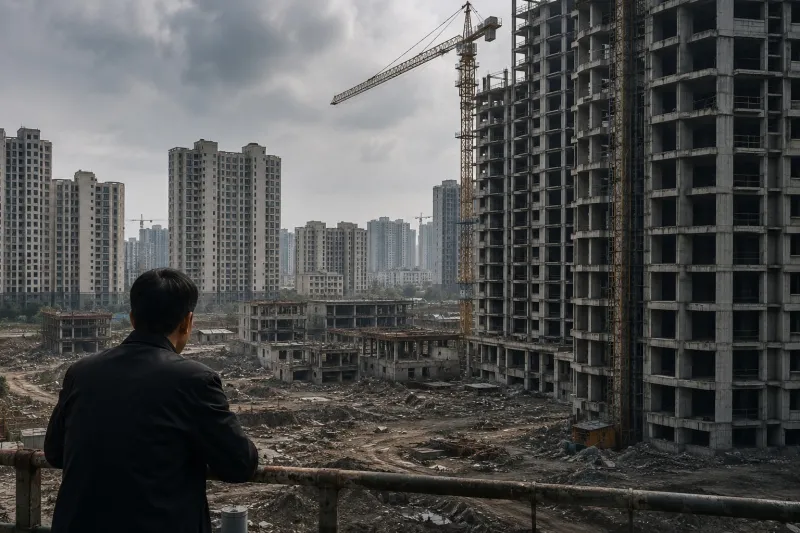
China’s property sector continues to face significant challenges as the fallout from the collapse of major developers weighs on housing demand, prices and market confidence.
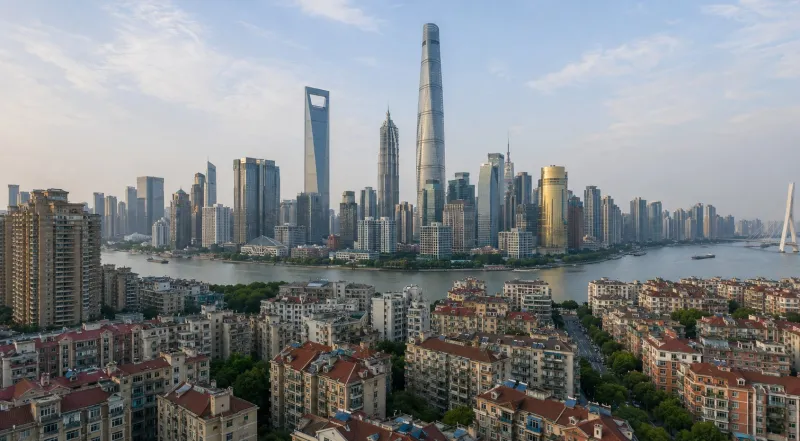
Shanghai has introduced new measures to support its residential property market as authorities intensify efforts to stabilize housing demand and restore confidence in China's struggling real estate sector.
The latest policy adjustments, which took effect on August 21, are designed to make home purchases more accessible while encouraging existing homeowners to upgrade to newer properties.

The collapse of China Evergrande has reached another major milestone after founder Hui Ka Yan was sentenced to life imprisonment by a court in Shenzhen over financial crimes linked to the property developer’s downfall.
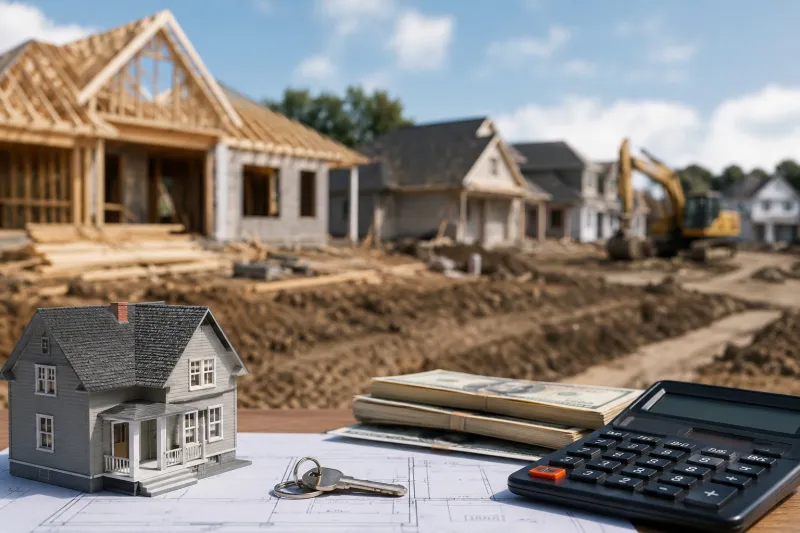
The U.S. housing market faced renewed pressure in July as single-family home construction fell sharply, highlighting the continued impact of elevated mortgage rates, weaker buyer demand and economic uncertainty on residential development.