Saudi real estate stays resilient as sales cool, CBRE notes
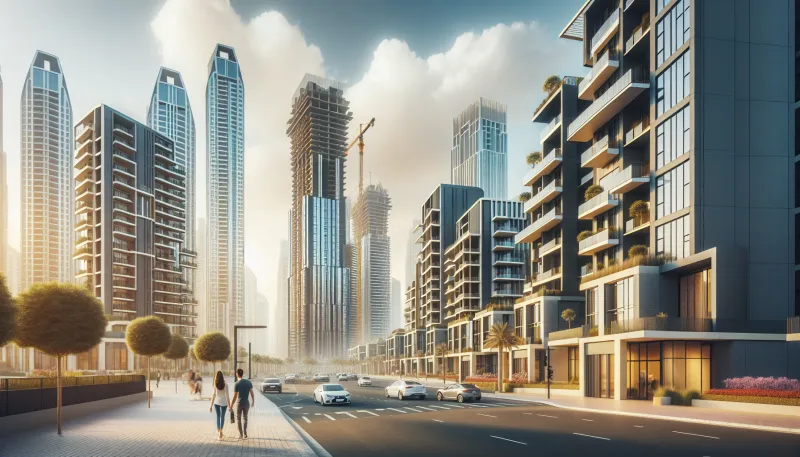
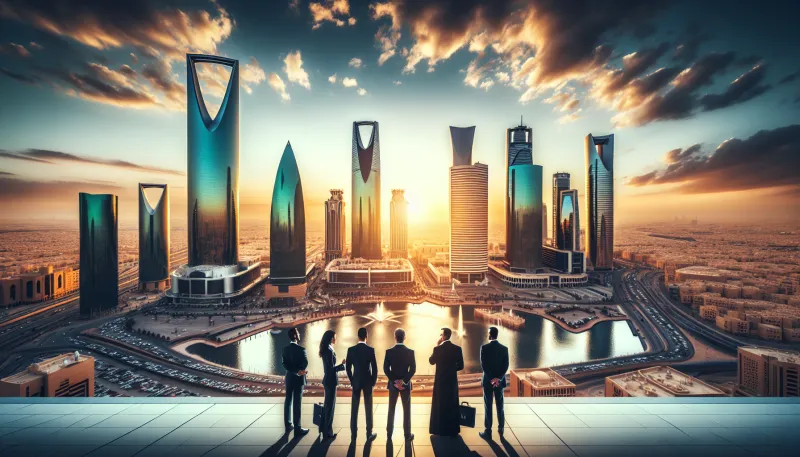
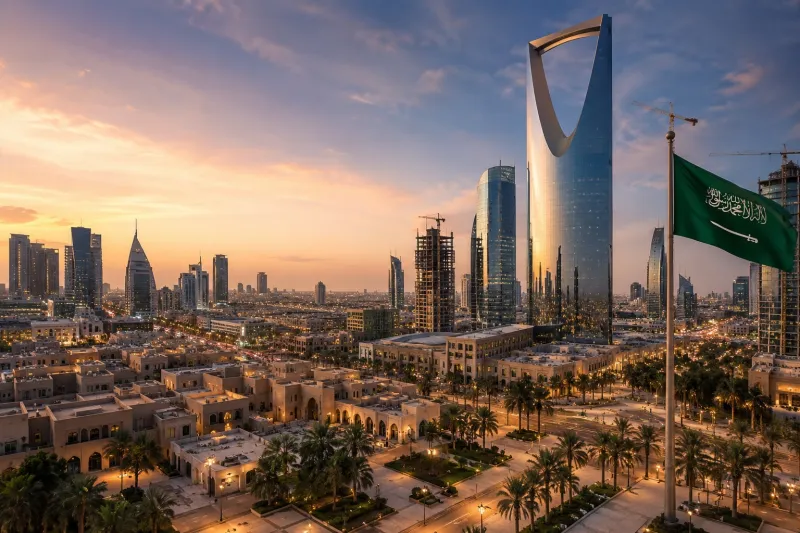
Saudi Arabia’s property market is showing continued resilience even as transaction momentum slows, according to CBRE. While fewer sales can signal a cooling cycle, the underlying picture remains supported by structural demand, government-backed development, and selective strength across residential, hospitality, and logistics. The shift is increasingly about composition—where demand concentrates, which price points move, and how developers and investors adapt—rather than a broad-based downturn.
- Sales volumes soften but fundamentals remain supportive
- Vision 2030 and giga-projects keep confidence anchored
- Residential demand persists, but buyers become more selective
- Mortgage conditions and affordability shape the pace of transactions
- Prime areas and well-served districts defend pricing power
- Hospitality benefits from tourism growth and events-led demand
- Office demand shifts toward quality and compliance-ready space
- Industrial and logistics gain from e-commerce and supply chain investment
- Investor appetite remains, with a stronger focus on income and risk control
- Developers adapt with phased delivery, product redesign, and incentives
Sales volumes soften but fundamentals remain supportive
CBRE’s assessment points to a market where sales activity has moderated compared with prior peaks, yet the broader foundations remain intact. Slower sales can reflect tighter affordability, changing buyer preferences, and a normalization after strong post-pandemic runs. At the same time, Saudi Arabia’s demographic profile, urbanization trends, and policy-driven investment pipeline continue to provide demand underpinnings that help prevent a sharp correction.
This dynamic often results in longer decision cycles and more price sensitivity rather than a wholesale retreat. In practice, the market can remain “resilient” when occupancy stays healthy, construction pipelines align with real demand, and financing conditions remain workable for end-users and developers.
Vision 2030 and giga-projects keep confidence anchored
A key pillar of resilience is the scale and visibility of Saudi Arabia’s national transformation agenda. Vision 2030 initiatives and giga-projects help anchor investor confidence by creating multi-year demand for housing, hospitality capacity, retail formats, and logistics infrastructure. These programs also catalyze job creation and population movement, which in turn supports absorption in multiple real estate segments.
Importantly, the impact is not limited to the project footprints. Secondary effects new transport links, new commercial nodes, and upgraded public realm can lift surrounding districts and widen the investable universe, even when overall transaction counts cool.
Residential demand persists, but buyers become more selective
Residential remains central to Saudi real estate, and resilience often shows up as continued underlying demand even when fewer deals close. Buyers tend to become more selective in slower periods, focusing on quality, location, and deliverability. Projects with clear handover timelines, strong community amenities, and proven developers are better positioned to sustain sales rates.
Developers, in response, may adjust unit mix and payment plans, prioritize mid-market affordability, and refine product to match household budgets. The result can be a market that cools in volume while holding steadier in pricing for prime, well-positioned stock.
Mortgage conditions and affordability shape the pace of transactions
Transaction speed in residential markets is highly sensitive to financing conditions. When interest rates are higher or lending criteria tighten, buyers often pause or trade down, which reduces sales volumes even if long-term housing needs remain strong. In Saudi Arabia, affordability considerations down payments, monthly installments, and service charges can push households toward smaller units, emerging suburbs, or phased purchases.
CBRE’s resilience theme fits a scenario where credit remains available but more carefully priced, encouraging disciplined buying rather than speculative churn. For the market, that can translate into healthier end-user demand and less volatility, albeit with slower deal flow.
Prime areas and well-served districts defend pricing power
Even in slower sales environments, prime locations often retain pricing power due to constrained supply, superior infrastructure, and higher willingness to pay. In Riyadh and Jeddah, districts that offer proximity to employment hubs, strong schools, lifestyle amenities, and efficient road networks tend to show more stable pricing and better liquidity than peripheral areas.
This creates a more segmented market: prime assets can remain competitive and resilient, while secondary stock may require incentives, renovations, or pricing adjustments to attract buyers. For investors, this segmentation increases the importance of micro-location analysis rather than relying on citywide averages.
Hospitality benefits from tourism growth and events-led demand
Saudi Arabia’s push to expand tourism and host major events continues to support hospitality real estate. New attractions, entertainment districts, business travel, and conferences can lift occupancy and average daily rates, providing a counterbalance to slower residential transactions. Hotel development also benefits from improving destination awareness and expanding airline connectivity.
Resilience in hospitality typically appears as steady performance in key cities and emerging leisure locations, alongside a pipeline that becomes more targeted: operators and developers focus on the right brand positioning, service level, and catchment rather than expanding indiscriminately.
Office demand shifts toward quality and compliance-ready space
Office markets globally have faced structural questions, yet Saudi Arabia has distinct drivers, including corporate relocations, public-sector expansion, and new business districts. As a result, demand can remain resilient, but it increasingly concentrates in Grade A buildings with strong specifications, efficient floor plates, and modern amenities.
Tenants also prioritize buildings that support operational needs such as parking, access, security, and digital infrastructure. In a slower sales climate elsewhere, sustained leasing activity in prime office nodes can reinforce the broader market’s stability and encourage developers to deliver higher-quality stock.
Industrial and logistics gain from e-commerce and supply chain investment
Logistics and industrial assets often perform well when consumer behavior and trade infrastructure evolve. In Saudi Arabia, e-commerce growth, last-mile delivery needs, and investment in ports, airports, and industrial zones support demand for warehouses and modern distribution facilities. This segment can appear particularly resilient because leases are frequently longer and tenants prioritize operational efficiency over short-term market sentiment.
Developers are responding with higher-specification facilities greater clear heights, better truck access, and energy-efficient designs while institutional capital increasingly views logistics as a core allocation within diversified real estate portfolios.
Investor appetite remains, with a stronger focus on income and risk control
When sales volumes cool, investors often pivot from momentum strategies to income durability. That means heightened scrutiny of tenant quality, lease terms, vacancy risk, and operating expenses. In Saudi Arabia, the continued expansion of commercial activity and population growth supports the case for income-generating assets, particularly where demand is needs-based rather than discretionary.
Resilience, in this context, is reflected in sustained interest for well-located, well-managed properties and in transactions that do happen being more thoroughly underwritten. Pricing may become more rational, but liquidity can remain for assets with clear cash-flow visibility.
Developers adapt with phased delivery, product redesign, and incentives
A resilient market is not one that never slows it is one where participants can adjust. Developers in Saudi Arabia are increasingly using phased construction to align supply with absorption, limiting the risk of oversupply in any single submarket. Product redesign is also becoming more common, including smaller unit sizes, flexible layouts, and amenity packages that better match buyer and tenant expectations.
Commercial terms can evolve as well. Depending on asset type, developers and landlords may introduce targeted incentives, improved payment schedules, or fit-out support to secure commitments without broadly cutting headline prices. These tactical shifts can help maintain stability even when transaction counts soften.
Writer focused on delivering informative, accessible content