
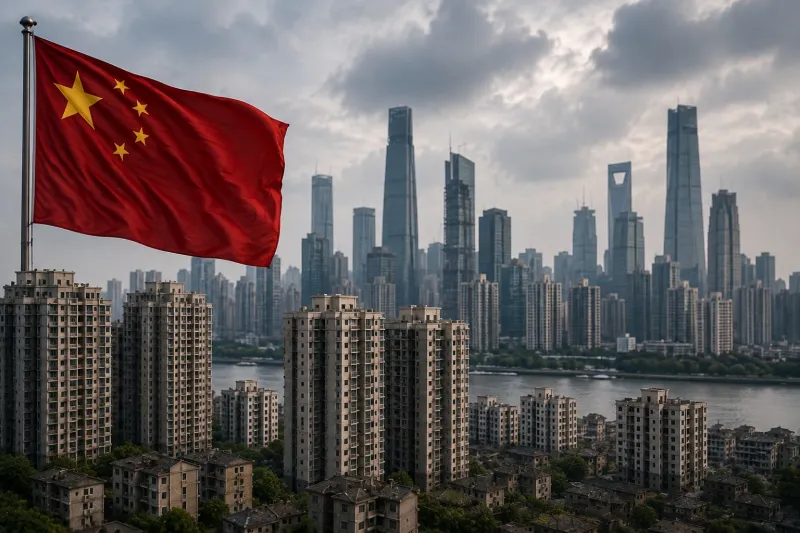
China’s property market continues to face significant pressure as weak demand and uneven market conditions weigh on home prices across the country. New-home prices remained broadly subdued in July, highlighting the challenges facing the world’s second-largest economy as policymakers seek to stabilize the housing sector.
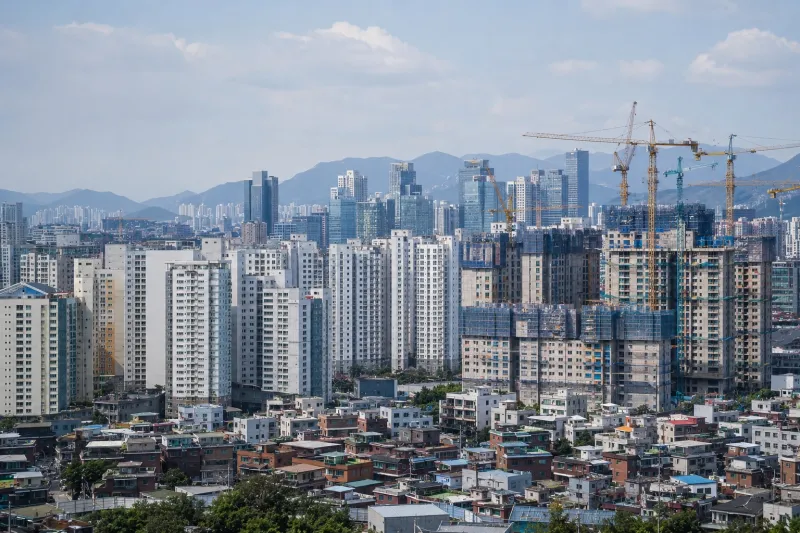
South Korea is widening its housing funding toolkit to tackle two problems at once: a persistent shortage of affordable homes in key urban areas and the growing difficulty young households face when trying to buy their first property. By channeling more public-backed finance into construction, redevelopment, and buyer support, policymakers aim to increase the number of homes coming to market while lowering the upfront barriers for younger and first-time purchasers. The approach blends supply-side incentives with targeted demand-side assistance, reflecting an effort to stabilize the housing ladder without reigniting speculative pressure.

South Korea is proposing a fresh round of property tax reforms aimed at cooling a housing market that has repeatedly swung between surges and corrections, particularly in and around Seoul. The policy direction reflects a balancing act: reducing speculative pressure and price momentum while improving affordability for end-users, especially first-time buyers and households facing higher borrowing costs. By recalibrating who pays, how much they pay, and when they pay, the government is signaling that taxation will play a central role alongside supply measures and credit policy.
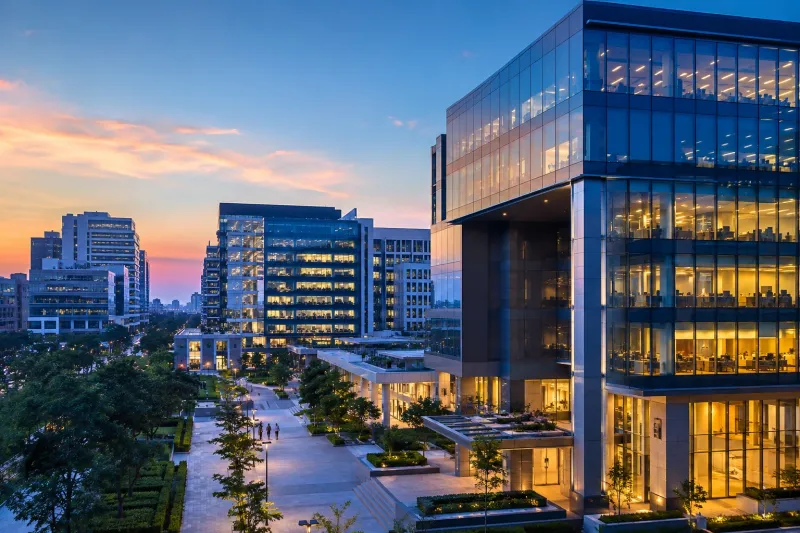
India's commercial real estate sector is experiencing unprecedented growth as multinational corporations continue to expand their Global Capability Centres (GCCs) across the country. Once established primarily as cost-saving back-office operations, GCCs have evolved into strategic innovation hubs responsible for technology development, research and development (R&D), engineering, finance, cybersecurity, and business operations. This transformation is driving record demand for premium office space in India's major business cities.
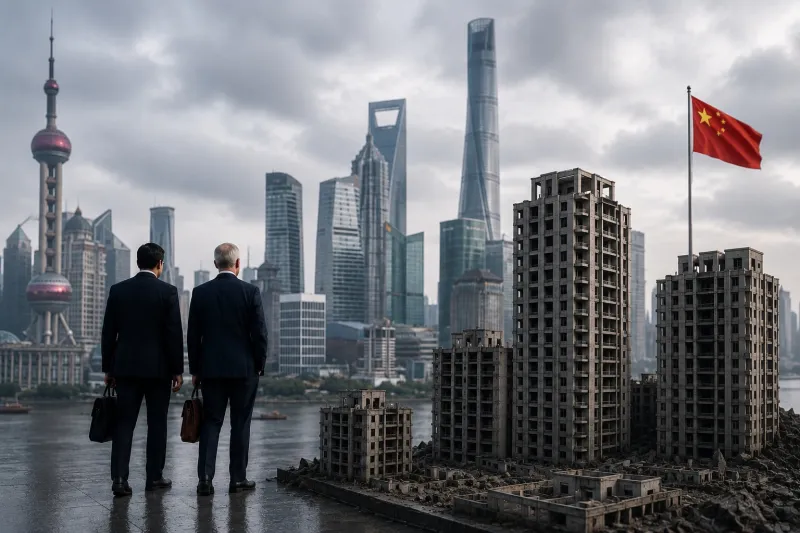
Global real estate investors are increasingly choosing certainty over optionality in China, and two prominent names—KKR and AEW—are emblematic of that shift. Both firms have been moving to reduce or exit China property holdings at sizable losses, reflecting a recalibration of risk after years of market stress, falling valuations, and tighter financing conditions. Their actions highlight how capital is repricing China real estate and how exit routes, once assumed to be plentiful, now demand compromises on price, timing, and structure.

India’s real estate sector drew a record $8.5 billion in equity inflows in the first half of 2026, underscoring how quickly global capital is repricing the country’s growth story. The milestone reflects a blend of improving market transparency, deeper institutional participation, and a maturing mix of office, industrial, residential, and alternative assets. Below is a closer look at the forces behind the jump, how investors are allocating, and what the inflow trend signals for developers, tenants, and homebuyers.

China’s economic slowdown is no longer a domestic story confined to weaker consumption and softer industrial output. It is increasingly a global property market issue, reshaping capital flows, construction demand, leasing decisions, and risk pricing across regions. As investors reassess exposure to China-linked growth and developers face tighter funding conditions, the knock-on effects are emerging in everything from office vacancy assumptions to logistics pipeline timing and prime residential demand in international gateway cities.

India’s commercial real estate market surged in the first half of 2026, with office leasing reaching a record 45.5 million sq ft—a milestone that underscores sustained occupier confidence, deeper global capability center (GCC) penetration, and expanding demand beyond traditional CBDs. The scale and speed of absorption are influencing how developers plan new supply, how landlords price and structure deals, and how cities compete on infrastructure, talent, and regulatory ease.
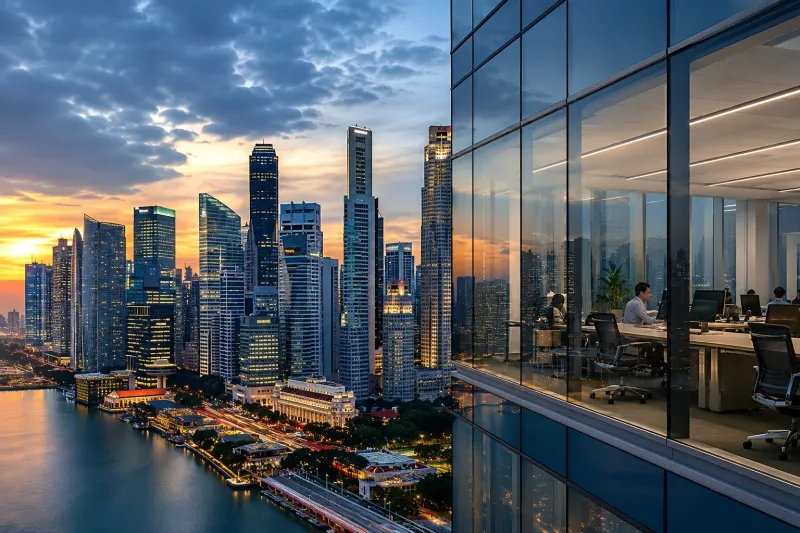
While office markets in many global cities are being reshaped by slower growth, hybrid work, and cautious corporate spending, Singapore continues to show uncommon strength at the top end of the market. Prime rents are still rising, supported by tight supply in core districts, sustained demand from high-value sectors, and a flight to quality that favors best-in-class assets. This article examines the drivers behind the upswing, the segments under pressure, and the signals occupiers and investors should watch next.