
Australia’s commercial property market picks up speed as investors step back from housing
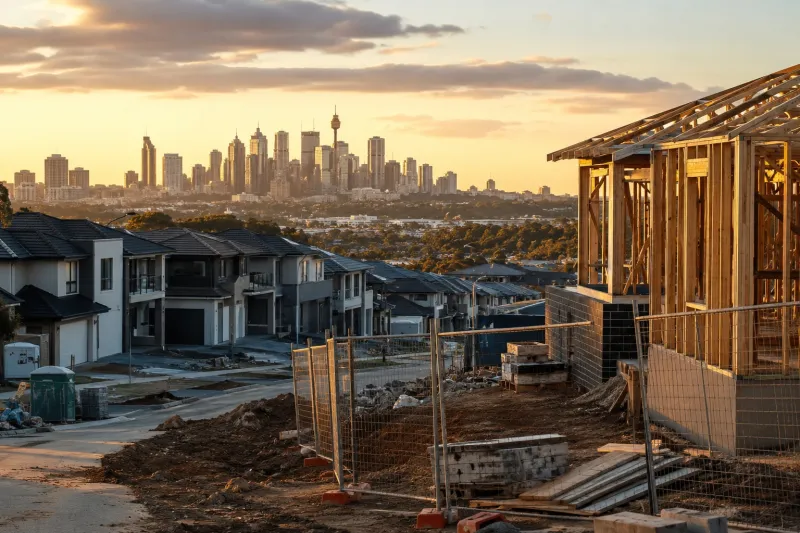
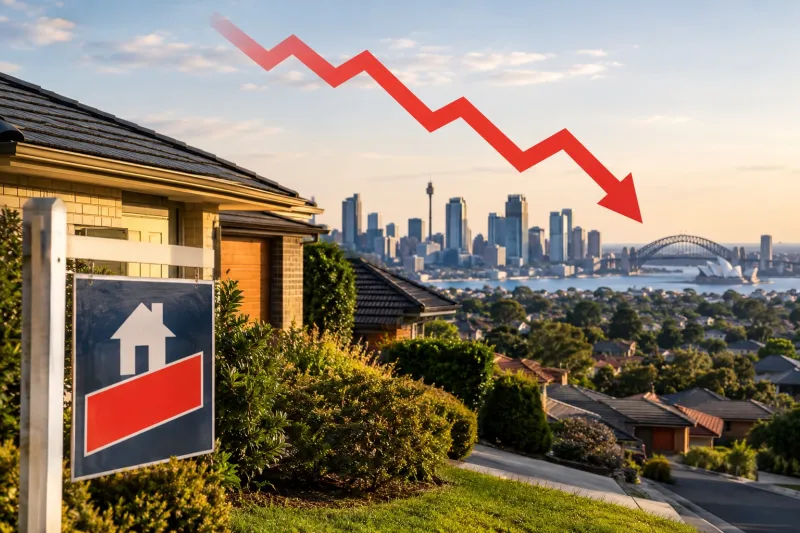
Australia’s investment focus is visibly rotating. As higher borrowing costs, tighter lending standards and regulatory scrutiny cool parts of the residential market, more capital is finding its way into commercial real estate—especially segments with clearer income visibility and structural demand. From industrial logistics to prime offices with strong sustainability credentials, the market is showing renewed momentum, with investors recalibrating risk, chasing stable cash flows and positioning for the next phase of the rate cycle.
- Why capital is rotating out of residential housing
- Commercial real estate’s appeal in a higher-rate world
- Industrial and logistics lead the momentum
- Retail is being re-rated, with a focus on necessity and experience
- Office demand shifts toward quality, sustainability and amenities
- Alternative sectors attract institutional capital
- Pricing, yields and the return of selective deal flow
- Financing dynamics favour lower leverage and stronger covenants
- What different investor groups are doing now
- Key risks to watch as the market accelerates
Why capital is rotating out of residential housing
Residential property has remained a core Australian asset class, but the investability equation has changed. Higher interest rates have compressed leveraged returns, while insurance, maintenance and strata costs have risen. At the same time, rental regulation debates and tighter serviceability assessments have increased uncertainty for some private landlords. For institutional and sophisticated investors, the combination of more predictable lease structures and scalable deployment in commercial assets has become comparatively attractive.
Commercial real estate’s appeal in a higher-rate world
Commercial property is regaining attention because it can offer contracted income and clearer risk pricing. Many leases include fixed or CPI-linked escalations, supporting cash-flow growth even when economic conditions soften. In addition, repricing in some sectors has improved entry points, allowing buyers to acquire assets at yields that better compensate for financing costs. For investors focused on total return, the possibility of yield plus moderate rental growth is increasingly compelling versus speculative capital gains.
Industrial and logistics lead the momentum
Industrial remains the standout, underpinned by e-commerce, supply-chain reconfiguration, and demand for modern distribution facilities near major population corridors. Land scarcity around Sydney and Melbourne has supported rental growth, while tenants value high-clearance warehousing, automation-ready design, and efficient access to ports and arterial roads. Even where new supply is coming online, well-located, institutional-grade assets with long leases and strong covenants continue to attract aggressive bidding.
- Last-mile logistics near city fringes remain tightly held.
- Cold storage and specialised facilities benefit from higher barriers to entry.
- Data-enabled sites with power capacity are increasingly sought after.
Retail is being re-rated, with a focus on necessity and experience
Retail is no longer viewed as a single risk bucket. Investors are differentiating between discretionary malls facing online competition and assets anchored by supermarkets, pharmacies and essential services. Neighbourhood and sub-regional centres with strong catchments have proven resilient, supported by population growth and constrained development pipelines in many suburbs. Meanwhile, premium destination assets are leaning into food, entertainment and services to extend dwell time and diversify income streams.
Office demand shifts toward quality, sustainability and amenities
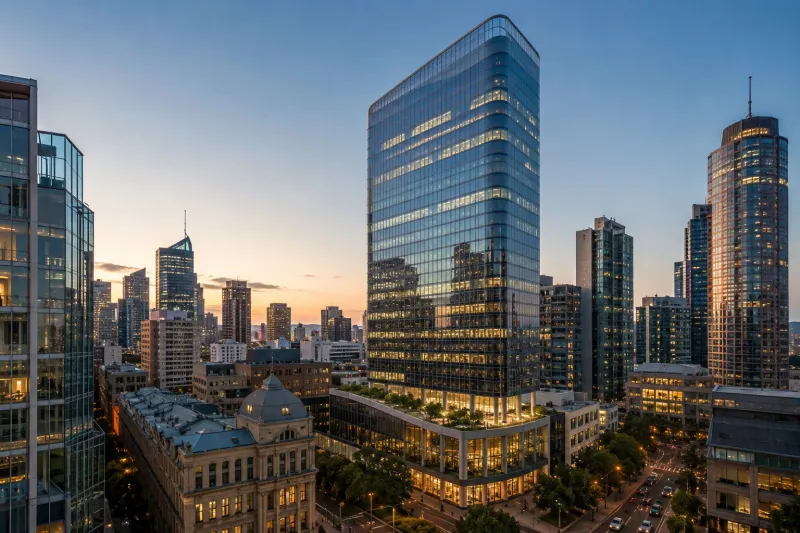
Office markets are still navigating hybrid work, but the investment story is increasingly about flight to quality. Tenants are gravitating to buildings with strong environmental ratings, modern end-of-trip facilities, flexible floor plates and precinct-level amenity. Secondary assets with weaker specifications can face vacancy and capex pressure, yet prime towers in core locations are better placed to retain tenants and defend rents. Investors are underwriting office deals with greater scrutiny on leasing risk, incentives and refurbishment requirements.
Alternative sectors attract institutional capital
Beyond the traditional triad of office, retail, and industrial, alternatives are drawing a growing share of allocations. Student accommodation, healthcare properties, and childcare centres can offer defensive demand drivers and long leases, while build-to-rent platforms blur the line between residential and commercial-style income. Data centres stand out for their structural tailwinds, but they require careful assessment of power availability, cooling requirements, and tenant concentration. These sectors often reward specialised operators who can manage operational complexity.
- Healthcare: demand linked to demographics and service provision.
- Student housing: supported by international education flows.
- Data centres: growth tied to cloud adoption and AI workloads.
Pricing, yields and the return of selective deal flow
After a period of valuation uncertainty, there are signs of price discovery improving as buyers and sellers converge. Some assets have repriced meaningfully, particularly where short WALE, leasing capex or tenant rollover risk is material. In parallel, well-leased prime assets can remain tightly priced due to limited supply and competition for quality. The result is a bifurcated market: more transactions in the middle where expectations have reset, and fewer trades at the very top unless the asset is truly scarce.
Financing dynamics favour lower leverage and stronger covenants
Lenders are still active, but credit committees are demanding more conservative underwriting. Borrowers with strong tenant rosters, longer lease terms and clear capex plans are finding smoother pathways to funding, while transitional assets can face higher margins and tighter covenants. Many investors are responding by using lower leverage, partnering with equity co-investors or prioritising assets with immediate income stability. This discipline is reinforcing the preference for properties that can demonstrate durable cash flows.
What different investor groups are doing now
Investor behaviour is diverging by mandate. Core funds are leaning into prime industrial, essential retail, and high-quality offices where income is most secure. Value-add managers are targeting buildings that can be repositioned through leasing, sustainability upgrades, and amenity improvements—often at discounted pricing. Private investors and syndicates are increasingly active in smaller-format assets, attracted to higher yields, though they must manage refinancing risk carefully. Offshore capital, when present, is focusing on scale, transparency, and assets that match global ESG expectations.
- Core: buy and hold, prioritise WALE and tenant quality.
- Value-add: re-lease, refurbish, improve energy performance.
- Opportunistic: distressed or complex situations, higher return targets.
Key risks to watch as the market accelerates
Momentum does not remove risk; it changes where the risks sit. A slower economy could pressure tenant demand, particularly for discretionary retail and lower-grade offices. Construction costs and approvals can disrupt development feasibility, while refinancing conditions may remain restrictive for highly geared owners. Climate and sustainability compliance is also becoming a pricing factor, as assets with poor energy performance can face higher operating costs and weaker tenant appeal. Investors are responding with deeper due diligence on tenant health, capex timing and resilience scenarios.
Writer focused on delivering informative, accessible content