
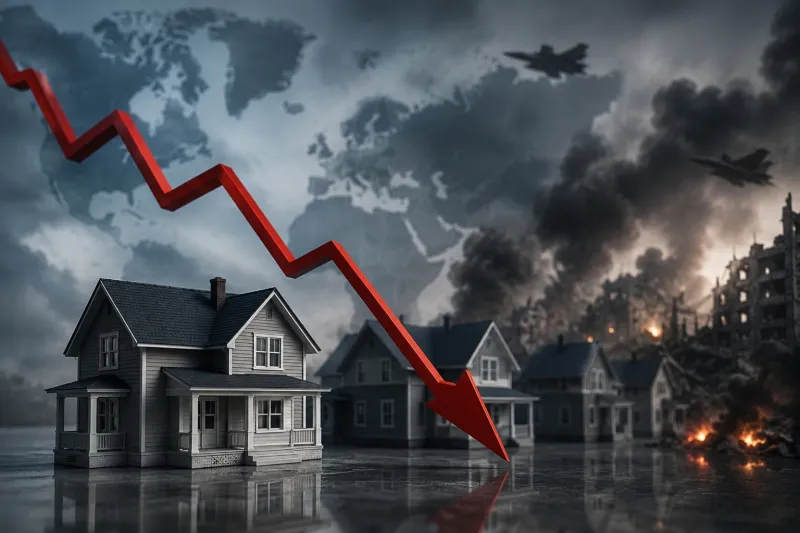
Property markets are showing early signs of downward pressure as geopolitical tensions raise uncertainty and buyers step back. While the scale of price declines remains modest in many regions, the shift in sentiment is clear: fewer view real estate as a near-term “can’t miss” asset, and more are prioritizing liquidity, job security, and flexibility. The result is a market where sellers face longer timelines, negotiations are tougher, and price discovery is happening in real time.

As inflation, market volatility, and shifting monetary policy reshape global portfolios, affluent investors are increasingly allocating capital to premium real estate as a long-duration store of value. Beyond lifestyle appeal, trophy homes and institutional-grade residential assets offer scarcity, utility, and diversification—characteristics that can help preserve purchasing power across cycles. This shift is less about short-term appreciation and more about risk-managed wealth protection, resilient income, and intergenerational planning.

While broader housing markets wrestle with higher borrowing costs, uneven growth, and geopolitical noise, the global luxury segment continues to show resilience. In many top-tier cities and resort destinations, wealthy buyers are still closing deals—often with cash, often quickly—because prime homes remain a store of value, a lifestyle upgrade, and a form of international diversification. The result is a market where demand is selective but persistent, and where scarcity, quality, and location still command a premium.

Across many housing markets, a growing number of property owners are moving from “wait and see” to “sell now.” With higher borrowing costs, cautious buyers, and more listings appearing each week, the fear is shifting from missing out on further gains to being caught on the wrong side of a downturn. The result is a faster, more price-sensitive market where timing, presentation, and realistic expectations matter more than they did during the boom.

As New York debates higher taxes on luxury real estate and high-income residents, Citadel is reinforcing its long-term bet on Miami—one of the most visible corporate relocations of the post-pandemic era. The contrast between New York’s push for additional revenue and Miami’s pro-growth posture is sharpening decisions for firms, talent, and wealthy households that can choose where to live and invest.

Dubai’s property market has shown renewed resilience, with transaction activity and pricing in several segments stabilizing after periods of volatility. Yet the regional security backdrop—shaped by war-related risks linked to Iran—has introduced a new layer of uncertainty for investors, developers, and tenants. This article examines how geopolitical stress is influencing sentiment, financing, and demand patterns, and why Dubai’s market mechanisms and policy toolkit are helping the sector absorb shocks while continuing to attract global capital.

Whitbread’s shares slipped after the owner of Premier Inn outlined a plan to pursue up to £2bn in property sale-and-leaseback transactions, a move that investors read as a meaningful shift in how the group wants to fund growth and manage its balance sheet. While monetising real estate can unlock capital and sharpen returns, it can also raise questions about future rent commitments, earnings resilience, and whether the company is trading long-term asset backing for near-term flexibility.

A UK-based property company is pushing into the French market at a moment when higher interest rates, cautious lenders, and uneven price expectations are testing real estate confidence across Europe. Rather than waiting for a clear upswing, the firm is betting that selective acquisitions, local partnerships, and disciplined underwriting can turn uncertainty into opportunity—provided it navigates regulation, taxation, and tenant demand with precision.

Escalating conflict risk involving Iran is rippling far beyond the Middle East, and UK housing is feeling the shock. With energy markets on edge, inflation expectations twitching and interest-rate paths suddenly less predictable, several forecasters have pared back their outlook for UK house price growth—some cutting projections by around half as a direct response to the renewed geopolitical risk premium.