
Global luxury property holds firm as affluent buyers keep snapping up prime homes amid uncertainty
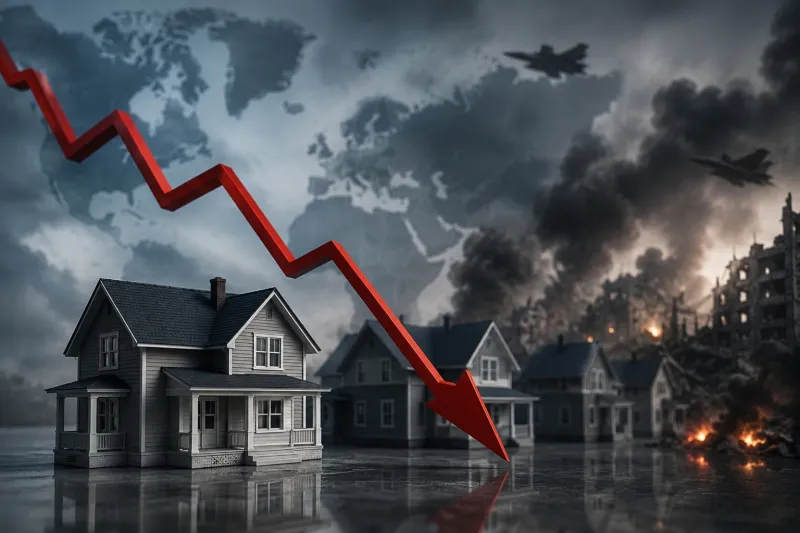
While broader housing markets wrestle with higher borrowing costs, uneven growth, and geopolitical noise, the global luxury segment continues to show resilience. In many top-tier cities and resort destinations, wealthy buyers are still closing deals—often with cash, often quickly—because prime homes remain a store of value, a lifestyle upgrade, and a form of international diversification. The result is a market where demand is selective but persistent, and where scarcity, quality, and location still command a premium.
- Why luxury demand stays resilient when sentiment weakens
- Cash purchases and low leverage reduce rate sensitivity
- Supply constraints keep prime pricing supported
- A flight to quality within the luxury segment
- Global mobility and safe-haven logic drive cross-border interest
- Lifestyle priorities reshape what “prime” means
- Currency swings create tactical buying windows
- New build, branded residences, and amenity-led towers remain magnets
- Luxury rentals, yield considerations, and the role of wealth preservation
- Risks buyers watch: regulation, taxes, climate, and liquidity
Why luxury demand stays resilient when sentiment weakens
High-end housing is less tethered to wage growth and conventional mortgage availability than the mainstream market. Many purchasers are ultra-high-net-worth individuals (UHNWIs) allocating capital across multiple asset classes, viewing property as part consumption good, part portfolio hedge. Even when equities swing or growth slows, prime real estate can look attractive because it offers tangible utility, privacy, and long-term scarcity value. In addition, luxury buyers tend to be motivated by life events, relocation, family planning, succession, or lifestyle shifts that do not always pause for macro uncertainty.
Cash purchases and low leverage reduce rate sensitivity
A key stabilizer is the financing profile. Compared with mid-market buyers, affluent purchasers often use cash or modest leverage, which blunts the impact of higher interest rates. Where financing is used, it may be structured through private banks, securities-backed lines of credit, or bespoke arrangements that prioritize flexibility over headline mortgage rates. This reduces forced selling and keeps price discovery slower, especially in trophy segments where owners can wait for the “right” buyer rather than discount aggressively.
Supply constraints keep prime pricing supported
Across global prime markets, the most desirable homes share a simple feature: they are hard to replicate. Historic districts, protected view corridors, coastal setbacks, and strict planning regimes limit new supply. Construction costs have also risen, making replacement values higher and supporting secondary-market pricing for quality homes. The scarcity is most visible in neighborhoods where inventory stays thin even during slower transaction periods, reinforcing a “few but serious” buyer pool rather than a broad-based retreat.
A flight to quality within the luxury segment
Uncertainty is changing what sells, not whether sales occur. Buyers are increasingly discriminating, favoring turnkey properties, best-in-class architecture, and homes with strong fundamentals, light, views, privacy, and proximity to top schools, culture, or beaches. Properties that feel compromised, awkward layouts, inferior amenities, noisy locations, or large deferred maintenance face longer marketing times and more negotiation. This bifurcation means the luxury market can look “strong” in prime pockets while softer in secondary, over-supplied, or renovation-heavy niches.
Global mobility and safe-haven logic drive cross-border interest
For internationally mobile buyers, prime property often serves as a safe-haven asset and a mobility tool. A foothold in politically stable jurisdictions can support business travel, education plans, and family security. Cross-border demand tends to follow clear rule-of-law environments, strong infrastructure, and transparent property rights, with buyers also weighing tax regimes, residency pathways, and long-term capital preservation. When uncertainty rises, these decision filters become more stringent, which can concentrate demand into fewer, higher-confidence destinations.
Lifestyle priorities reshape what “prime” means
Remote and hybrid work have permanently expanded the definition of prime living, pushing demand into resort markets and “work-from-anywhere” hubs while keeping top global cities relevant for culture and connectivity. Buyers seek dedicated offices, wellness spaces, outdoor kitchens, and adaptable floor plans for multigenerational use. In many deals, the home is positioned as an all-in-one platform for living, working, hosting, and recovering, raising willingness to pay for amenities that reduce friction and enhance daily life.
Currency swings create tactical buying windows
In a global market, exchange rates can be decisive. A stronger home currency can give buyers immediate purchasing power abroad, effectively discounting prime assets without any local price drop. Conversely, sellers in markets with a weaker currency may attract international bids, supporting volume even if domestic demand cools. Sophisticated buyers often time acquisitions around currency cycles, using hedging strategies or diversified income streams to manage FX risk while securing hard-to-replace assets.
New build, branded residences, and amenity-led towers remain magnets
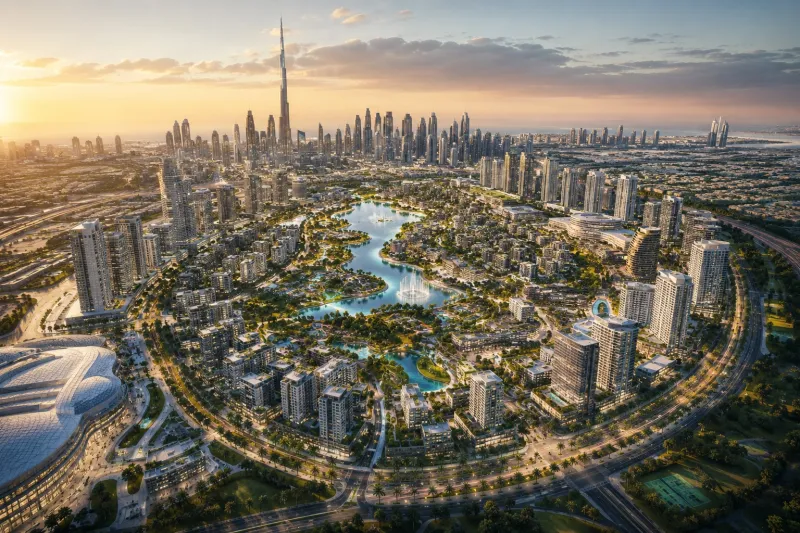
One of the strongest sub-sectors is new development at the top end, particularly branded residences and full-service buildings offering security, concierge, wellness facilities, and hotel-level management. For globally active buyers, the appeal is frictionless ownership: predictable standards, professional operations, and strong resale narratives. However, buyers are scrutinizing developer track records, service charges, and governance more carefully, especially where new supply is rising, and differentiation depends on design quality and resident experience rather than marketing alone.
Luxury rentals, yield considerations, and the role of wealth preservation
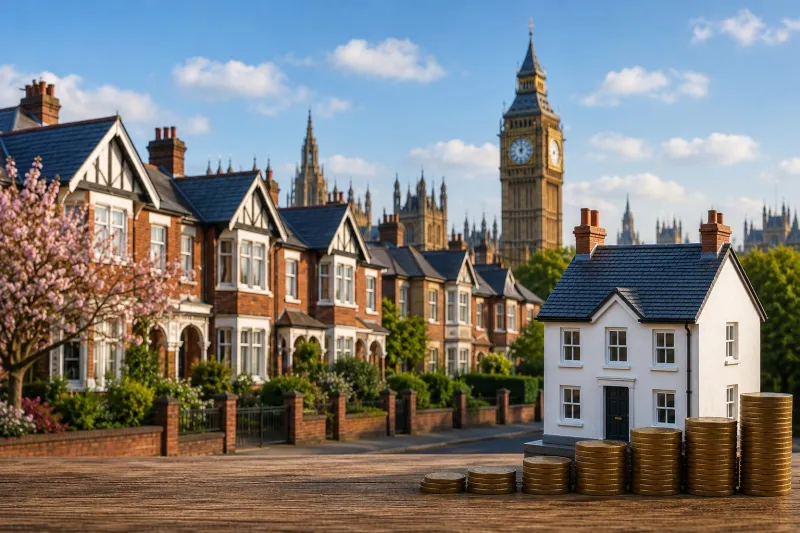
Although many trophy homes are not bought for yield, rental dynamics matter more when uncertainty increases. Executive rentals, seasonal leases, and high-end furnished demand can offset carrying costs and support valuation narratives. Some buyers prioritize markets where liquidity and rental depth reduce downside risk, while others accept low yields in exchange for capital stability and personal use. The common thread is wealth preservation: prime property is treated as a long-duration holding that can flex between personal enjoyment and income generation.
Risks buyers watch: regulation, taxes, climate, and liquidity
Resilience does not mean immunity. Luxury buyers are increasingly alert to policy and environmental risks that can reshape long-term value. Key concerns include:
- Tax changes (transaction taxes, wealth taxes, non-resident surcharges) that alter the total cost of ownership
- Regulatory shifts affecting short-term rentals, foreign ownership, or renovation permissions
- Climate exposure, such as coastal flooding, wildfire risk, heat stress, and insurability
- Liquidity risk in ultra-high price brackets where buyer pools are thin, and selling timelines can stretch
In response, due diligence is deeper, with more emphasis on insurance terms, building resilience, and legal clarity factors that increasingly separate enduring prime assets from merely expensive ones.
Writer focused on delivering informative, accessible content