Global luxury property holds firm as HNWI demand reshapes the world’s wealth hubs
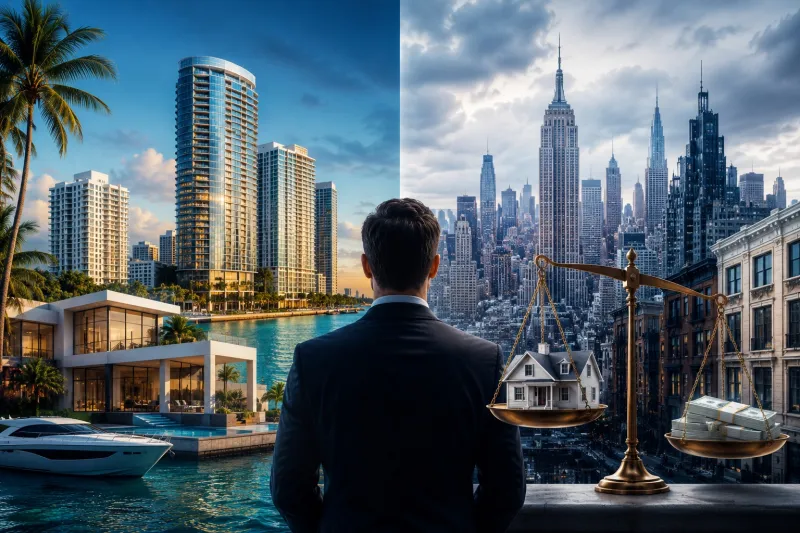
The global luxury property market continues to show notable resilience, even as interest-rate uncertainty, slower growth forecasts, and geopolitical risks reshape mainstream housing. At the top end, however, demand is increasingly driven by high-net-worth individuals (HNWIs) seeking stability, lifestyle, and long-term capital preservation across a set of highly competitive wealth hubs. From prime urban cores to trophy coastal enclaves, pricing power is being supported by constrained supply, cross-border diversification, and a buyer base less dependent on financing.
- Why the luxury segment remains structurally resilient
- HNWI priorities are shifting from speculation to utility
- Interest rates matter less, but financing strategy still shapes deals
- Supply constraints keep pressure on prime pricing
- Key wealth hubs compete on lifestyle, safety, and connectivity
- Cross-border flows are back, but more selective and compliance-driven
- Prime cities: scarcity and prestige support the ultra-prime core
- Resort and second-home markets evolve into year-round hubs
- Sustainability and resilience features are becoming price drivers
- What buyers are willing to pay for: the new luxury checklist
Why the luxury segment remains structurally resilient
Luxury real estate behaves differently from the broader market because its demand is tied more to wealth creation, business liquidity events, and asset-allocation preferences than to wage growth or first-time buyer affordability. In many prime districts, owners hold properties for longer periods and are less compelled to sell, which limits inventory during uncertain cycles. This creates a market dynamic where even modest buyer interest can translate into stable prices when supply is tight.
Another stabilizer is the multi-purpose nature of prime property for HNWIs: it can function simultaneously as a residence, a store of value, and a portfolio diversifier. While transaction volumes can dip when macro conditions deteriorate, asking prices often prove sticky, and discounting tends to be selective rather than broad-based.
HNWI priorities are shifting from speculation to utility
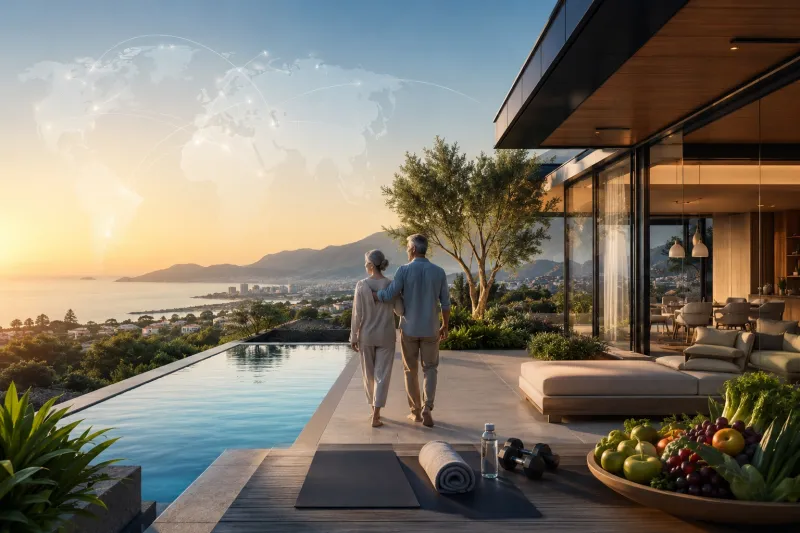
Today’s affluent buyers are increasingly focused on utility, how a home supports family life, mobility, privacy, and work, rather than short-term price momentum. This is accelerating demand for properties with flexible layouts, wellness amenities, and high standards of building performance. Prime homes that offer security, discretion, and turnkey readiness are often preferred over projects requiring lengthy renovations.
At the same time, many HNWIs are planning for multi-generational needs, which elevates the value of features such as separate guest suites, staff quarters, accessible design, and proximity to top schools and healthcare. In practice, this can widen the price gap between best-in-class assets and merely “prime” addresses.
Interest rates matter less, but financing strategy still shapes deals
Luxury buyers are often cash-capable, reducing sensitivity to higher borrowing costs. Yet rates still influence market psychology and can affect leveraged investors, developers’ construction economics, and bridge financing for complex purchases. Rather than deterring transactions outright, higher rates frequently change the structure of deals to include more equity upfront, shorter financing tenors, or selective borrowing against diversified portfolios.
In some markets, buyers are negotiating more assertively on properties that feel overpriced relative to comparable listings or where vendors appear motivated. This is producing a two-speed environment: exceptional homes sell quickly, while assets with compromised location, layout, or condition sit longer and require price adjustments.
Supply constraints keep pressure on prime pricing
Across major wealth hubs, supply remains the defining constraint. In established prime neighborhoods, new development is limited by planning rules, heritage protections, and scarcity of land. Even where new projects are possible, construction costs, labor availability, and sustainability requirements can slow delivery timelines and raise replacement costs, helping underpin existing values.
Many ultra-prime owners also choose to hold rather than sell, especially when properties are mortgage-free or financed at older, lower rates. The resulting inventory shortage can create competitive bidding for the small subset of homes that meet strict criteria for views, privacy, amenities, and proximity to key city infrastructure.
Key wealth hubs compete on lifestyle, safety, and connectivity
The strongest luxury markets tend to share a common set of advantages: political and legal stability, high-quality urban services, global connectivity, and a credible lifestyle proposition. Buyers compare destinations not only on headline pricing, but also on time-zone convenience for business, airport access, educational offerings, and the ease of integrating into local networks.
Wealth hubs also compete through soft power cultural institutions, dining, luxury retail, and major events. These factors can sustain demand even when economic headlines turn negative, because they reinforce the idea of a home purchase as both a lifestyle upgrade and a long-term strategic foothold.
Cross-border flows are back, but more selective and compliance-driven
International buying has regained momentum, supported by resumed mobility and renewed appetite for diversification. However, cross-border activity is increasingly shaped by tighter compliance, source-of-funds scrutiny, and evolving tax regimes. Buyers are often working with advisors earlier in the process to align property choices with residency planning, estate structures, and reporting obligations.
Instead of chasing “hot” markets, many HNWIs are building a portfolio of places: a primary base in a global city, a leisure property in a resort market, and possibly a third residence tied to education, family, or business expansion. This portfolio approach supports steady demand across multiple hubs simultaneously.
Prime cities: scarcity and prestige support the ultra-prime core
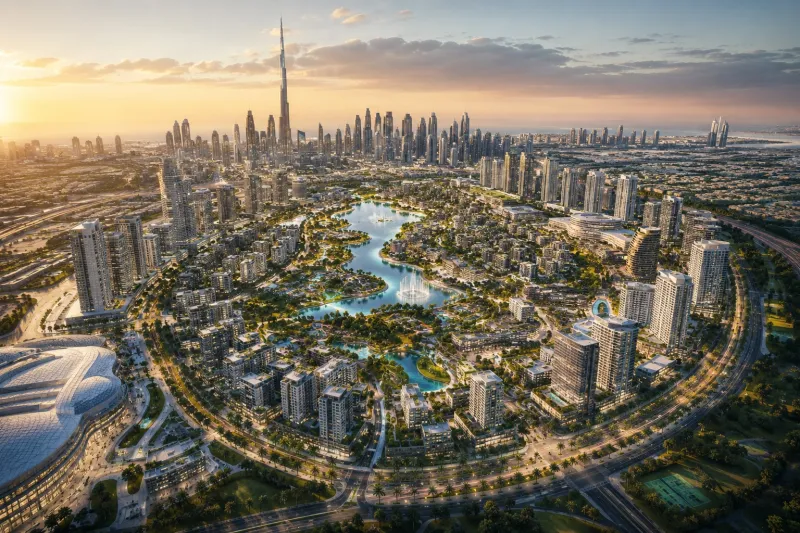
In leading global cities, ultra-prime districts continue to benefit from deep buyer pools and limited new supply. Trophy assets, penthouses with landmark views, townhouses on prestige streets, or historically significant residences often command enduring premiums because they are effectively irreplaceable. Even when transaction volume softens, the best listings can attract multiple bidders due to rarity.
That said, the broader “prime” band within cities is more sensitive to local policy shifts, including property taxes, rental regulations, and restrictions on short-term letting. Buyers are increasingly segmenting the market, paying up for top-tier micro-locations while pushing harder for value in less differentiated areas.
Resort and second-home markets evolve into year-round hubs
Resort destinations are no longer purely seasonal. Enhanced digital infrastructure, improved air links, and the normalization of flexible work have turned many coastal and alpine locations into year-round lifestyle hubs. HNWIs are prioritizing properties that can operate like a primary home: high-speed connectivity, weather resilience, robust security, and access to quality services beyond peak season.
Developers and local authorities are responding with more sophisticated offerings, such as branded residences, concierge services, and integrated wellness facilities. This can elevate price points, but it also raises expectations: buyers increasingly demand reliable property management, strong community governance, and clear rules around rentals and amenities usage.
Sustainability and resilience features are becoming price drivers
Energy efficiency and climate resilience are moving from “nice to have” to a core value determinant in luxury real estate. In many jurisdictions, stricter building standards and disclosure requirements are making underperforming properties more expensive to hold and upgrade. As a result, high-performing homes can command premiums, not only for ethical reasons but for operational predictability and future compliance.
At the top end, buyers are looking for tangible features: advanced insulation and glazing, renewable energy integration, smart energy management, and flood or wildfire mitigation where relevant. Properties that combine sustainability with design excellence and comfort tend to outperform because they reduce both running costs and long-term risk.
What buyers are willing to pay for: the new luxury checklist
Luxury is increasingly defined by privacy, service, and frictionless living rather than sheer size. Buyers are paying premiums for homes that offer turnkey, low-complexity conditions, well-run buildings, and dependable service ecosystems. They also value spaces that support modern routines: wellness, entertaining, quiet work, and family time without compromise.
Features most associated with pricing power
- Privacy and security: discreet access, secure parking, controlled entry, and strong building management
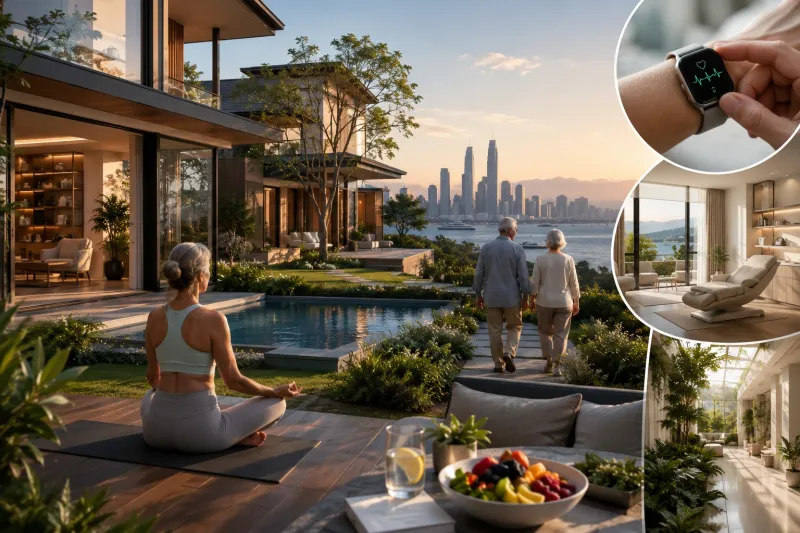
- Wellness: gyms, pools, spas, natural light, air and water filtration, and acoustic comfort
- Turnkey quality: high-spec finishes, modern systems, and minimal renovation downtime
- Outdoor value: terraces, gardens, sea or skyline views, and usable external space
- Connectivity: proximity to airports, top schools, and cultural districts, plus strong digital infrastructure
As these preferences consolidate, the market is rewarding best-in-class assets and penalizing compromises. The result is a resilient luxury segment where demand concentrates in specific micro-locations and property types across the world’s most competitive wealth hubs.
Writer focused on delivering informative, accessible content