Australia’s Home Prices Slip 2% as Mortgage Demand Falls, but Housing Crash Fears Remain Limited
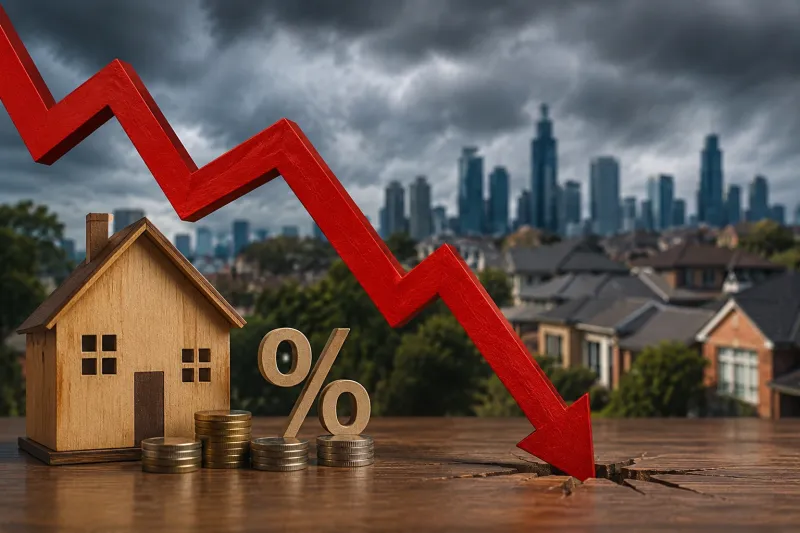
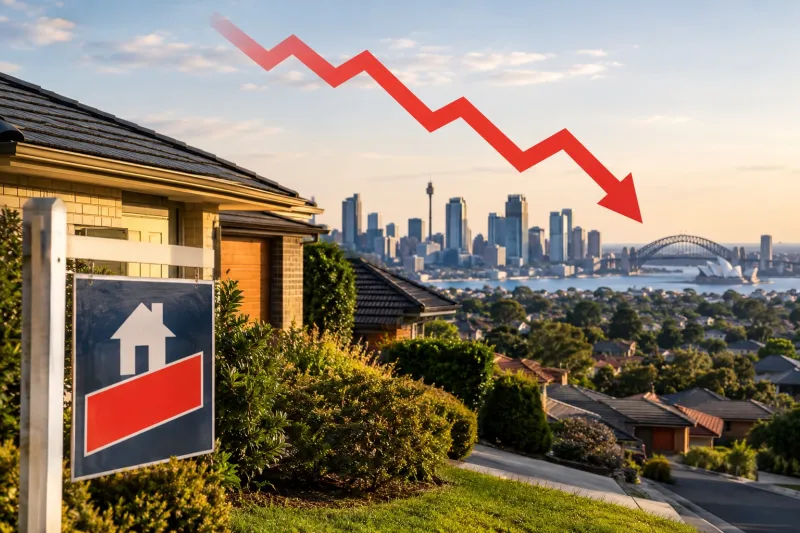
Australia’s housing market is showing signs of cooling, with national home prices falling by around 2% and mortgage applications declining by more than 20%. The slowdown reflects weaker buyer activity and growing pressure on household finances, but analysts say the latest conditions do not yet point to a major housing crash.
The decline comes as higher borrowing costs continue to influence purchasing decisions. Elevated mortgage rates have made home loans more expensive, prompting some prospective buyers to delay purchases or reduce their budgets.
Mortgage Demand Weakens
The sharp decline in mortgage applications highlights the change in sentiment among Australian homebuyers. With financing costs remaining elevated, households are becoming more cautious about taking on large property loans.
Lower mortgage demand can place additional pressure on property prices, particularly in markets where buyers are already sensitive to affordability. Sellers may also face longer marketing periods as potential purchasers wait for more favorable borrowing conditions.
Despite the decline in applications, the market has not experienced the type of forced selling that would typically accompany a severe housing downturn.
Housing Shortage Provides Support
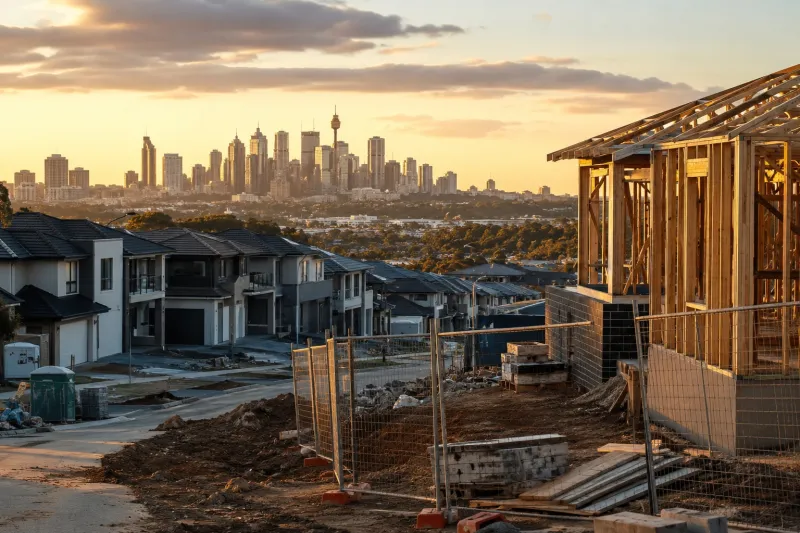
One of the key factors supporting Australian property prices is the country's persistent shortage of housing. Limited housing supply continues to provide underlying demand, particularly in major cities and areas experiencing population growth.
Construction constraints, high development costs and difficulties delivering new housing have contributed to the supply imbalance. As a result, even with weaker buyer activity, the number of available homes remains relatively constrained in many markets.
This shortage could help prevent prices from falling sharply if demand remains subdued for an extended period.
Banks Remain in a Strong Position
The health of Australia's banking sector is another factor limiting concerns about a major housing crisis. Australian banks entered the current period with relatively strong balance sheets and capital positions.
That provides greater resilience than during previous periods of severe financial stress. While borrowers facing higher repayments could experience financial pressure, the banking system is better positioned to absorb an increase in loan stress without necessarily triggering widespread financial instability.
Buyers Become More Cautious
Affordability remains one of the biggest challenges facing Australia's property market. Higher interest rates have increased monthly mortgage repayments, reducing the amount many households can comfortably borrow.
Some buyers are therefore choosing to wait, while others are shifting toward less expensive properties or smaller homes. This change in behavior is contributing to slower transaction activity and weaker mortgage demand.
The combination of falling prices and reduced borrowing activity suggests the market is undergoing a period of adjustment rather than entering an immediate collapse.
Outlook for Australia’s Property Market
The direction of Australia's housing market will largely depend on interest rates, household income growth, employment conditions and the availability of new housing.
If borrowing costs eventually decline, pent-up demand could return to the market, particularly because housing supply remains constrained. However, if high financing costs persist, property activity could remain subdued and prices could face further downward pressure.
For now, the approximately 2% national price decline and more than 20% drop in mortgage applications point to a cooling housing market, but strong bank balance sheets and Australia's ongoing housing shortage provide important buffers against a deeper property downturn.
Writer focused on delivering informative, accessible content