South Korea Warns of Housing Bubble Risks as Government Weighs Market Stabilization Measures
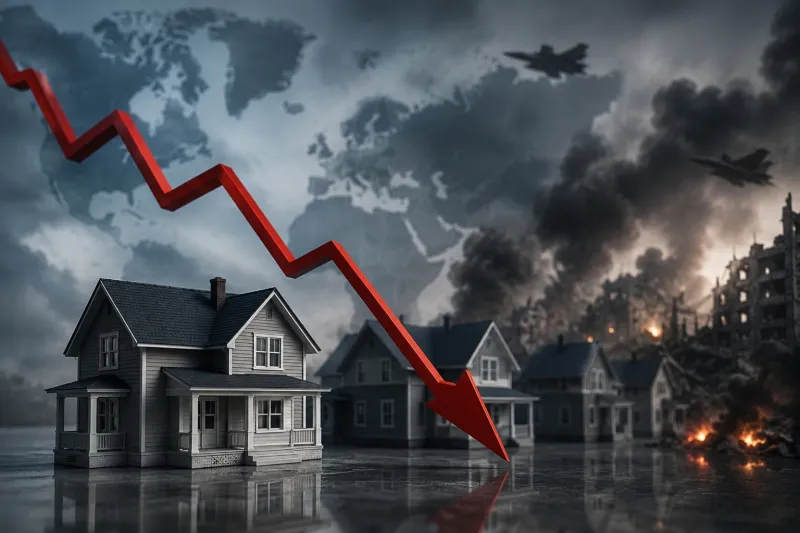
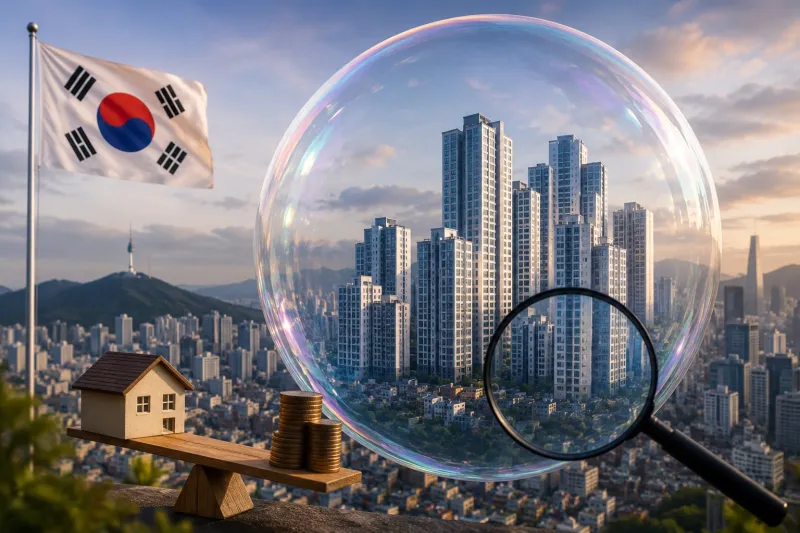
South Korea is stepping up efforts to prevent its housing market from overheating after President Lee Jae Myung warned that the country could be heading toward a property bubble reminiscent of Japan's real estate boom and subsequent collapse in the late 20th century. Rising home prices, increasing household debt, and speculative buying have prompted policymakers to closely monitor market conditions and consider additional stabilization measures.
The government's concerns come as housing prices in key metropolitan areas, particularly Seoul and surrounding regions, continue to outpace income growth. While demand remains strong due to limited housing supply and the concentration of the urban population, authorities fear that sustained price increases could create financial vulnerabilities for both households and the broader economy.
Household debt has emerged as a major focus for policymakers. South Korea already has one of the highest household debt-to-GDP ratios among advanced economies, with a significant portion tied to residential mortgages. Officials are concerned that further increases in borrowing could expose homeowners and financial institutions to greater risks if interest rates remain elevated or property values begin to decline.
President Lee referenced Japan's property bubble of the late 1980s as a cautionary example. Following years of rapid appreciation, Japan's real estate market collapsed, triggering decades of economic stagnation and financial instability. South Korean policymakers are aiming to avoid a similar outcome by intervening before speculative activity becomes entrenched.
The government is reportedly evaluating a range of policy options, including tighter mortgage lending standards, enhanced oversight of speculative transactions, and measures to improve housing affordability. Expanding residential supply, particularly in high-demand urban areas, also remains a long-term priority to help ease price pressures while supporting sustainable market growth.
Despite concerns over potential overheating, analysts note that South Korea's housing market continues to benefit from strong underlying demand, limited land availability in major cities, and ongoing urbanization. However, many agree that maintaining market stability will require a careful balance between supporting homeownership and preventing excessive speculation.
Real estate investors are expected to watch upcoming policy announcements closely, as any new lending restrictions or regulatory changes could influence transaction volumes, pricing trends, and investment sentiment in one of Asia's most closely watched property markets.
As economic uncertainty and global financial conditions continue to evolve, South Korea's proactive approach highlights the growing importance of managing housing affordability and financial stability. The government's next steps will likely play a critical role in determining whether the country's property market can sustain long-term growth while avoiding the risks associated with an unsustainable housing bubble.
Writer focused on delivering informative, accessible content